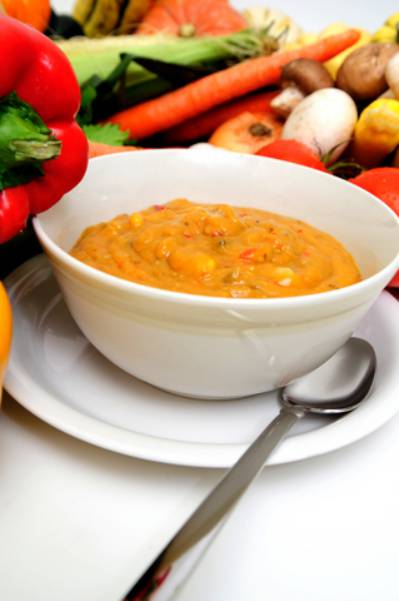
Carrot and Chestnut Soup
This post contains affiliate links. As an Amazon Associate I earn from qualifying purchases.
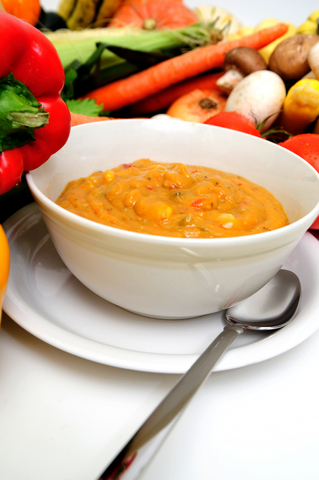
Carrot and chestnut soup has a lovely earthy sweetness, with onion, celery and herbs giving it a savory flavor. The chestnuts soften in the stock and blend into a thick soup, which I like to finish with a little cream. I find that thyme and a small pinch of ginger go well with the carrots, and adding a few spoonfuls of vegetables and chestnuts on top gives you something to bite into.
For me, a bowl of soup and some warm bread is a lunch worth sitting down for, especially once the weather gets cooler and you’re craving something cozy and comforting. Chestnuts make this one feel autumnal, so it fits nicely into a fall soup rotation with creamy butternut squash soup. Ready-cooked chestnuts are handy here. I use the ones you can get in sealed pouches or jars if fresh ones aren’t available.
Carrot and Chestnut Soup at a Glance
- Prep time: 15 minutes
- Cook time: About 30 minutes
- Total time: About 45 minutes with cooked, peeled chestnuts
- Servings: 4
- Soup style: Blended carrot and chestnut soup
- Main ingredients: Carrots, chestnuts, onion, celery and stock
- Best cooking method: Stovetop, then blend
- Storage: Refrigerate for 3 to 4 days; freeze before adding cream
Why You’ll Love This Carrot and Chestnut Soup
- A savory way to cook with chestnuts: Their mild, nutty flavor pairs well with sweet carrots and fresh herbs. I love sweet chestnut recipes too but this soup really showcases it as a savory ingredient.
- Cream is optional: Blending the cooked vegetables and chestnuts thickens the soup, so you can decide whether to add cream at the end. I usually fancy a dash in mine!
- Easy to serve for different meals: You can spoon it into small bowls for an appetizer or serve larger portions with bread for lunch. It’s surprisingly filling.
Ingredient Notes
- Carrots: Choose firm carrots and chop them into small, even pieces so they soften at roughly the same time. I always peel mine but you don’t have to, as long as you give them a good scrub.
- Chestnuts: Buy plain cooked, peeled chestnuts. Weigh out the edible chestnuts, with no shells or papery skins included. If you are preparing fresh chestnuts yourself, cook and peel them before starting the soup.
- Onion and celery: These give the stock a savory base. Slice the celery across the stalks to shorten the fibers before blending. Getting those celery fibers stuck in your teeth can be annoying!
- Stock: Chicken stock is my usual go-to for this soup. Vegetable stock works too; I recommend that you just choose one you enjoy drinking on its own, since its flavor’s going to be quite noticeable in the soup.
- Herbs and ginger: Fresh thyme, flat-leaf parsley and a bay leaf season the soup as it simmers. The ground ginger quantity is small, so don’t expect a strongly gingery soup.
- Cream: Light cream (single cream) is close to the original pouring cream. Heavy cream (double cream) also works for a richer finish.

Tips for a Smooth Soup
- Check the carrots before blending: A fork should slide through easily. Firm pieces won’t blend as smoothly, even if the chestnuts are already soft, and that means a lumpy soup (but not in a good way!)
- Remove the bay leaf and herb stalks: Do this before blending. Loose parsley and thyme leaves can stay in the pot but you don’t want to end up with dried bits of bay leaf in your teeth.
- Adjust the consistency at the end: Stir in a little water or stock if the blended soup is thicker than you want. Taste it again after adding liquid because you may need to add more salt and/or pepper.
- Use a blender suitable for hot liquids: An immersion blender is convenient for blending the pot. With a countertop blender, follow its hot-liquid instructions, work in small batches and allow steam to escape. Don’t ever try to blend hot soup in a sealed blender – it won’t end well!
Substitutions and Variations
- No cream: Leave out the optional cream and blend thoroughly. Taste before serving and adjust the salt and pepper. I find the soup good without it but I prefer it with. It’s just personal preference.
- Other veggies: You can swap the vegetables if you like. I often swap half the onion for the same amount of red bell pepper, but you can experiment with whatever’s lurking in the fridge, perhaps mushrooms, zucchini (courgette) or green beans.
- Vegan and dairy-free: Use vegetable stock, swap the butter for the same amount of olive oil and leave out the cream. This means you’d use two tablespoons of olive oil in total.
- Gluten-free: There’s no flour in the soup. Check the stock and packaged ingredients for gluten, and choose gluten-free bread if you’re planning to serve some on the side.
Handy Equipment
- Cuisinart Chef’s Classic 6-quart stockpot: A roomy pot with a lid for softening the vegetables and simmering the soup.
- KitchenAid variable speed immersion blender: Blend the soup directly in the pot, keeping the blade head submerged to reduce splashing.
- Victorinox Fibrox Pro chef’s knife: This is a beautiful knife for chopping your carrots, onion and celery. You’ll want to find more veggies to chop with this one!
- OXO Good Grips utility cutting board: A good all-round chopping board for preparing the vegetables and chopping the garnish.
What to Serve with Carrot and Chestnut Soup
Warm bread, buttered toast or crackers are all good with this soup. A grilled cheese sandwich makes it a heartier lunch, especially on a cold day. For an appetizer before a fall dinner, serve smaller portions and make sure to leave room for the main course.
How to Store
- Refrigerate: Divide leftovers into shallow containers and refrigerate within 2 hours of cooking. Keep at 40°F (4°C) or below and use within 3 to 4 days.
- Reheat: Heat only the portion you need, stirring often, until it reaches 165°F (74°C) throughout. A splash of water or stock will loosen soup that has thickened in the fridge.
- Freeze and thaw: For the best texture, freeze the soup before adding cream. Leave room in the container for expansion and aim to use it within 3 months. Thaw in the fridge before reheating. Soup frozen with cream may separate; whisk or blend it again if needed.
- Make ahead: Cook and blend the soup a day ahead, then chill promptly. Reheat thoroughly and add the optional cream before serving.

Carrot and Chestnut Soup FAQs
No. Water chestnuts are a different ingredient with a crisp texture. They won’t give the soup the flavor or consistency of cooked sweet chestnuts. If you do have a can of those to use up, my fried shrimp wontons with water chestnuts is an easy recipe with them!
Plain, unsweetened chestnut purée is a possible alternative to whole cooked chestnuts. Check the label carefully: sweetened chestnut spread or vanilla-flavored chestnut cream belongs in desserts. Purée may change the thickness, so you might find you need to adjust the liquid after blending.
The method and timing here are for the stovetop. A slow cooker would need a separate timing and liquid check, which I haven’t yet done, so it’s best to follow the stovetop instructions for this recipe.
Yes. Double the ingredients and use a pot with plenty of room for stirring. Bringing a larger batch to a simmer will take longer, so check that the carrots are tender before you blend it. Season to taste at the end.
Carrot and Chestnut Soup
Ingredients
- 10 ½ ounces (300g) carrots, peeled and chopped
- 10 ½ ounces (300g) cooked, peeled chestnuts, roughly chopped
- 1 onion, chopped
- 2 celery stalks, sliced
- 2 sprigs fresh flat-leaf parsley, plus extra chopped leaves for serving, optional
- 2 sprigs fresh thyme
- 1 bay leaf
- ⅛ teaspoon ground ginger
- 4 cups (950ml) chicken stock
- 1 tablespoon extra virgin olive oil
- 1 tablespoon (14g) butter
- ½ cup (120ml) light cream (single cream), optional
- Salt and black pepper, to taste
Equipment
- Large pot with lid
- Chef’s knife
- Cutting board
- Immersion blender or countertop blender suitable for hot liquids
- Measuring Cups and Spoons
- Kitchen scale
- Slotted spoon and ladle
Method
- Heat the olive oil and butter in a large pot over medium heat. Add the carrots, onion and celery. Cook for 4 to 5 minutes, stirring often, until the onion begins to soften.
- Add the parsley sprigs, thyme sprigs, bay leaf, ginger, cooked chestnuts and chicken stock. Bring to a simmer, cover and cook gently for about 20 minutes, or until the carrots are very tender. Stir occasionally and extend the simmering time if needed.
- Remove the bay leaf and herb stalks. Use a slotted spoon to reserve 2 tablespoons of the vegetables and chestnuts for serving.
- Take the pot off the heat and blend the remaining soup until smooth with an immersion blender. If using a countertop blender, follow its instructions for hot liquids, blend in small batches and return the soup to the pot.
- Stir in the cream, if using. Warm gently, stirring, until hot; avoid a hard boil after adding cream. If needed, loosen with a little water. Taste and season with salt and black pepper.
- Ladle into 4 bowls. Divide the reserved vegetables and chestnuts among them and scatter with the extra chopped parsley, if using.
Notes
- The chestnut weight is for cooked, peeled chestnuts. Fresh chestnuts need separate cooking and peeling time before you start this recipe.
- The 45-minute total is an estimate for prepared chestnuts. I use the tenderness of the carrots to judge when the soup is ready to blend.
- For a no-cream soup, omit the cream.
- For a vegan soup, use vegetable stock, replace the butter with 1 tablespoon of olive oil and omit the cream.
- Refrigerate leftovers promptly in shallow containers and use within 3 to 4 days. Reheat to 165°F (74°C) throughout. Freeze before adding cream for the best texture.
Soup for a Chilly Afternoon
Chestnuts deserve a place in the soup pot as well as the holiday stuffing. With carrots and herbs, they make a warming lunch for the first chilly days of fall. Put some bread on the table and serve the soup while it’s hot.
More Soup and Carrot Recipes
If you’re planning more autumn lunches, you might like my thick and creamy pumpkin soup or perhaps this pumpkin rice soup. This tasty British onion soup with cider and red beet soup are more options for cooler weather.
Browse my seafood chowder, traditional Cullen skink and seafood soup if you’re in a fish mood. There’s also extra spicy chicken soup if you fancy some heat, or chilled Lebanese cucumber soup for a different season. Got leftover carrots? Whip up a side of roasted rainbow carrots or gochujang carrots.