Spinach Potato Knishes: Jewish Potato Knish Recipe
This post contains affiliate links. As an Amazon Associate I earn from qualifying purchases.
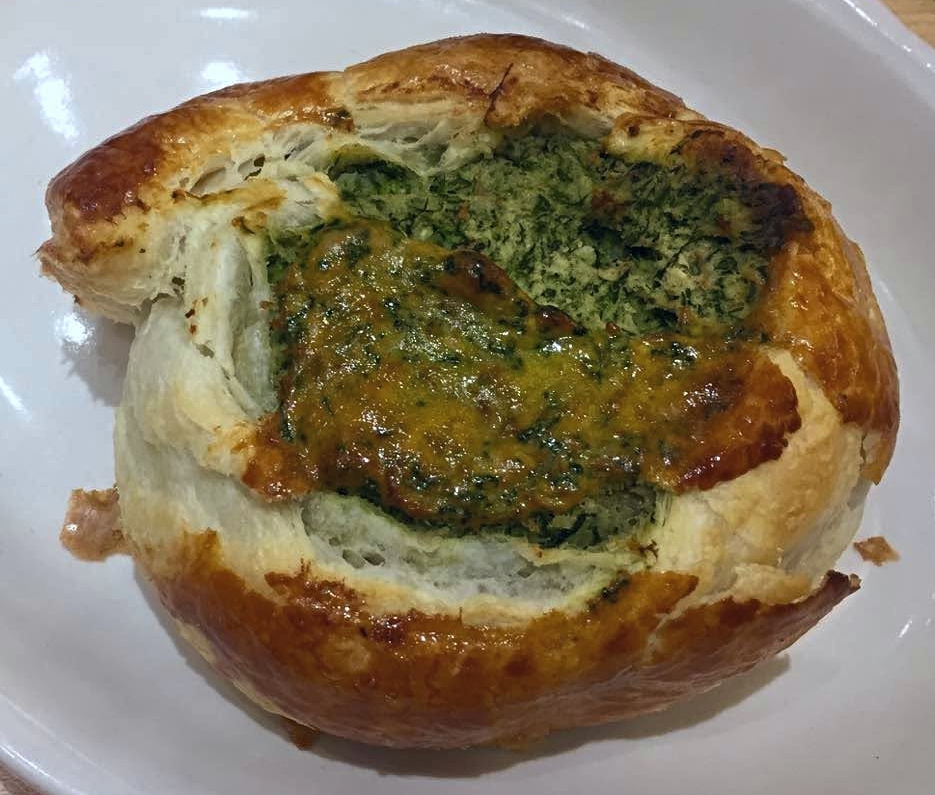
I first tried spinach potato knishes at Kenny & Ziggy’s with my friend Denise, in Houston, Texas. I’m British, so pastry-wrapped comfort food was hardly new to me. I grew up with pasties and have always liked savory pastries filled with meat, potatoes or vegetables. Knishes were new, though, and I loved them straight away!
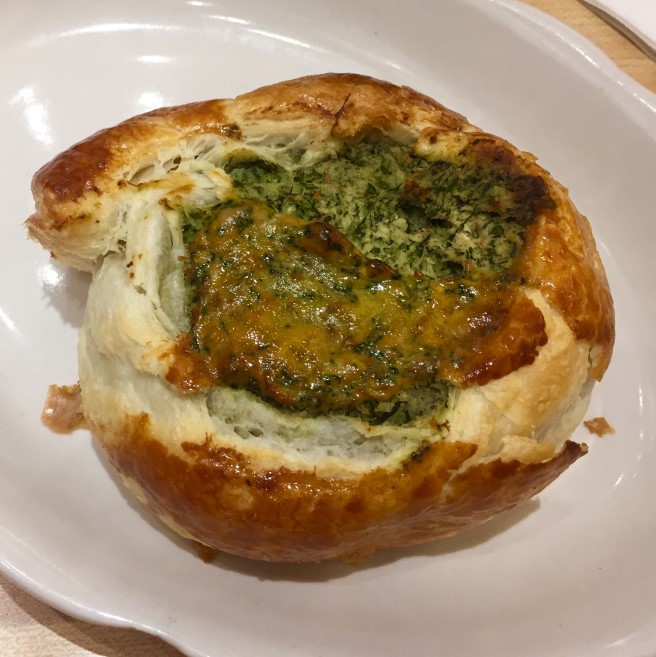
This potato knish recipe wraps a filling of russet potatoes, spinach, browned onions, garlic and a little cream in homemade dough. These individual knishes are baked until golden and served warm, preferably with spicy mustard. The filling’s soft and hearty, while the pastry gives each knish enough structure to pick up and eat by hand.
Spinach isn’t the most traditional knish filling, although it works especially well with potato. It’s still my favorite variety, and making them at home means you don’t need a nearby Jewish deli when the craving hits.
Spinach Potato Knishes at a Glance
- Prep time: 25 minutes
- Cook time: 1 hour 30 minutes
- Total time: 6 hours 35 minutes including inactive time
- Servings: 6 knishes
- Cuisine: Jewish
- Main ingredients: Russet potatoes, spinach, onions, flour and olive oil
- Best cooking method: Baking
- Storage: Refrigerate for up to 3 days or freeze baked knishes for up to 2 months
Why You’ll Love Them
- Generously filled: There’s plenty of potato, spinach, browned onion and garlic inside each one.
- Golden homemade pastry: Olive oil in the dough and brushed on during baking gives the knishes a well browned exterior. And the pastry isn’t hard to make.
- Soft, hearty filling: Russet potatoes, spinach and a little cream make a hearty filling that holds together well.
- Vegetarian: The recipe contains no meat, so it’s ideal if you want a savory vegetarian pastry.
- Six large knishes: These are substantial individual portions, not tiny appetizer-sized ones, so you can have one with a salad for lunch or if you want a filling snack.
Ingredient Notes
- Russet potatoes: Use medium russets and cook them in their skins. Once they’re cool enough to handle, the skins come away easily with the side of a spoon. Russets have plenty of starch, which makes them a good choice for the mashed filling.
- Frozen spinach: Thaw it completely, then squeeze out as much water as possible in a clean kitchen towel before chopping. Once I think it’s dry, I squeeze again and am always surprised how much more liquid comes out! Wet spinach can make the filling too loose.
- Yellow onions: Give these the full cooking time so they brown instead of simply softening. They account for a lot of the flavor in the potato mixture.
- Seltzer water: This makes the dough really light.
- Apple cider vinegar: You only need a couple of teaspoons.
- Heavy cream: Warm the cream before mashing it into the potatoes. I find this blends it in more smoothly.
- Extra-virgin olive oil: I used this in the dough, in the filling and for brushing the knishes during baking.
How to Make Potato Knishes with Spinach
Make the dough first and chill it for at least a couple of hours. While it chills, cook and peel the potatoes, squeeze the spinach dry and cook it with browned onions and garlic. Mash the potatoes with cream and olive oil, then mix in the spinach.
Let the chilled dough soften at room temperature, roll it into a large rectangle and add the filling in a long log. Roll the dough around the filling, divide it into six knishes and set them cut-side up on a baking sheet. Bake until golden, brushing them with olive oil partway through. Serve warm with mustard on the side.
What is a Knish?
A knish is a filled dough pastry associated particularly with Ashkenazi Jewish cooking. Potato is probably the best-known filling, although kasha, onions, meat, cheese, cabbage and other vegetables also appear in traditional and modern knish recipes. Knishes can be baked or fried and come in round, square and rectangular shapes.
If you’re familiar with Cornish pasties, empanadas, pirozhki or samosas, the basic idea of dough surrounding a savory filling won’t sound unusual. There are similar filled snacks in plenty of other cuisines too, including Finnish beef pasties, beef and potato rissoles and Malaysian curry puffs. The dough, filling and shaping make each of these foods quite different once you actually eat them.
The History of Knishes in America
Knishes came to the United States with Eastern European Jewish immigrants around the end of the 19th century and beginning of the 20th. They became especially closely associated with New York, where filling, inexpensive knishes were sold from pushcarts and bakeries on the Lower East Side.
The English word comes from Yiddish knish, which in turn comes from the Polish knysz. Yonah Schimmel’s famous knish bakery opened on East Houston Street in 1910 and remains one of the best-known names associated with New York knishes.
Knish Fillings, Shapes and Cooking Styles
Potato and onion is one of the classic combinations, while kasha or buckwheat groats, sauerkraut, cheese and meat are other long-established fillings. Spinach, sweet potato, broccoli and mushrooms are among the newer possibilities.
Those fillings aren’t necessarily direct substitutions for the spinach mixture in this recipe because their moisture levels and quantities differ.
Knishes can have their filling completely enclosed or leave some of it exposed at the top. They can also range from bite-sized pastries to large individual portions. Mushroom fillings are another option in some knish recipes. If you’ve come here because you’re looking for mushroom ideas too, chicken of the woods is actually a mushroom despite its unusual name.
If spinach is the part that appeals to you most, my spanakopita is another pastry recipe filled with spinach, while this cream of spinach soup is another tasty option.
Tips for the Best Potato Knishes
- Squeeze the spinach thoroughly: Keep wringing the towel until very little liquid comes out. This is one of the most important steps for a filling that holds together.
- Season the potatoes well: There’s a lot of potato in each knish, so taste the finished filling and adjust the salt and black pepper before assembling them.
- Give the dough time: Don’t try to roll it straight from the refrigerator. Wait until it’s pliable enough to stretch without fighting you.
- Use the parchment: I find that rolling the dough on parchment makes it much easier to form the filled log without it tearing.
- Brush away excess flour: Remove loose flour as you roll the dough around the filling so it doesn’t interfere with the seal.
- Check every seal: Pinch the seam and both ends securely before dividing the log into individual knishes.
Substitutions and Variations
- Yukon Gold potatoes: You can replace the russets by weight. The mash will have a slightly different texture because Yukon Golds contain less starch.
- Dairy-free: An unsweetened nondairy cooking cream can replace the heavy cream if you need to avoid dairy.
- Different oil: A neutral cooking oil can replace the olive oil if necessary, although you’ll lose some of the olive oil flavor.
- Puff pastry: Some shortcut potato knish recipes use store-bought puff pastry. It will give you a different pastry from the homemade knish dough used here.
- Other fillings: Kasha, cheese, sauerkraut, mushroom and meat knishes are all worth exploring, though they need their own filling formulas rather than a simple ingredient swap.

Equipment
- Food processor: This makes the knish dough quickly and helps distribute the olive oil evenly through the flour before you add the seltzer mixture. Pulse rather than running it continuously so you don’t overwork the dough.
- Large saucepan: Choose one large enough to hold the potatoes comfortably under the water. Cooking the potatoes whole in their skins helps stop them from absorbing too much water.
- Large skillet: You’ll need plenty of surface area for browning the onions before adding the garlic and spinach. A crowded pan makes the onions take longer to brown.
- Potato masher: Mash the potatoes fairly coarsely rather than making them completely smooth. A little texture works well in the knish filling.
- Rolling pin: The dough needs to be rolled into a large, thin rectangle before you add the filling. Let it come back toward room temperature first so it’s easier to roll and stretch.
- Parchment paper: Roll the dough directly on parchment so you can use the paper to help lift and roll it around the filling without tearing it.
- Baking sheet: Use a large sheet with enough room to space all 6 knishes apart. They need some space around them for even browning.
- Pastry brush: You’ll brush the knishes generously with olive oil partway through baking. A silicone brush makes it easy to coat the tops and sides without damaging the pastry.
What to Serve with Potato Knishes
Spicy brown mustard is the classic choice here and it’s what I like with these. Horseradish or sour cream also works well. For lunch, add a crisp green salad, pickles or a bowl of soup. Knishes can also be served as part of a larger spread with other deli-style foods.
How to Store
- Refrigerate: Let leftover knishes cool, then keep them in an airtight container in the refrigerator for up to 3 days.
- Reheat: Warm them in a 350°F (175°C) oven for about 15 to 20 minutes, until hot. I tried using the microwave too, but it made the knish a bit soggy.
- Freeze: Cool baked knishes completely, wrap them well and freeze for up to 2 months. Thaw overnight in the refrigerator before reheating.
- Make ahead: The filling can be prepared in advance and refrigerated. The dough can also chill overnight instead of for only 2 hours. Let refrigerated dough sit at room temperature until pliable before rolling.

Spinach Potato Knish FAQs
Knish is pronounced kuh-NISH, with the K sounded. The plural knishes is pronounced kuh-NISH-es.
A knish is a filled dough pastry that is commonly baked or fried. Pierogi are filled dumplings that are boiled first and can then be pan-fried. Both originated in Eastern European cooking, although the dough, shaping and cooking methods are different.
These spinach potato knishes are vegetarian. They contain heavy cream, so they are not dairy-free or vegan as written. Some knish recipes contain meat while others use only potato, vegetables, cheese or kasha.
No. The heavy cream makes this a dairy recipe. If you need a pareve knish, use an appropriate nondairy cream and make sure every ingredient meets your own kosher requirements.
Not this one. The homemade dough is made with flour, olive oil, cold seltzer, apple cider vinegar and salt, so there is no yeast or rising stage.
Yes. Knishes can be eaten warm or at room temperature, although I prefer these warm because the pastry is better after reheating in the oven.
Why Spinach is Still My Favorite Knish Filling
Ever since I first discovered knishes in Houston, spinach potato is still the combination I’d choose. The potatoes make the filling hearty, and the spinach, browned onions and garlic give it so much flavor. Add a spoonful of spicy mustard and these are seriously good!
If filled dough recipes are your thing, try my potato pierogi next.
Spinach Potato Knishes
Ingredients
- 1 ½ cups (185g) all-purpose flour (plain flour), plus more for dusting
- 3 tablespoons extra-virgin olive oil, plus more for brushing
- ¼ cup plus 2 tablespoons (90ml) cold seltzer water
- 2 teaspoons apple cider vinegar
- 1 teaspoon kosher salt
- Freshly ground black pepper, as needed
- 1 ½ pounds (680g) medium russet potatoes, about 3
- Kosher salt and freshly ground black pepper, as needed
- 16 ounces (450g) frozen whole-leaf or cut-leaf spinach, thawed
- 4 tablespoons extra-virgin olive oil, plus more for brushing
- 2 medium yellow onions, finely diced
- 4 garlic cloves, minced
- ¼ cup (60ml) heavy cream, warmed
- Spicy mustard, to serve
Equipment
- Food processor
- Large saucepan
- Large skillet
- Clean kitchen towel
- Potato masher
- Rolling Pin
- Parchment paper
- Baking sheet
- Pastry brush
- Sharp knife
- Wooden spoon
Method
- Add the flour to a food processor. Pulse while slowly pouring the 3 tablespoons of olive oil through the feed tube. Scrape down the bowl and pulse again.
- Combine the cold seltzer and apple cider vinegar in a measuring cup. Stir in 1 teaspoon kosher salt until dissolved. With the food processor running in pulses, pour the liquid into the flour mixture over about 20 to 30 seconds.
- Tip the dough onto a lightly floured surface and knead for about 1 minute, until smooth. Flatten it into a disk, wrap tightly in plastic wrap and refrigerate for at least 2 hours.
- Put the unpeeled potatoes in a saucepan and cover them with water. Season the water generously with salt. Bring to a boil, then reduce the heat and simmer for 35 to 40 minutes, until a fork slides easily into the center. Drain and let them cool until you can handle them.
- Put the thawed spinach in a clean kitchen towel and squeeze out as much liquid as possible. Roughly chop the drained spinach.
- Heat 3 tablespoons of the olive oil in a large skillet over medium heat. Add the onions with ¼ teaspoon salt and ¼ teaspoon black pepper. Cook for about 15 minutes, stirring occasionally, until browned. Add the garlic and cook for another 2 minutes.
- Add the spinach, ½ teaspoon salt and ¼ teaspoon black pepper. Stir well, then remove the skillet from the heat.
- Take the dough from the refrigerator and leave it at room temperature for 30 to 45 minutes, until pliable.
- Peel the cooled potatoes using the side of a spoon and add them to a large bowl. Add the warmed cream and remaining 1 tablespoon olive oil. Mash coarsely, then fold in the spinach mixture. Taste and add more salt or black pepper if needed.
- Position an oven rack in the middle and preheat the oven to 375°F (190°C). Lightly brush a baking sheet with olive oil.
- Set the dough on a floured sheet of parchment paper and dust the top lightly with flour. Stretch it into a 6 x 8-inch (15 x 20cm) rectangle, then use a rolling pin to make a 12 x 18-inch (30 x 46cm) rectangle.
- Arrange the filling in a compact log about 14 x 2 inches (36 x 5cm), leaving a 2-inch (5cm) border along the edge nearest you and at both ends.
- Use the parchment paper to help roll the dough tightly around the filling. Brush away excess flour as you work and gently stretch the dough where needed.
- Pinch the center seam closed and set the roll seam-side down. Twist and seal each end, then pinch off any excess dough.
- Use the handle of a wooden spoon to press the log into 3 equal sections. Slice at the indentations and check that the ends are securely sealed.
- Cut each of the 3 sections in half crosswise to make 6 knishes. Arrange them cut-side up on the baking sheet, about 2 inches (5cm) apart. Press each one gently into a disk about 1 ½ inches (4cm) thick.
- Bake for 30 minutes. Brush the knishes generously with olive oil, then bake for another 25 to 35 minutes, until golden.
- Let them cool slightly and serve warm with spicy mustard.
Notes
- Squeeze the thawed spinach very thoroughly before adding it to the filling.
- The potatoes are cooked in their skins and peeled after cooking.
- Cut the 3 filled sections crosswise, not lengthwise, to make the 6 individual knishes.
- The dough needs at least 2 hours in the refrigerator and another 30 to 45 minutes at room temperature before rolling.
- Serve the knishes warm with spicy brown mustard.