How to Cook Mussels
This post contains affiliate links. As an Amazon Associate I earn from qualifying purchases.
Once you know how to cook mussels, most of the work is checking and cleaning them before they go into the pan. Live mussels need a quick rinse under cold running water, a scrub if the shells are dirty and the beards pulled away. After that, they only need a few minutes to cook.
I usually steam mussels with white wine, shallot and parsley. It’s the method I choose most often because the cooking liquid is so good with crusty bread and the mussels don’t need much added. This guide covers choosing and cleaning live mussels, cooking time, storage, cooking them without wine and what to do with shells that don’t open.
How to Cook Mussels at a Glance
- Prep time: 15 minutes
- Cook time: 5 minutes
- Total time: 20 minutes
- Servings: 4
- Main ingredients: Fresh mussels, white wine, shallot and parsley
- Basic cooking method: Steam in a covered pot
- How to tell they’re cooked: The shells open
- Storage: Keep live mussels refrigerated and never submerged in water
Why Mussels are Easy to Cook
- Cooking is quick: Once steam builds in the covered pan, the mussels only need about 3 or 4 minutes.
- You don’t need much liquid: The mussels release their own juices as they cook, so a small splash of white wine or another liquid is enough.
- The shells help you judge doneness: They open during cooking, which makes it easy to see when the mussels are ready.
How to Choose Fresh Mussels
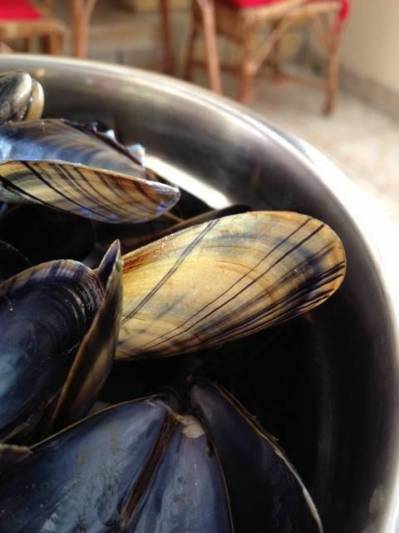
Look for mussels with intact shells. Closed shells are what you want, although one that is slightly open may still be alive. Give it a firm tap and it should close. I recommend that you discard any mussels with cracked shells or any open ones that don’t respond when tapped.
Fresh shellfish should smell clean and briny rather than sour or strongly fishy. If you’re buying live mussels in a bag or container, check any date or storage information from the supplier as well.
When mussels die they rot quickly, so if the shell doesn’t close it’s not work the risk to eat it. Sometimes I come across a heavy mussel and that can be because the mussel inside died and the shell is full of sand or similar.
Collecting Wild Mussels
If you collect your own mussels, don’t judge their safety by how clean the water looks. Check current shellfish harvesting advice and closures for the exact area first. Shellfish can contain marine toxins that aren’t removed by normal cooking, so only collect them where harvesting is officially considered safe.
How to Clean Mussels
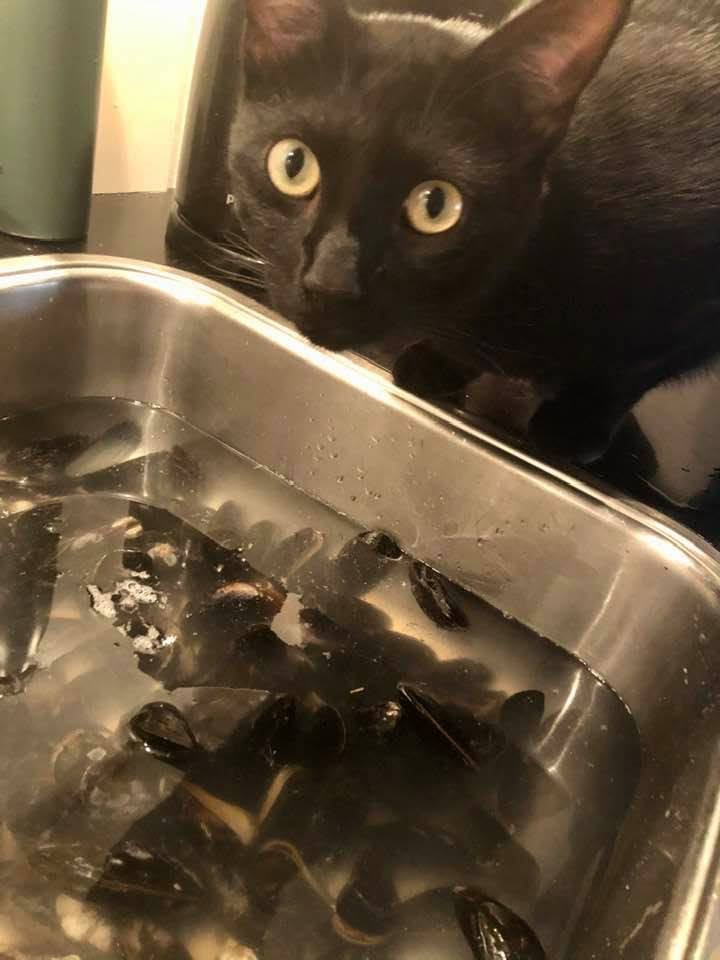
You can rinse the mussels under cold running water or soak them in cold water in a sink for up to 10 minutes. Scrub off dirt or debris from the shells and use a small knife if there are stubborn bits attached. Pull away the fibrous beards that protrude from between the shells.
Check the mussels again while you’re cleaning them. Throw away any with broken shells and tap any that are open to make sure they close.
How to Cook Mussels on the Stove
Use a large pot with a tight-fitting lid and leave enough room for the mussels to move as the pan is shaken. The existing recipe fills the pot no more than halfway.
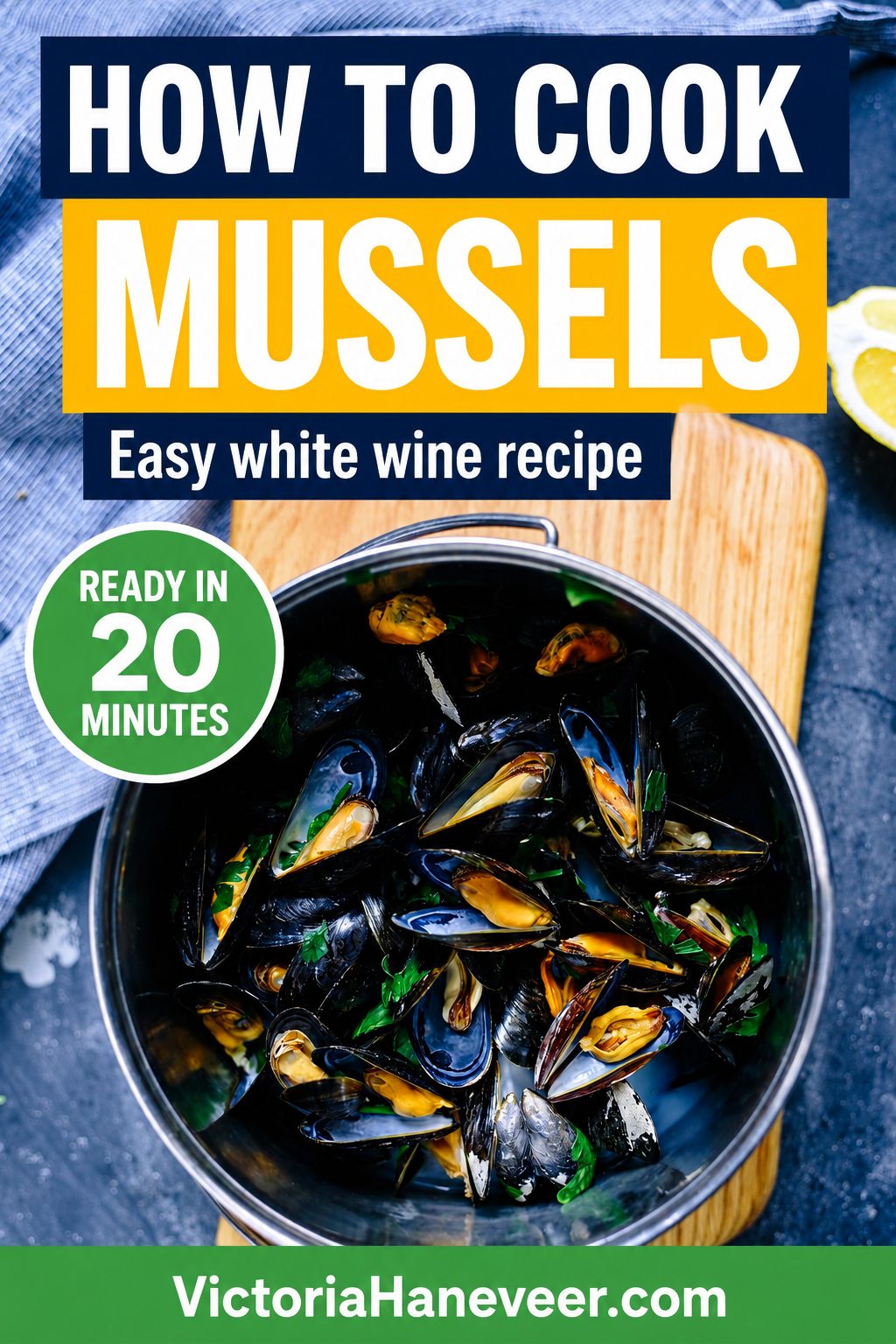
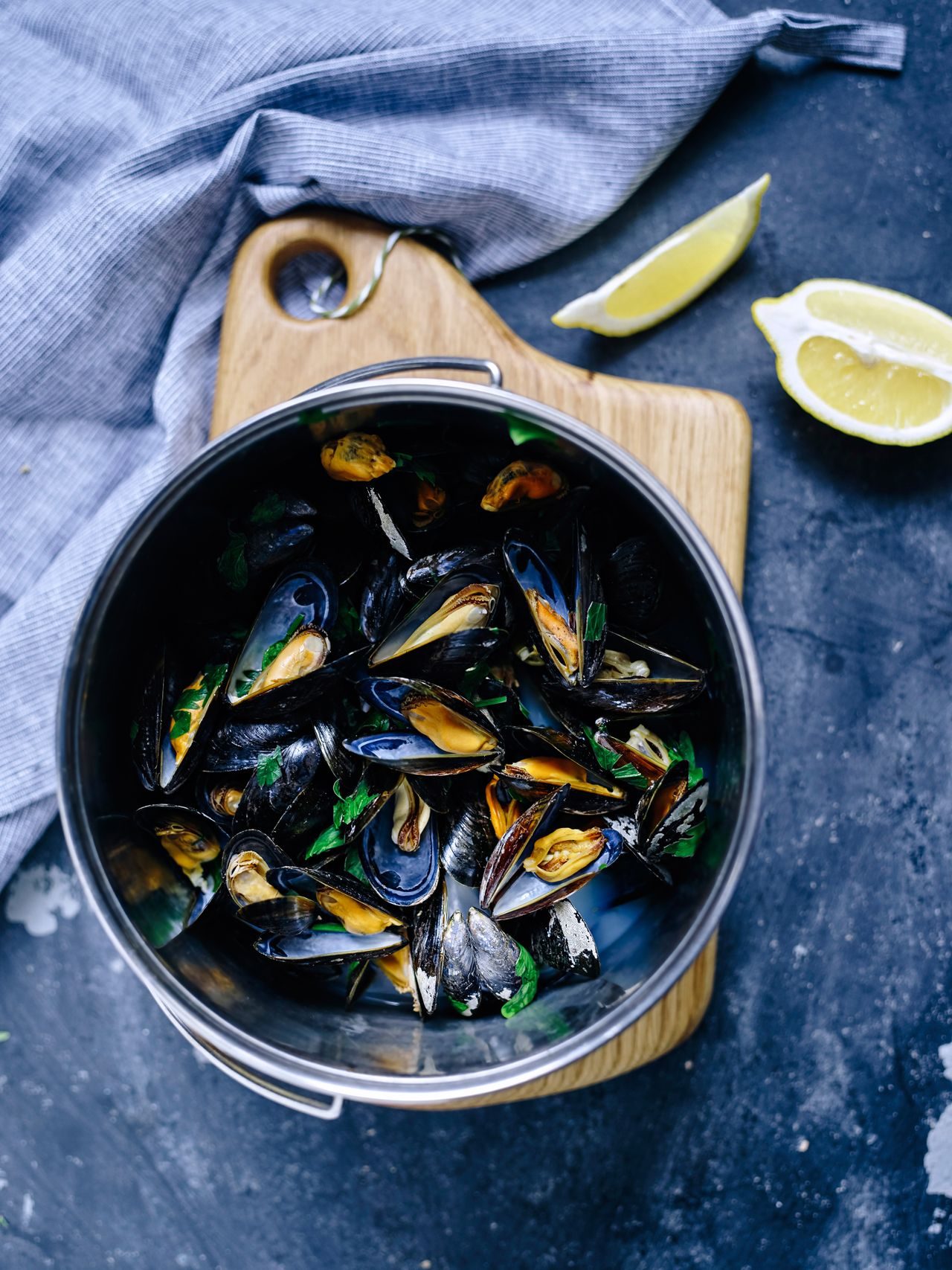
Add the mussels with the chopped shallot and white wine, cover the pot and set it over high heat. Once steam builds inside, shake the covered pan once or twice during cooking. The mussels release liquid of their own, which combines with the wine to make the broth in the bottom of the pan.
How Long Do You Cook Mussels?
I give mine about 3 to 4 minutes once the covered pot starts steaming. Check them rather than waiting indefinitely for every shell to open. Mussels can get chewy if they cook for too long and when most are open, they’re done.
Take the pan off the heat and discard any that are still closed. Add the parsley just before serving so it doesn’t wilt.
What Liquid Can You Cook Mussels In?
Dry white wine is my usual choice and works especially well with shallot, garlic and parsley. You don’t need a lot of it because the liquid’s there to create steam rather than boil the shellfish.
Vermouth is another possibility if you like its herbal flavor, or even beer. You could also change the seasoning completely with ginger, coconut milk, lemongrass and chili. I’ve had mussels in curry sauce in the Netherlands and other variations, although my lemon and white wine version is my favorite.
How to Cook Mussels without Wine
You don’t need wine to steam mussels. Fish stock, chicken broth or water can replace it. Use enough to create steam and provide some liquid for serving rather than filling the pot.

Other Ways to Cook Mussels
Steaming isn’t the only way I cook them. My grilled mussels recipe cooks the mussels in foil packets on the grill with garlic, butter, parsley and white wine. The packets trap the steam while the mussels cook, so it’s quite different from putting them directly onto the grill grates.
For something completely different, try these Catalan mussels. The mussels are cooked and removed from their shells, then combined with cherry tomatoes, onion, basil, lemon, red wine vinegar and olive oil. They’re chilled before serving and there’s an optional chorizo variation too.
Mussels can also be added to dishes such as paella or seafood platters once you know how to prepare and cook them safely.
What to Serve with Mussels
Crusty bread is my first choice with steamed mussels because you can use it for the white wine and shellfish juices in the bowl. Regular fries or sweet potato fries are another classic choice, especially if you want to make the mussels the main meal.
A simple garden salad also works if you want something lighter on the side. In the Netherlands, they usually serve them with a trio of dips, a sweet mustard type sauce, a sauce a bit like thousand island and an aioli style sauce.
Make sure there are napkins on the table, as the dish can be messy, and don’t forget the bowl for those empty mussel shells.
How to Store Mussels
- Before cooking: Keep live mussels refrigerated and allow some airflow around them. A damp towel over the container helps keep them humid. Don’t store live mussels submerged in water and don’t seal them into an airtight container. Cook them as soon as practical after buying them.
- Cooked mussels: Refrigerate leftovers promptly in a covered container and use them within 3 to 4 days. Reheat cooked leftovers until they reach 165°F (74°C).
- Freezing: You can freeze mussel meat after removing it from the shells, although the texture can be softer once thawed. For this particular white wine recipe, I’d usually make enough to eat fresh rather than planning on freezing it.
- Make ahead: Chop the shallot and parsley earlier if needed. Clean and check the live mussels shortly before you plan to cook them.
How to Cook Mussels FAQs
Yes, although check the package first because frozen mussels may be raw or already cooked. Follow the package directions for cooking or reheating rather than treating every frozen product like fresh live mussels.
They were probably cooked for too long. Mussels cook very quickly, so start checking them after about 3 or 4 minutes of steaming and take the pot off the heat once the shells have opened.
It’s not compulsory. A large saucepan or stockpot with a tightly fitting lid is fine. The important thing is leaving enough room in the pot for steam to circulate rather than packing it completely full.
Taste the cooking liquid before adding salt. Mussels release naturally salty liquid while they cook, so you may find the broth already has enough seasoning.
No. Discard mussels that remain closed after cooking rather than forcing the shells open and eating them.
Once You Know How to Cook Mussels
I recommend starting off with the basic steaming method if you’re new to cooking mussels because it shows you how quickly mussels cook and what to look for as the shells open. If you’re exploring more shellfish, you can also learn how to pan sear scallops or how to cook winkles.
How to Steam Mussels in White Wine
Ingredients
- 2 pounds (1kg) live mussels, in shells
- 1 shallot, finely chopped, or ½ onion, finely chopped
- ½ cup (120ml) dry white wine
- 2 garlic cloves, finely chopped, optional
- chopped fresh parsley (or dill weed)
Equipment
- Large heavy pot or stockpot with a tight-fitting lid
- Colander
- Small knife or clean shellfish brush
- Cutting board
- Chef’s knife
- Wooden spoon
- Serving bowls
Method
- Rinse the mussels under cold running water. Scrub the shells and pull off any beards.
- Discard mussels with cracked or broken shells. Tap any that are open and discard them if they don’t close.
- Put the mussels in a large pot and add the shallot, white wine and garlic, if using.
- Cover tightly and set the pot over high heat.
- Once steam builds, cook for 3 to 4 minutes, shaking the covered pot once or twice.
- Check the mussels and remove the pot from the heat once the shells have opened.
- Sprinkle over the parsley.
- Spoon the mussels into warm bowls and pour the cooking juices over them.
- Serve immediately with crusty bread if liked.
Notes
- Don’t soak or store live mussels in fresh water.
- Refrigerate cooked leftovers promptly and use within 3 to 4 days. Reheat to 165°F (74°C).