Sesame Prawn Toast Recipe (Chinese Shrimp Toast)
This post contains affiliate links. As an Amazon Associate I earn from qualifying purchases.
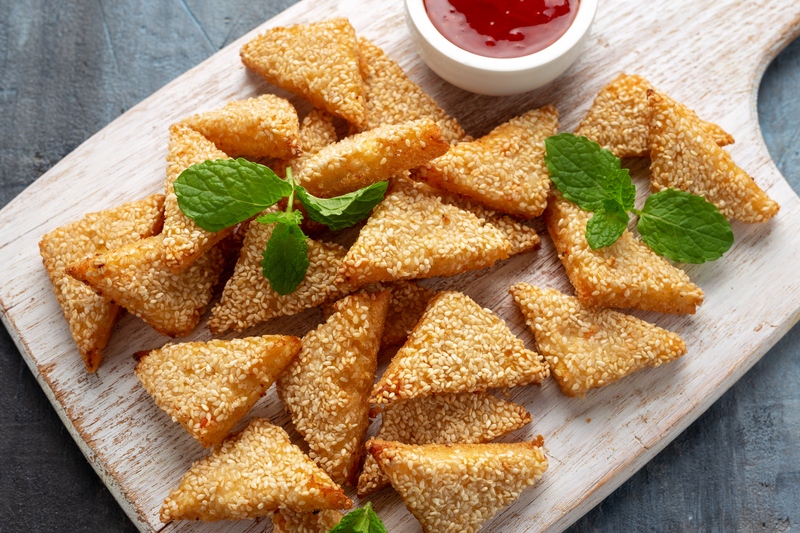
Sesame prawn toast, which is usually called shrimp toast in the US, starts with a seasoned prawn mixture spread over white bread. A coating of sesame seeds covers the prawn side before the small triangles go into hot oil and fry until crisp and golden You may recognize it from Chinese takeaway menus in Britain or Chinese restaurant appetizer menus in the US.
Freshly fried prawn toast is so much better than pieces left under buffet heaters. The bread has a crisp bite, the prawn layer is tender and water chestnuts add little bits of crunch. I like it served hot with sweet chili sauce or fresh plum sauce for dipping.
Sesame Prawn Toast at a Glance
- Prep time: 20 minutes
- Cook time: About 12 minutes
- Total time: 32 minutes
- Servings: 8 people
- Cuisine: Hong Kong Chinese
- Main ingredients: Prawns, white bread, sesame seeds and water chestnuts
- Best cooking method: Deep frying in batches
- Storage: Refrigerate cooked toast for up to 1 day and reheat in the oven
Why This Prawn Toast Recipe is Worth Making
- A generous prawn layer: Each piece carries the seafood mixture right to the edges.
- More texture: Water chestnuts add little crisp pieces to the tender prawn paste.
- Made for sharing: You get 32 small pieces, which is enough to feed 8 people as an appetizer.
- Familiar on both sides of the Atlantic: British readers know it as prawn toast while US readers usually call it shrimp toast.
What is Prawn Toast?
Prawn toast consists of white bread topped with a paste of minced raw prawns and seasonings, then fried until the bread is crisp and the seafood has cooked through. The sesame-coated form is especially familiar in Britain, Ireland and Australia. American Chinese menus usually list the dish as shrimp toast.
The dish is often traced to Hong Kong or nearby Guangzhou and is associated with Cantonese cooking. It combines a Chinese-style prawn paste with Western sandwich bread, so it’s better described as an early fusion dish than an ancient Chinese recipe. The Cantonese name haa dō si combines the word for prawn with a loan word based on “toast.”
Sesame Shrimp Toast Ingredients
- Raw prawns (shrimp): Buy peeled and deveined raw prawns. Frozen prawns are fine once thawed in the fridge and dried thoroughly.
- White bread: Soft sandwich bread gives prawn toast its familiar takeaway texture. I find that slightly dry bread is easier to spread with the paste than very fresh bread.
- Water chestnuts: These keep a little crunch after frying. Make sure you drain them well so they don’t add extra moisture to the filling.
- Onion and green onion: Yellow onion goes into the minced mixture while green onion (aka spring onion) adds a fresher onion flavor.
- Egg and cornstarch (cornflour): These bind the prawn paste and help it cling to the bread.
- Sesame oil and seeds: A few drops of sesame oil season the filling. The seeds are for the nutty outer coating.
- Frying oil: Choose a neutral oil with a high smoke point, such as vegetable, peanut or sunflower oil.
How to Make Prawn Toast
Pulse the prawns, yellow onion and water chestnuts until finely minced, then mix in the green onion, egg, cornstarch and seasonings. Cut the bread into small triangles and spread the mixture right to the edges.
Press the prawn side into sesame seeds, then fry in batches with the prawn side facing down first. Flip each piece once and drain it as soon as both sides are golden.

Tips for Crisp Prawn Toast
- Dry the prawns: Excess water loosens the paste and may cause the hot oil to spit. I put a couple of paper towels down, space out the prawns on top, put another couple of paper towels on top and press down. Then I flip and replace the paper towels on top with new ones, repeating if necessary.
- Don’t liquefy the mixture: Use short pulses so the prawns form a sticky mince rather than a runny puree.
- Cover the bread to the edges: An even layer cooks at the same rate and holds to the bread more securely.
- Watch the oil temperature: Keep it around 375°F (190°C). Cooler oil soaks into the bread while overheated oil darkens the sesame seeds too quickly.
- Work in small batches: Crowding the pan lowers the oil temperature and makes the pieces harder to flip.
- Serve it promptly: Prawn toast has its best texture during the first few minutes after frying.
Equipment
A mini food processor makes quick work of the prawn paste, although a sharp chef’s knife also works. You’ll also need a deep, heavy pan or wok, a deep-fry thermometer, a spider strainer or slotted spoon and a wire rack or paper towels for draining.
Substitutions and Variations
- Sesame seeds: You can leave the sesame seeds off for plain prawn toast, or combine white and black sesame seeds for a mixed coating.
- Bread crusts: The crusts may remain on the bread if you prefer less waste.
- Onion swap: A finely chopped shallot can replace the yellow onion.
- Water chestnuts: Omit these if you don’t have any.
- Dietary tweaks: Gluten-free sandwich bread can replace ordinary white bread. Check the cornstarch and every packaged ingredient if you need the entire dish to be gluten-free. This recipe contains crustaceans, egg and sesame.
What to Serve with Chinese Prawn Toast
Sweet chili sauce, soy sauce and homemade fresh plum sauce all work as dips. For a larger appetizer selection, add my crispy chicken dim sum. The two recipes share the same batch-frying rhythm, so you can keep the finished pieces warm in a low oven while you finish the remaining batches.
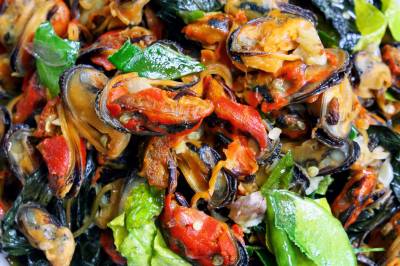
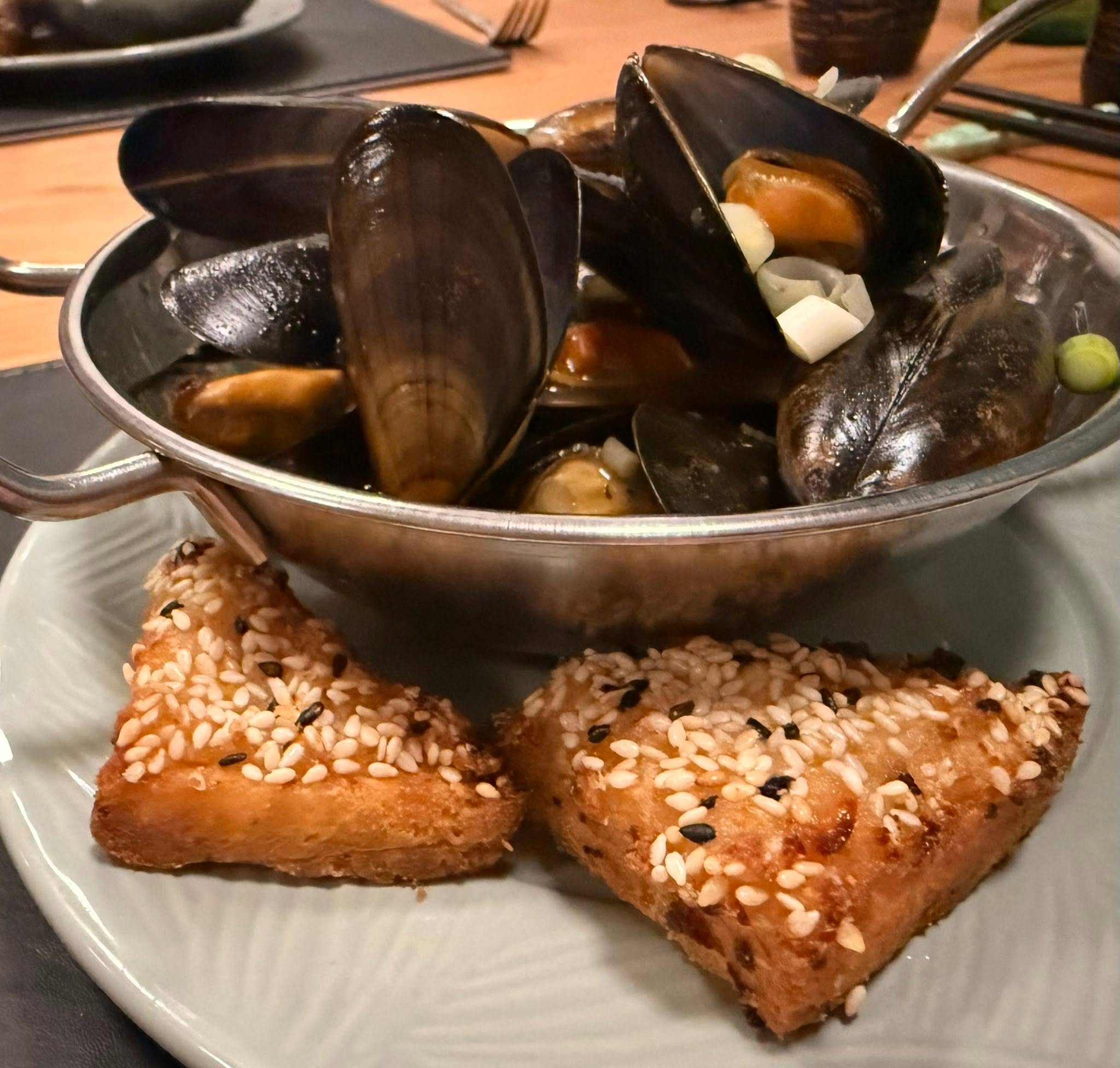
To make it part of a meal, follow the toast with Chinese egg fried rice or a lighter Chinese chicken salad. Or pair it with mussels, like my sister did recently!
How to Store
- Store: Prawn toast tastes best immediately after frying. Refrigerate leftovers within 2 hours in an airtight container and use them within 1 day.
- Reheat: Reheat them uncovered at 400°F (200°C) for 7 or 8 minutes, or until piping hot. The microwave softens the bread, so I wouldn’t use it here.
- Freeze: You can freeze the cooked and fully cooled pieces for up to 1 month, although they may lose a little crunch. Thaw them overnight in the refrigerator before reheating in the oven. If you want to work ahead, prepare the prawn mixture up to 4 hours before cooking and keep it covered in the refrigerator. Don’t spread it over the bread until you are ready to fry because the moisture will make the breast soft or mushy.
Prawn Toast FAQs
Yes. Prawn toast is the usual British name while shrimp toast is more common in the US. Sesame prawn toast refers to the version coated with sesame seeds.
Yes. Chop the raw prawns, onion and water chestnuts very finely with a sharp chef’s knife or cleaver. Mix firmly with the egg, cornstarch and seasonings until the filling feels sticky.
No. Raw prawns form the sticky paste that binds to the bread and they cook during frying. Precooked prawns won’t give you the same texture because they’re already cooked through. When I tried, they went a bit rubbery because they overcooked.
The filling should look opaque and feel firm rather than translucent or soft. If you check it with a food thermometer, the center should reach 145°F (63°C). I check if one is done before removing the whole batch from the hot oil.
Air-fryer prawn toast needs oil on both sides and timing developed specifically for that appliance. If I do try this recipe in an air fryer one day, I’ll let you know.
Try It with a Homemade Chinese Meal
Serve the prawn toast as soon as the final batch has drained, with the dipping sauce ready at the table. It’s quite a filling appetizer but I never have leftovers! For another seafood appetizer, try my smoked salmon mousse, or browse my other bread recipes for more ideas.
Sesame Prawn Toast (Chinese Shrimp Toast)
Ingredients
- 8 slices thick white sandwich bread, crusts removed
- ¾ pound (340g) raw peeled and deveined prawns (shrimp), patted dry
- ½ yellow onion, roughly chopped
- 2 or 3 water chestnuts, drained
- 1 green onion (spring onion), finely chopped
- 1 large egg, lightly beaten
- 1 tablespoon cornstarch
- Salt and freshly ground black pepper, to taste
- A few drops sesame oil
- ½ cup (70g) sesame seeds, plus more if needed
- 2 to 4 cups (500ml to 1 liter) neutral oil for deep frying, or enough for a depth of about 1 ½ inches (4cm)
- Sweet chili sauce, plum sauce or soy sauce, optional, for serving
Equipment
- Food processor or sharp chef’s knife
- Deep, heavy saucepan or wok
- Deep-fry thermometer
- Spider strainer or slotted spoon
- Wire rack or paper towels
Method
- Add the prawns, yellow onion and water chestnuts to a food processor. Pulse until finely minced and sticky, stopping before the mixture becomes runny.
- Transfer the mixture to a bowl. Add the green onion, egg, cornstarch, salt, black pepper and sesame oil, then mix until evenly combined.
- Cut each slice of bread diagonally in both directions to make 4 small triangles. You should have 32 pieces.
- Add the sesame seeds to a shallow dish. Spread a heaped teaspoon of prawn mixture over one side of each bread triangle, taking it right to the edges. Press the prawn side gently into the sesame seeds.
- Add the frying oil to a deep, heavy saucepan or wok. Heat it to 375°F (190°C).
- Working with 6 to 8 pieces at a time, add the toast to the hot oil with the prawn side facing down. Fry for 1 ½ to 2 minutes until the sesame seeds are golden, then flip and fry the bread side for another 30 to 60 seconds.
- Lift out the prawn toast with a spider strainer or slotted spoon. Drain it on a wire rack or paper towels. Check the prawn layer is opaque and firm. Its center should reach 145°F (63°C) if you test it with a food thermometer.
- Let the oil return to 375°F (190°C) before you add the next batch. Serve the prawn toast hot with your preferred dipping sauce.
Notes
- Use raw prawns, not precooked ones. Frozen raw prawns are fine if you thaw them in the fridge first and pat them thoroughly dry.
- Don’t assemble the toast early because moisture from the prawn mixture will make the bread mushy. You can prepare the filling up to 4 hours ahead and keep it covered in the refrigerator.
- Keep the oil around 375°F (190°C) and avoid crowding the pan. Oil that’s too cool makes the bread greasy because it soaks in before the bread’s crisp.
- Refrigerate leftovers within 2 hours and use them within 1 day. Reheat uncovered at 400°F (200°C) for 7 or 8 minutes, or until piping hot.