British Indian Food: History and Curry House Favorites
This post contains affiliate links. As an Amazon Associate I earn from qualifying purchases.
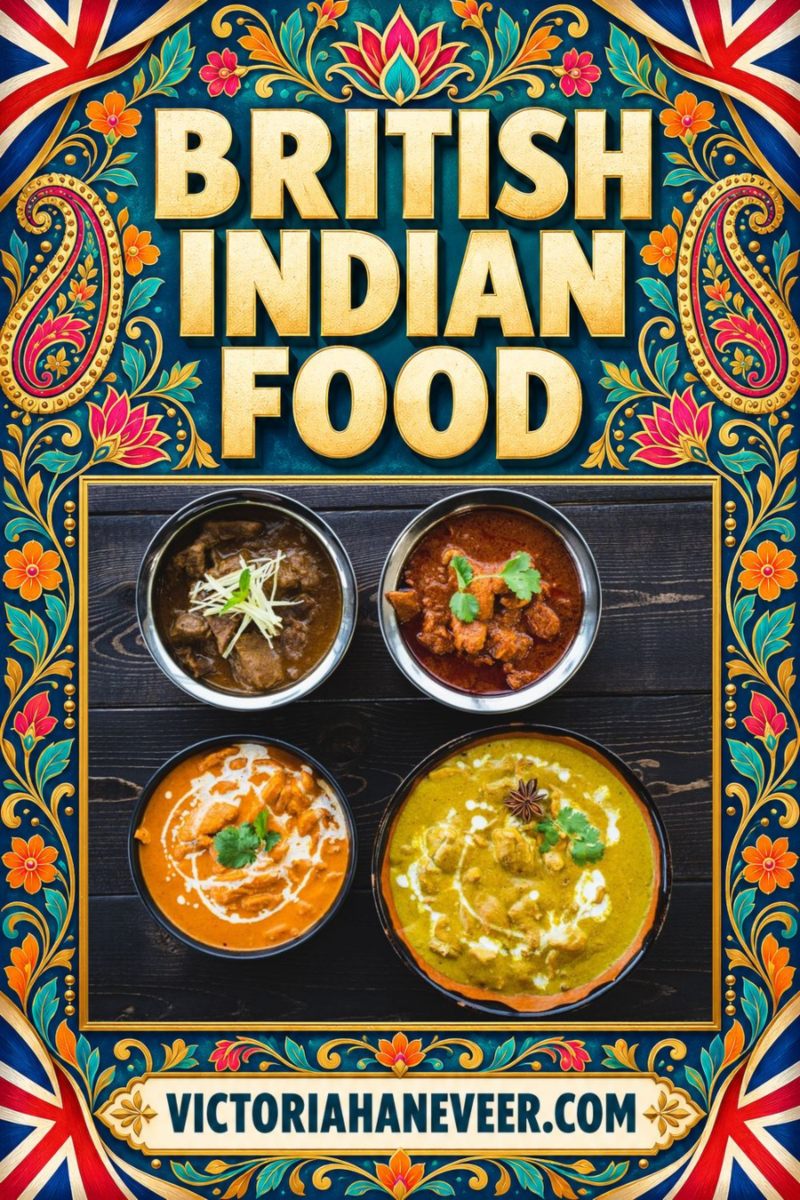
British Indian food covers much more than a Friday-night curry after an evening in the pub. Chicken tikka masala and familiar takeaway dishes are part of the story, but so are the older recipes that developed through contact between Britain and the Indian subcontinent. Those traditions overlap, although they don’t all share the same history.
A British curry house menu has a character of its own, shaped by South Asian cooks and the customers they cooked for. Understanding that background explains why a familiar korma or vindaloo can be quite different from a dish with the same name in India.
British Indian Food at a Glance
What is British Indian Cuisine?
People often use the term for the curries served in British Indian restaurants, sometimes shortened to BIR. These restaurants developed their own menus and cooking methods, including preparing sauces ahead so cooks could finish individual orders quickly. The food reflects South Asian cooking traditions, restaurant service and local preferences.
Anglo-Indian cooking has a different, older background in the colonial relationship between Britain and India. Kedgeree and mulligatawny commonly appear in discussions of that tradition. Treating all these foods as one category can hide the differences between colonial household cooking and the later curry house.
British Curry vs Indian Curry
India has many regional cuisines, so there isn’t one Indian curry to compare with a British version. A British restaurant’s creamy korma or very hot vindaloo represents a particular menu tradition. It doesn’t describe every dish with that name or the full range of food cooked in Indian homes.
In British restaurant cooking, a prepared base sauce can help a kitchen produce several curries to order. That doesn’t mean the dishes should all taste alike. The finishing spices and other ingredients still matter, as does the way the cook prepares each order.
I was reasonably au fait with curries before I traveled to India but can’t even compare the food here to the food I enjoyed there. My travels took me all over India, including Mumbai, Calcutta, Goa and Rajasthan, each area with their own fragrant and delicious dishes.
A Short History of Curry in Britain
Curry appeared in British cookbooks long before the modern takeaway. Hannah Glasse’s The Art of Cookery Made Plain and Easy included a curry recipe in its early editions. The Foods of England archive reproduces an early recipe, offering a glimpse of how British cooks interpreted Indian food.
Sake Dean Mahomed opened London’s Hindoostane Coffee House in 1810, offering Indian food and hookah smoking. He declared bankruptcy in 1812, but the restaurant continued under other owners until 1833, when it closed. The South Asian Britain history project documents that timeline.
Veeraswamy opened in 1926 and remains an important name in London’s Indian restaurant history. Chutney Mary is another well-known London restaurant serving Indian cuisine.
The Bangladeshi Contribution to Curry Houses
Bangladeshi cooks and restaurant owners merit a central place in this history. London’s Brick Lane is a familiar example: its Bangladeshi-owned restaurants and cafés helped establish the area’s identity as Banglatown. The Migration Museum’s Beyond Banglatown resource explores that relationship between food, migration and neighborhood life.
An “Indian restaurant” sign doesn’t necessarily tell you the owner’s nationality or the whole story behind the menu. Britain’s restaurant culture reflects contributions from several South Asian communities, including Bangladeshi entrepreneurs, whose work helped make curry houses a familiar part of British dining.
Familiar British Indian Dishes
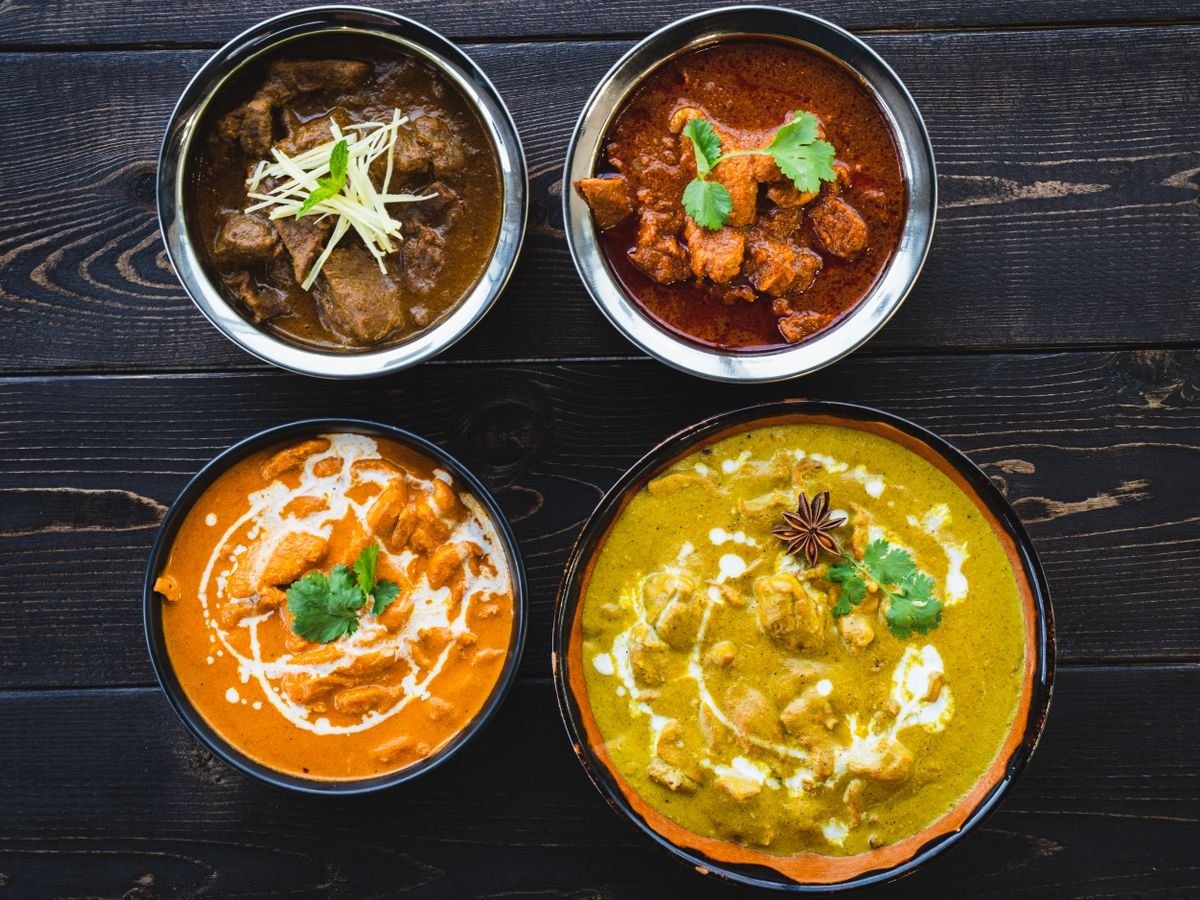
- Chicken tikka masala: Chicken in a spiced sauce commonly made with tomatoes and cream. Several people have claimed its invention, so its precise origin remains disputed.
- Korma: British curry houses often serve a mild, creamy version. Other korma traditions can differ considerably.
- Jalfrezi: A familiar curry house choice often made with peppers and onions.
- Vindaloo: British menus often emphasize its chili heat. Its Goan background also involves vinegar and garlic.
- Dhansak: A lentil-based curry whose British restaurant preparations can differ from the more elaborate Parsi dish.
Chef Alfred Prasad discusses these distinctions in his guide to British takeaway curries. The names are often the same, even when the restaurant preparation differs from an older regional recipe.
Why You’ll Love It
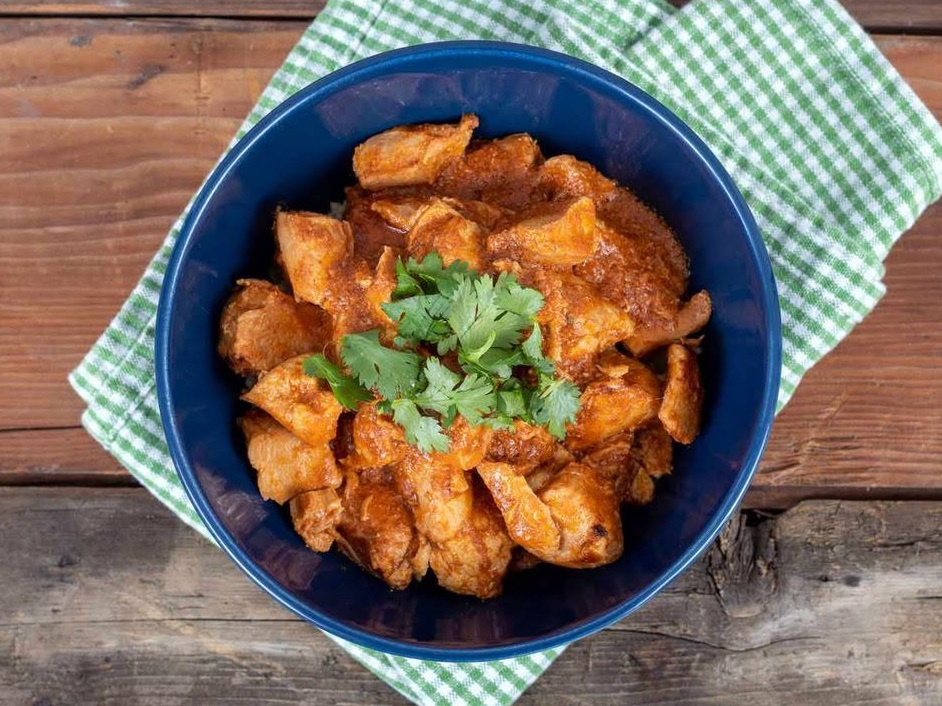
The chicken tikka masala recipe below is an easy stovetop interpretation made with prepared spice paste. The chicken cooks in the sauce, so you don’t have to marinate or grill the chicken separately.
- Makes a large batch: This recipe makes enough curry for a larger gathering. If it’s too much, it freezes well.
- Familiar flavors: The tomato sauce has cream, yogurt and a little mango chutney.
- One cooking pot: You don’t need a tandoor or a separate batch of restaurant base gravy.
Chicken Tikka Masala Ingredients
The complete ingredients list and quantities are in the recipe card below.
- Chicken breasts: I recommend that you cut them into evenly sized pieces so they cook at a similar rate. Chicken breasts vary in size, so check the larger pieces for doneness before serving.
- Tikka masala paste: Choose concentrated spice paste intended for cooking. A jar of ready-to-serve curry sauce isn’t going to give the same proportions.
- Onions and red bell peppers: Chop them before you start cooking.
- Chopped tomatoes and tomato paste: Canned chopped tomatoes work here. Tomato paste is often labeled as tomato purée in the UK.
- Plain yogurt and heavy cream: Use unsweetened yogurt for this dish. Heavy cream is good; you can use double cream in the UK.
- Mango chutney: Start at the lower end of the recipe’s range and taste before adding more, so it doesn’t end up too sweet or fruity.
- Cilantro: Fresh coriander is the British name for the same herb.
How to Make Chicken Tikka Masala
The full instructions with weights and measurements are in the recipe card below.
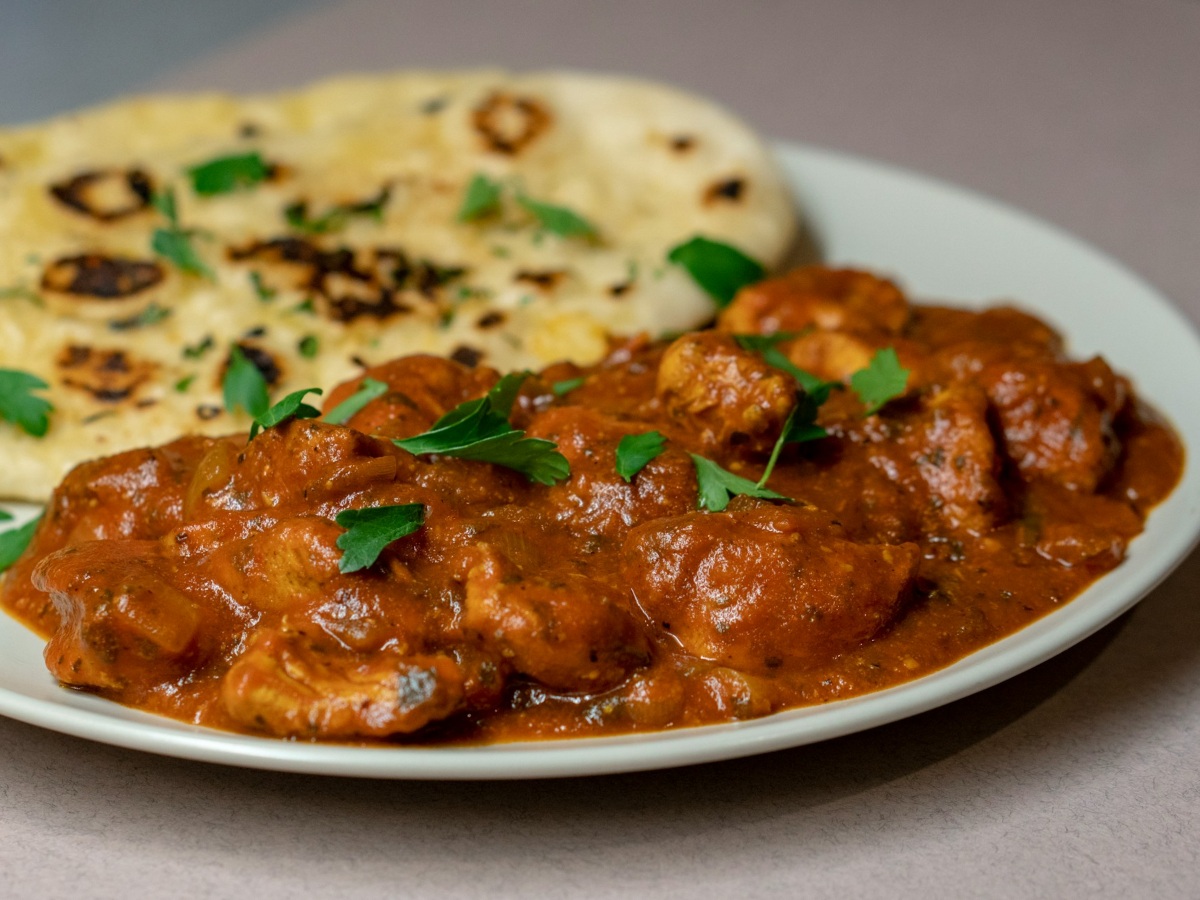
Cook the onions in butter and oil until softened and golden, then stir in the peppers and tikka masala paste. Add the chicken, followed by the tomatoes, tomato paste and water. Simmer until the chicken is done, then add the cream, yogurt and chutney. Finish with seasoning and chopped cilantro, then serve with rice, naan or your preferred sides.
Handy Equipment for Homemade Curry
- Large pot with a lid: Choose a pot with enough space to stir this batch comfortably. A wide base helps when you’re cooking onions, because there’s more surface area to help achieve browning.
- Chef’s knife and cutting board: Use these to prepare the vegetables and chicken, cleaning them thoroughly after raw poultry.
- Wooden spoon or heatproof spatula: Stir the sauce and scrape the bottom of the pot during cooking.
- Measuring cups and spoons: Measure the paste, liquids and chutney before you begin.
- Instant-read thermometer: Check a large chicken piece to confirm it’s cooked through.
What to Serve with Chicken Tikka Masala
Basmati rice or naan bread is a great pairing with the sauce. If you’d like a vegetable side, my spinach and chickpea recipe is a tasty option. You can also put together a larger menu with a few British appetizers.
How to Store Chicken Tikka Masala
- Refrigerate: Divide leftovers into smaller containers so they cool promptly and refrigerate within 2 hours. Eat within 48 hours.
- Freeze: Freeze cooled portions in airtight containers. Defrost in the refrigerator and use within 24 hours of fully thawing.
- Reheat: Heat only the amount you plan to eat, stirring until steaming hot throughout.
- Make ahead: You can cook the curry ahead and follow the same cooling and refrigeration guidance.
British Indian Food FAQs
People often describe it as a British national dish, but that description isn’t an official designation. Robin Cook famously used the phrase in a speech about British identity. I’m pretty sure fish and chips is in the shortlist though!
It can describe that in everyday conversation, but in food writing it often means a style of cooking associated with Britain’s curry houses. A cook’s nationality alone doesn’t define the food they prepare.
No. Restaurants may specialize in a particular region, a particular cooking tradition or a contemporary menu. A familiar takeout menu represents only part of the food available.
No. Curry powder is a dry spice blend. Tikka masala paste is a concentrated wet preparation, and products vary. This recipe calls for paste, so don’t substitute curry powder in the same quantity.
Easy Stovetop Chicken Tikka Masala
Ingredients
- 1 ¾ tablespoons (25g) butter
- 4 tablespoons vegetable oil
- 4 onions, chopped
- 2 red bell peppers, seeded and chopped
- 6 tablespoons chicken tikka masala spice paste
- 8 boneless skinless chicken breasts, cut into 1-inch (2½cm) pieces
- 2 (14-ounce/400g) cans chopped tomatoes
- 4 tablespoons tomato paste (UK: tomato purée)
- ¾ cup plus 1 ½ tablespoons (200ml) water
- ½ cup plus 2 tablespoons (150ml) plain yogurt
- ½ cup plus 2 tablespoons (150ml) heavy cream (UK: double cream)
- 2 to 3 tablespoons mango chutney
- Salt, to taste
- Black pepper, to taste
- Chopped cilantro (UK: fresh coriander)
- Basmati rice
- Naan bread
Equipment
- Measuring Cups and Spoons
- Chef’s knife
- Cutting board
- Large pot with a lid
- Wooden spoon or heatproof spatula
- Instant-read thermometer
Method
- Heat the butter and oil in a large pot over medium heat. Add the onions and a pinch of salt. Cook for about 18 minutes, stirring occasionally, until softened and golden.
- Stir in the red bell peppers and tikka masala paste. Cook for 5 minutes, stirring so the paste doesn't scorch on the bottom.
- Add the chicken and stir to coat it in the paste. Cook for 2 minutes.
- Add the chopped tomatoes, tomato paste and water. Stir well, bring to a gentle simmer and cover.
- Simmer for about 15 minutes, stirring occasionally, until the chicken is cooked through.
- Reduce the heat. Stir a little hot sauce into the yogurt, then gently stir the yogurt, cream and 2 tablespoons of mango chutney into the pot. Heat gently until hot throughout.
- Taste and add salt, optional black pepper and the remaining chutney if liked.
- Garnish with cilantro and serve with optional basmati rice and/or naan bread.
Other Recipes to Try
- My slow cooker butter chicken is another creamy chicken curry you might enjoy.
- You might also like this Indian chicken pasta salad.
- An Indian omelet is a good choice when you feel like some eggs with a little spice.
- Or try my Indian ground beef with fresh tomato salad for dinner!
Chicken tikka masala image by Amirali Mirhashemian on Unsplash.