
British Fish and Chips Recipe with Crispy Beer Batter
This post contains affiliate links. As an Amazon Associate I earn from qualifying purchases.
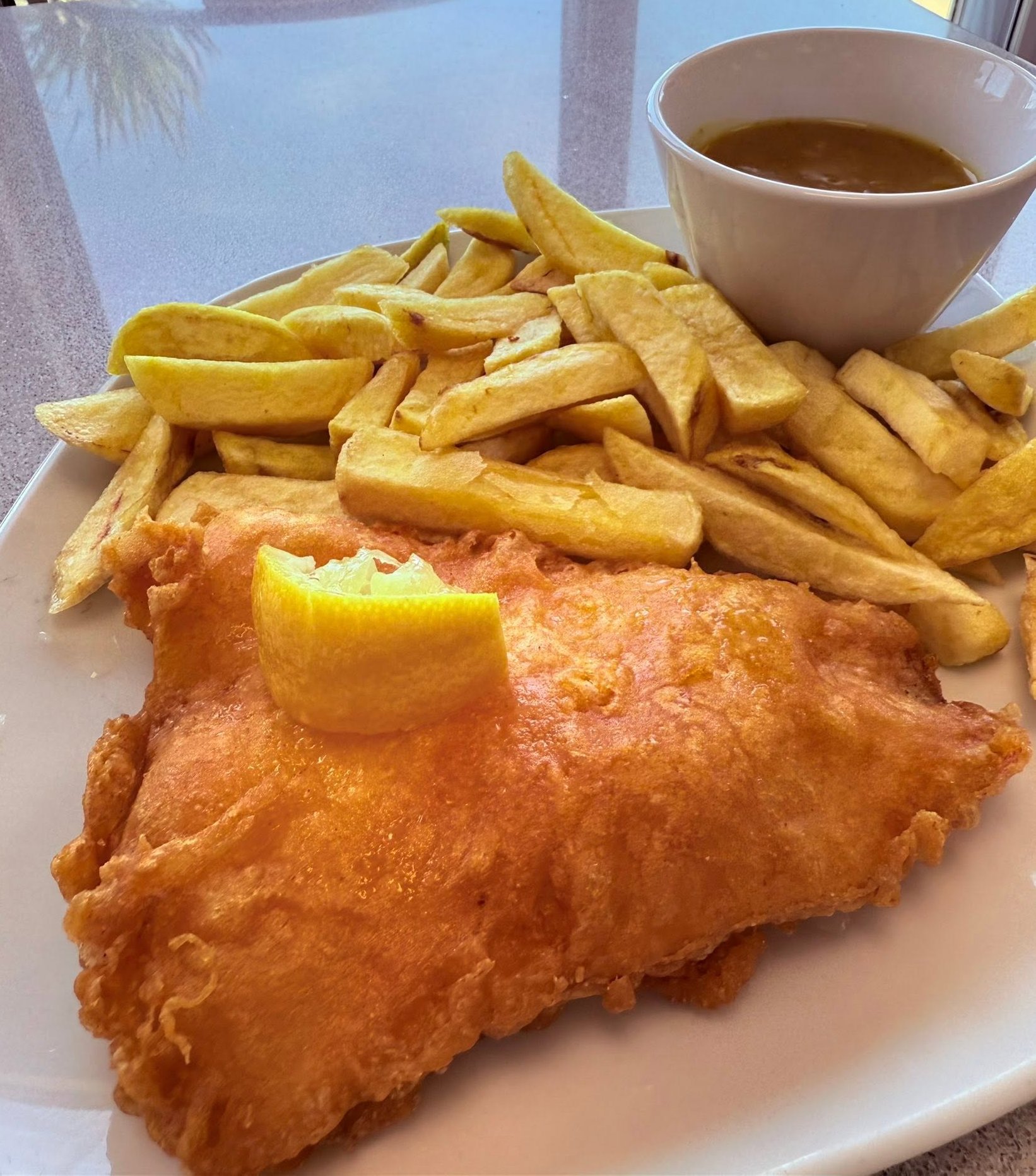
Fish and chips is one of those meals that can take me straight back to England before I’ve even taken a bite. The smell from a chippy is unmistakable, and growing up there means I’ve eaten my share of paper-wrapped cod and thick chips with plenty of salt and malt vinegar. This British fish and chips recipe promises you those classic flavors and you’ll find it a straightforward dish to make.
I’ll happily leave the mushy peas to somebody else, though you can certainly add them to your plate if you want to try the classic British side dish for fish and chips!
Making fish and chips at home gives you crisp beer-battered fish and chunky homemade chips in the same meal. Cod’s the classic choice, though haddock, pollock and several other firm white fish work well too.
Add tartar sauce, ketchup, mayonnaise, lemon wedges or malt vinegar according to how you remember your favorite fish and chip shop order.
British Fish and Chips at a Glance
- Prep time: 15 minutes
- Chilling time: 15 minutes
- Cook time: 20 minutes
- Total time: 50 minutes
- Servings: 4
- Cuisine: British
- Main ingredients: Cod, potatoes, beer and flour
- Best cooking method: Deep-frying in batches
- Storage: Best eaten immediately; refrigerate leftovers for up to 2 days
Why You’ll Love This British Fish and Chips Recipe
- Traditional beer batter: Flour, baking powder, seasonings and cold beer make a crisp coating around the fish.
- Thick homemade chips: These are British chips, meaning chunky fries with a fluffy middle rather than thin shoestring fries.
- Your choice of white fish: Cod is traditional, though the recipe also works with haddock, pollock, plaice or halibut. I typically order cod but have been known to try hake, haddock and rock salmon!
- Classic chippy extras: Salt and malt vinegar are the essentials, with tartar sauce, lemon, mushy peas or curry sauce available for anyone who wants them.
Ingredient Notes
- Cod: Choose thick, skinless fillets so the fish cooks at about the same rate as the batter. Fresh fish is convenient, though fully thawed frozen cod is fine after it has been dried thoroughly.
- Potatoes: Russet potatoes are a good US choice and Maris Piper potatoes are excellent in the UK. Both have the floury texture associated with traditional British chips.
- Cold beer: Brown ale gives the batter a stronger malt flavor. Lager makes a lighter-tasting batter. Keep it refrigerated until you mix the batter.
- All-purpose flour: This is plain flour in the UK. Baking powder aerates the coating while it fries.
- Cornstarch: Known as cornflour in the UK, this light dusting helps the wet batter cling to the fish.
- Old Bay and lemon pepper: The quantities are small, giving the coating gentle seasoning. Cayenne can replace the lemon pepper when you want more heat.
- Frying oil: Use a neutral oil suited to high-temperature cooking, such as vegetable, sunflower, canola or peanut oil.
How to Make Fish and Chips at Home
Prepare the chips first and soak them in cold water while you mix the batter. The chips are fried at a lower temperature until tender, drained, then fried again in hotter oil for their golden exterior. Keep them warm in a low oven while you cook the fish.
Whisk the dry batter ingredients together, add the cold beer and chill the mixture briefly. Dry the cod, dust it lightly with cornstarch and coat it in batter. I like to fry only a few pieces at a time so the oil temperature doesn’t drop sharply (that causes soggy batter!) Drain the fried fish on a wire rack briefly, then serve.
The Secret to Crispy Fish and Chips
- Dry the food thoroughly: Water left on the potatoes can make the hot oil spit. Excess moisture on the fish makes it harder for the coating to cling.
- Keep the batter cold: Mix it with beer straight from the refrigerator and chill it for 15 minutes before frying.
- Use a thermometer: The chips need a lower first frying temperature and a hotter second one. The fish cooks at a temperature between those two stages.
- Work in small batches: Too much food cools the oil quickly, which can leave the coating greasy.
- Drain on a rack: A wire rack lets steam escape underneath the fish and chips. Paper towels can trap steam against the bottom surface.
- Serve promptly: Fried batter gradually loses crispness as it cools, especially after salt, vinegar or sauce has been added.

What’s the Best Fish for a Fish and Chips Recipe?
Cod is mild, flaky and sturdy enough to handle the batter, which explains why it is the best-known choice for British fish and chips.
Haddock has a slightly stronger taste and is common in northern England and Scotland. Pollock is often less expensive and is another firm white fish; you can read more about the distinction between pollock and pollack.
Plaice, halibut, flounder and tilapia can also be fried in batter. Thin fillets cook more quickly, so watch them closely and remove them when the coating is golden and the fish reaches 145°F (63°C) in the center. Frozen fillets need to thaw completely before you dry, dust and batter them.
Substitutions and Variations
- Fish and chips without beer: Use very cold sparkling water in the same quantity. The batter will not have the malt flavor, though the carbonation still helps create a light coating.
- Spicier batter: I sometimes replace the lemon pepper with cayenne or add a little extra Old Bay.
- Gluten-free fish and chips: A cup-for-cup gluten-free all-purpose flour blend can be used, though I haven’t tested that substitution in this exact recipe. I recommend that you check the baking powder, seasonings and sauces if cross-contamination is a concern.
- Different chips: Leave the skins on well-scrubbed potatoes or try my crispy sweet potato fries as a separate side dish.
Can You Make Fish and Chips in an Air Fryer?
This wet beer batter is designed for hot oil. In an air fryer, it can drip away from the fish before the coating has time to set. An air fryer fish and chips recipe normally calls for a dry breadcrumb coating, with the fish and chips cooked in separate batches. Use the deep-frying method below when you want the beer-battered result shown here.
What to Serve with Fish and Chips
Serve the fish and chips on warmed plates so they do not cool too quickly. Salt and malt vinegar are the classic British additions. Tartar sauce is probably the best-known sauce for fish and chips in the US, while ketchup and mayonnaise are also common choices.
Lemon wedges add a zip of acidity without softening all the batter at once, since each person can squeeze lemon over a piece as they eat it.
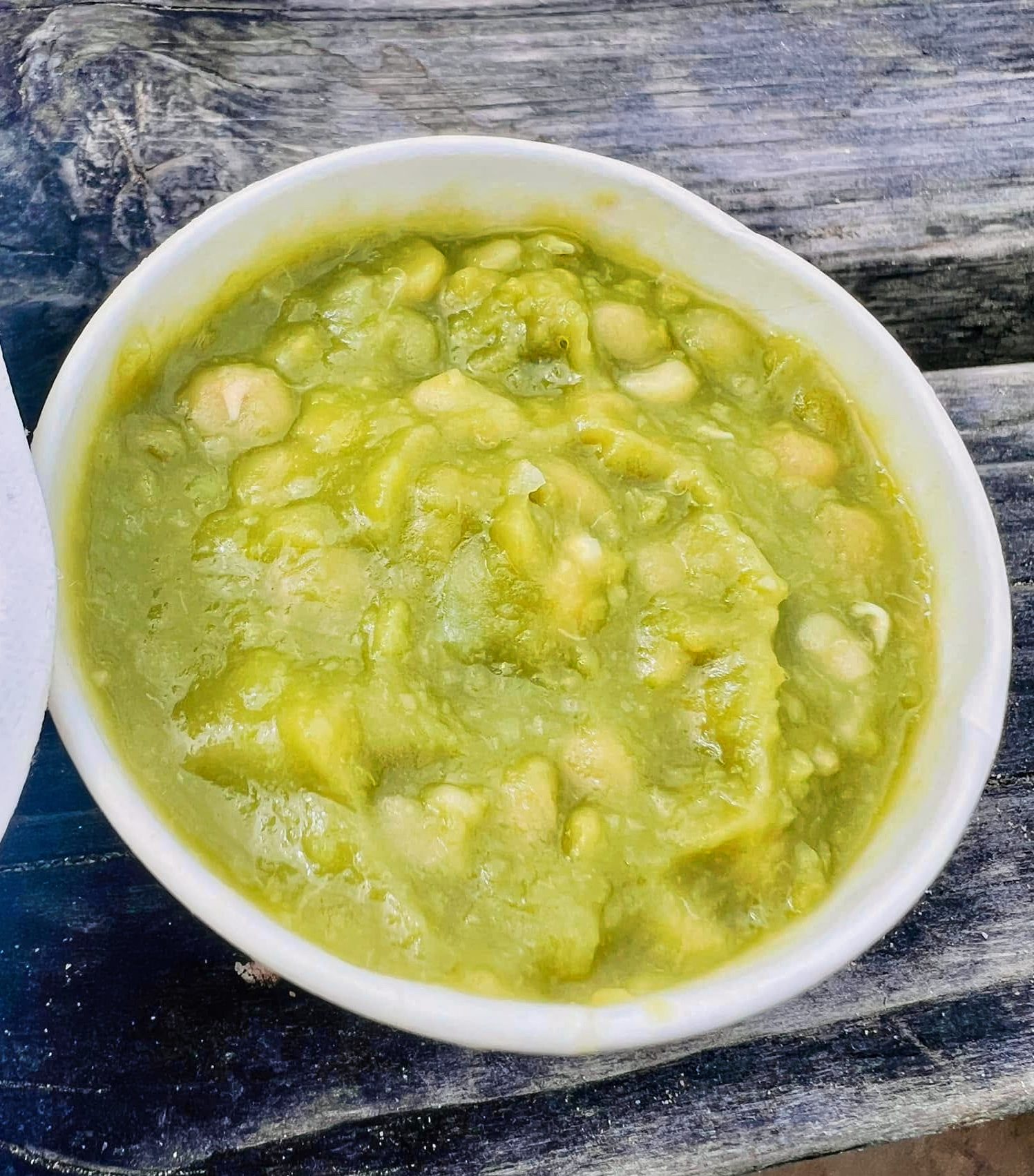
Mushy peas (pictured below) are traditional, although I’ve never been a fan myself. Other options include regular peas, baked beans, coleslaw, onion rings, a mixed green salad or British curry sauce.
More Fish and Seafood Recipes
For another casual fish dinner, try these salmon patties with breadcrumbs. A special seafood meal could include a fruits de mer platter, lobster tails, grilled mussels or oysters in chive sauce.
Squid fans can make cheese-stuffed squid in tomato sauce or stuffed calamari. My shrimp sandwiches are a simpler lunch option, and this guide to swai, basa and pangasius explains another inexpensive white fish and why you might want to avoid it.
How to Store
- Store: Fish and chips has its best texture straight from the fryer. Refrigerate leftovers within 2 hours in separate airtight containers and eat them within 2 days. Reheat the fish and chips on a wire rack in a hot oven or in an air fryer until piping hot. A microwave will soften the batter and chips.
- Freeze: I don’t recommend that you freeze the full meal because the coating and potatoes can get soggy after thawing.
- Make ahead: You can mix the batter up to 1 hour before frying and keep it refrigerated. Cut potatoes can sit in cold water in the refrigerator while you prepare the remaining ingredients, then they must be drained and dried thoroughly before they enter the oil.

British Fish and Chips FAQs
Dry the fish and potatoes thoroughly, keep the batter cold, use a thermometer and fry in small batches. Cooking the chips twice and draining the fish on a wire rack also helps protect the crisp coating.
The batter in this recipe contains all-purpose flour, baking powder, salt, Old Bay seasoning, lemon pepper and cold beer. The fish is lightly dusted with cornstarch before it goes into the batter.
Fry the chips first at 320°F (160°C), then fry them again at 375°F (190°C). Keep the chips warm in a low oven while you fry battered fish at 350°F (175°C), then serve the meal immediately.
I’ve replaced the beer with the same quantity of very cold sparkling water before and the results were good. You’ll lose that malt flavor, though the fizz still helps the batter fry up lightly crisp.
The fish may be too wet or the surface may not have been dusted before battering. Pat it dry, add a light coating of cornstarch and let excess batter drip away before lowering the fish carefully into the oil.
Bring the Chippy Home
This fish and chips recipe brings together crisp beer-battered cod, chunky chips and the familiar condiments that make a British chippy meal so memorable. Keep a thermometer near the fryer, cook in manageable batches and call everyone to the table as soon as the fish is ready. For another traditional British dinner, try my toad in the hole recipe.
British Fish and Chips with Crispy Beer Batter
Ingredients
- 4 large floury potatoes, such as Russet or Maris Piper
- Neutral oil, as needed for deep-frying
- Salt, to taste
- 1 ½ pounds (680g) skinless cod fillets, cut into 4 portions
- 2 cups (240g) all-purpose flour (plain flour)
- 1 tablespoon baking powder
- ⅛ teaspoon Old Bay seasoning
- ¼ teaspoon lemon pepper
- 1 teaspoon salt
- 12 fl oz (355ml) bottle cold brown ale or lager
- Cornstarch (cornflour), as needed for dusting
- Neutral oil, as needed for deep-frying
- Malt vinegar
- Tartar sauce, ketchup or mayonnaise
- Lemon wedges, optional
- Fresh parsley sprigs, optional
Equipment
- Large heavy pot or deep fryer
- Deep-fry thermometer
- Wire rack set over a baking sheet
- Mixing bowl
- Whisk
- Slotted spoon or spider strainer
Method
- Peel the potatoes and cut them into thick, evenly sized chips. Place them in a large bowl of cold water while you prepare the batter.
- Whisk the flour, baking powder, Old Bay, lemon pepper and salt in a large bowl. Pour in the cold beer and whisk until the batter is smooth. Refrigerate it for 15 minutes. The batter can be prepared up to 1 hour ahead and kept chilled.
- Preheat the oven to 200°F (95°C). Set a wire rack over a baking sheet.
- Pour enough oil into a deep, heavy pot to cook the chips safely without filling the pot more than one-third full. Heat the oil to 320°F (160°C).
- Drain the chips and dry them thoroughly with clean kitchen towels or paper towels. Fry them in small batches for 2 to 3 minutes, until tender and pale. Transfer them to the rack and let them cool while the oil heats again.
- Increase the oil temperature to 375°F (190°C). Fry the chips again in batches for 2 to 3 minutes, until golden and crisp. Drain them on the rack, season with salt and keep them warm in the oven.
- Reduce the oil temperature to 350°F (175°C). Pat the cod dry and dust each portion lightly with cornstarch, shaking off the excess.
- Dip the fish into the cold batter and let the excess drip back into the bowl. Carefully lower the fish into the hot oil, working in small batches. Fry the fish for 4 to 6 minutes, turning once, until the batter is crisp and golden and the fish reaches 145°F (63°C) in the center.
- Drain the fish on the wire rack. Serve immediately with the hot chips, malt vinegar, your chosen sauce and lemon wedges. Add parsley if liked.
Notes
- Fully thaw frozen fish and dry it thoroughly before dusting and battering.
- Keep the oil close to the stated temperatures. Oil that’s too cool can make the coating greasy, while excessively hot oil can brown the batter before the fish has cooked.
- Don’t overcrowd the pot. Frying in batches protects the oil temperature and gives the pieces room to cook evenly.
- Refrigerate leftovers within 2 hours and eat them within 2 days. Reheat in a hot oven or air fryer until piping hot.