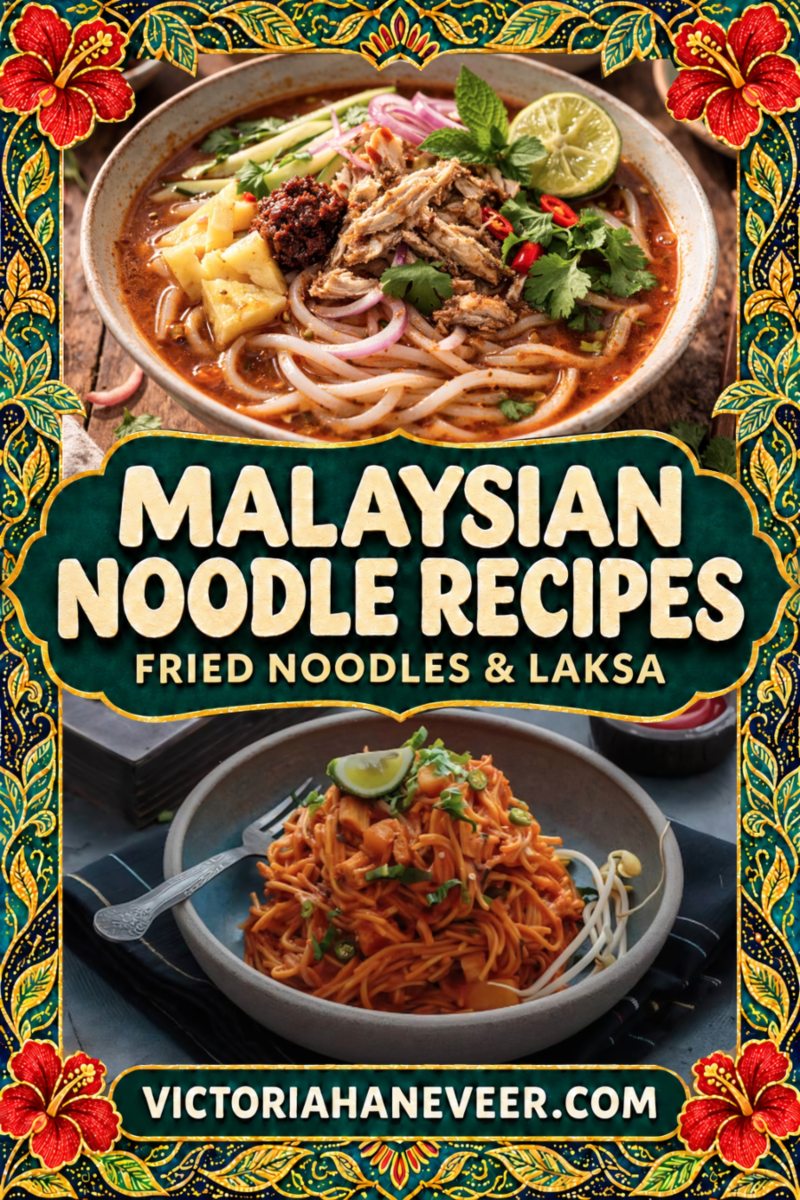
6 Malaysian Noodle Recipes: Fried Noodles and Laksa Soups
On the menu at a Malaysian noodle stall, you might see flat rice noodles fried with shrimp, springy egg noodles dressed with shallot oil or a soup sour enough to make you pucker. The type of noodle matters, but so do the other ingredients in the dish. Here are several delicious Malaysian noodle recipes to give you a glimpse into this exciting cuisine.
Char kway teow is fried in a hot wok. Kolo mee is tossed in a bowl after the noodles are cooked. In Penang asam laksa, thick rice noodles are served in a tamarind and mackerel broth.
These six Malaysian noodle recipes include two stir-fries, a dry-tossed noodle dish and three kinds of laksa. Start with mee goreng if you’ve got tofu and a few bottled sauces on hand.
Look for fresh flat rice noodles if you’re making char kway teow. For soup, the main decision is whether you want the sharpness of tamarind or a broth mellowed with coconut milk. Even the two coconut versions use different spice pastes.
Jump to a Recipe
- Mee Goreng with Tofu
- Char Kway Teow with Shrimp
- Sarawak Kolo Mee with Char Siu
- Penang Asam Laksa with Mackerel
- Sarawak Laksa with Chicken and Shrimp
- Curry Laksa with Shrimp and Tofu Puffs
1. Mee Goreng with Tofu
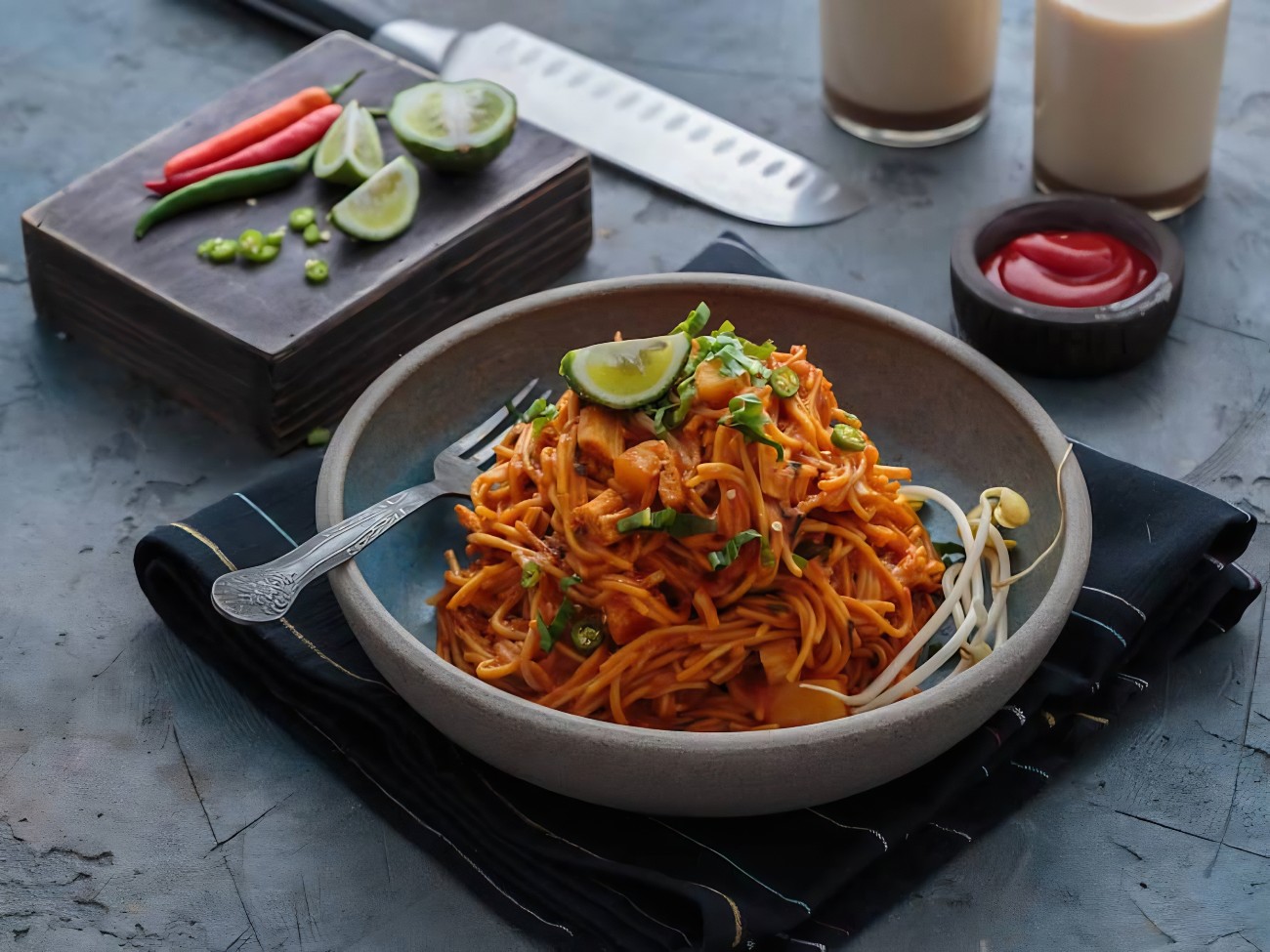
Mee goreng is one of the first Malaysian noodle recipes I tried. It’s made with yellow wheat noodles and golden cubes of firm tofu. The sauce is sweet and spicy, with sambal, kecap manis and a little tomato tang from ketchup. Light soy sauce and oyster sauce add a savory edge, and you can squeeze a wedge of lime over the noodles at the table for a little more acidity.
The tofu is fried separately and returned to the wok once the noodles are well coated in sauce. That gives it time to brown before the sauce goes in. The optional bean sprouts are cooked separately and served on the side. If you’re shopping for the sauce, look for the words kecap manis on the sweet soy bottle. Ordinary light soy sauce is thinner and saltier, and this recipe uses some of each.
2. Char Kway Teow with Shrimp
Fresh flat rice noodles are the base of char kway teow, a stir-fry closely associated with Penang. Shrimp, Chinese sausage and scrambled egg cook in the wok with the noodles. The sausage is subtly sweet, while the light soy sauce is salty and the dark soy gives the rice noodles a deeper color and adds a bold taste. Chili paste adds heat, and I like to add a few crisp bean sprouts near the end.
The browned patches on the noodles are part of the appeal of this Malaysian noodle recipe. A small batch and a properly heated wok help the noodles fry instead of steaming. Fresh flat noodles are easy to tear when they’re cold and stuck together, so separate them gently before they go into the pan. Compared with the tofu mee goreng, this dish has wider noodles and a darker soy seasoning, but if you like one you should like the other.
3. Sarawak Kolo Mee with Char Siu
Kolo mee is a Sarawak dish closely associated with Kuching. It’s made with thin egg noodles, but they’re boiled and tossed in a bowl instead of being fried in a wok. The dressing is made with shallot oil, light soy sauce and vinegar. The dressing also calls for rendered pork fat or an extra spoonful of shallot oil. The vinegar gives the rich dressing a contrasting sharpness.
There are two pork toppings in kolo mee: browned minced pork seasoned with soy and oyster sauce and slices of char siu. The same shallots used to make the oil are saved as a crisp topping, with green onions for a fresh taste. Pickled green chilies or chili sauce are optional. If you’ve already got char siu, most of the work is frying the shallots and cooking the minced pork.
4. Penang Asam Laksa with Mackerel
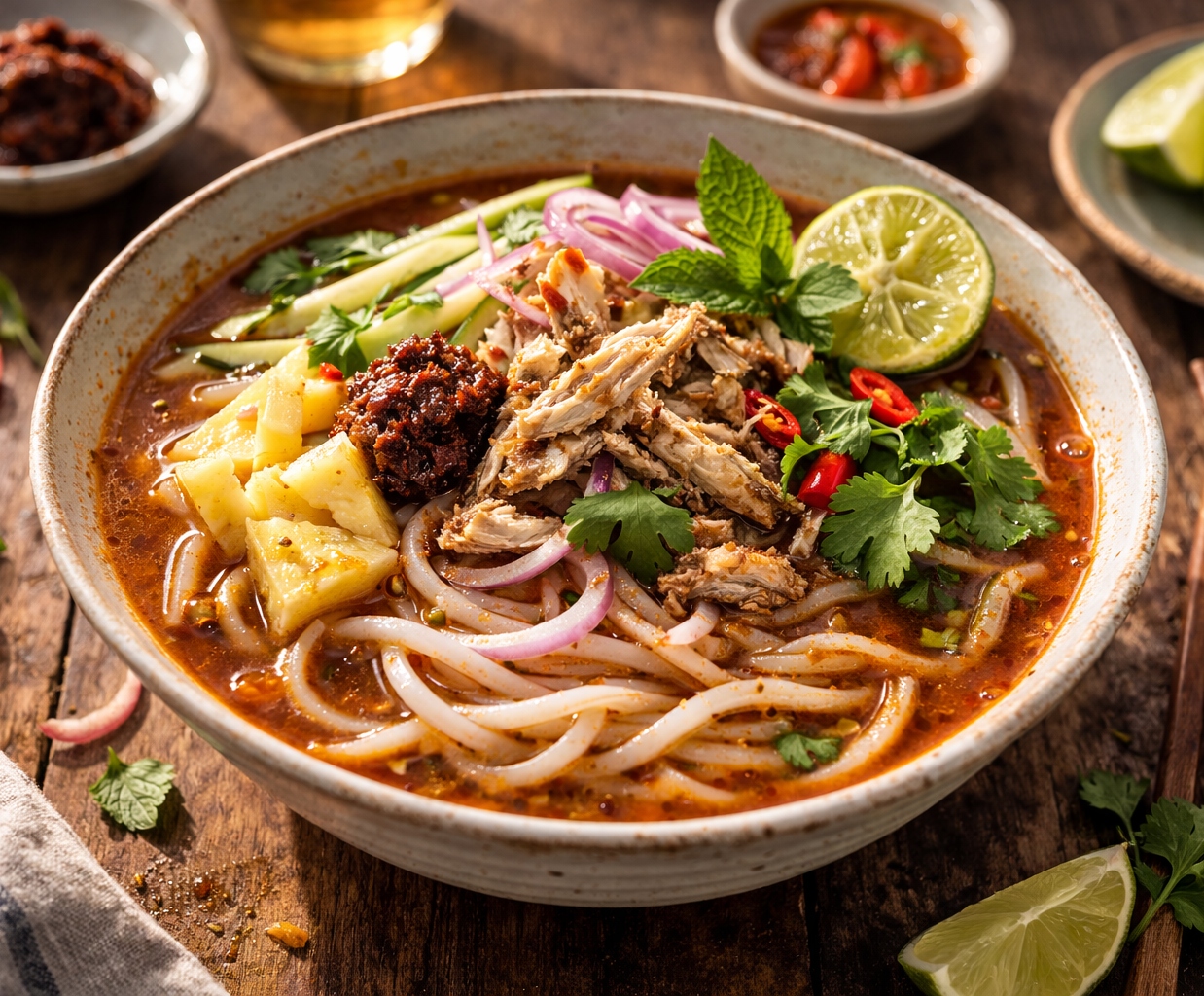
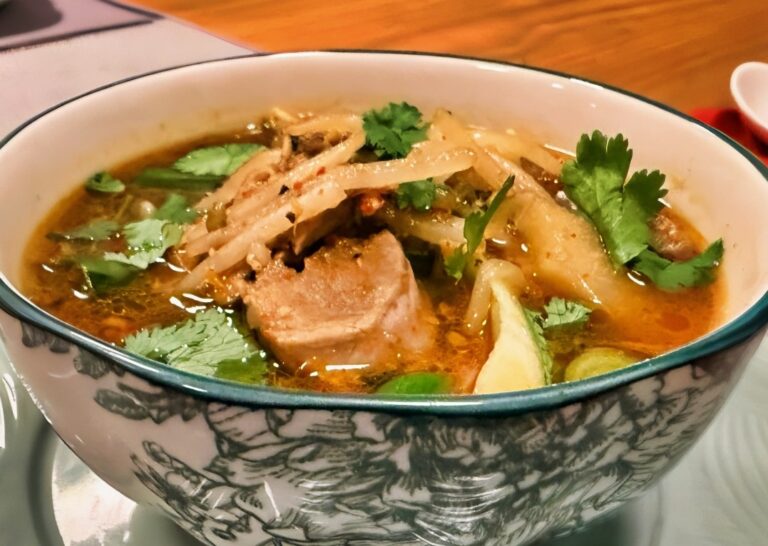
Penang asam laksa has the most piquant broth of the three soups. Tamarind gives it a pronounced sour taste, and the broth has flaked mackerel and a blended paste with chilies, lemongrass, galangal and toasted belacan. There’s no coconut milk in this one. Torch ginger and laksa leaves, also sold as Vietnamese coriander, give the soup much of its aroma.
Whole mackerel is poached and the heads and bones are simmered again to enrich the stock. The broth is strained before the boned, flaked fish goes back in. That extra step separates it from the two laksas made with prepared paste and chicken stock. Thick rice noodles are served with the soup, and cucumber, red onion, mint and fresh pineapple are added at the end as a garnish.
5. Sarawak Laksa with Chicken and Shrimp
Sarawak laksa is made with fine rice vermicelli in a spiced chicken broth with coconut milk. The recipe starts with Sarawak laksa paste, garlic and fresh ginger. Fish sauce adds saltiness to the broth. Shredded cooked chicken and shrimp feature in this soup, and the thin noodles are cooked separately before the broth is ladled over them.
The paste is the ingredient to look for by name. A jar labeled curry laksa paste is intended for a different soup. You can choose from various garnishes for this one, such as cilantro, lime or calamansi and thin omelet strips. Omelet is optional, but it’s worth knowing about if you’ve seen Sarawak laksa served with yellow ribbons in the vermicelli and wondered what they were.
6. Curry Laksa with Shrimp and Tofu Puffs
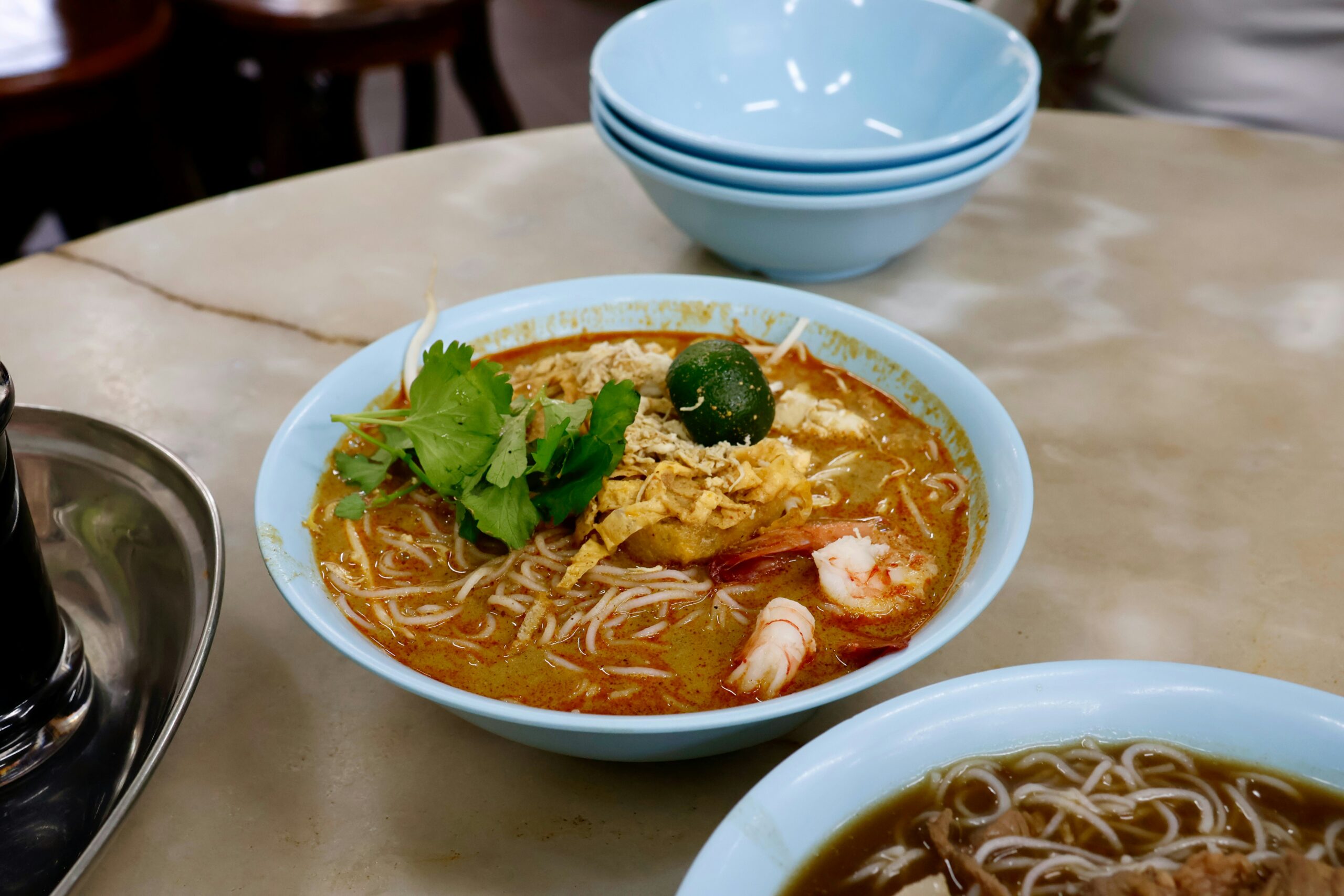
Curry laksa is made with curry laksa paste fried with garlic and shrimp paste. The broth is made with chicken broth and coconut milk, then seasoned with fish sauce and a little sugar. Shrimp and rice noodles make it a filling meal. The shredded cooked chicken is optional, so you can leave it out if you’re happy with just the shrimp and tofu.
The tofu puffs are what distinguishes this bowl from the Sarawak version. They’re porous fried tofu, and the cut sides absorb the coconut curry broth as the puffs simmer. Look for them in the refrigerated or frozen section at an Asian grocery store. At the table, offer lime wedges and sliced red chilies, so everyone can adjust their own.
Malaysian Noodle Recipes: What to Look For at the Grocery Store
If you’re deciding at the noodle aisle, grab fresh yellow wheat noodles for mee goreng, fresh flat rice noodles for char kway teow or thin egg noodles for kolo mee.
The three soups use rice noodles, but they don’t all call for the same shape. Penang asam laksa uses thick ones and Sarawak laksa uses fine vermicelli. Buy the paste by the name of the laksa you’re making. The Penang recipe makes its own spice paste and uses tamarind concentrate separately.
Which Dishes Can You Start Ahead?
Both stir-fries are best served from the wok, so do the chopping and measure the sauces before you heat the pan. Kolo mee is a better fit if you want to make the shallot oil and pork topping earlier.
If you’re cooking Penang asam laksa, you can make the fish broth ahead and store the noodles and fresh garnishes separately. I like to keep the noodles out of the stock until serving, because this prevents them from becoming soggy.
For more Malaysian noodle recipes, rice dishes, curries and more regional favorites, browse the Malaysian recipe hub.