Char Kway Teow Recipe (Malaysian Stir-Fried Noodles)
This post contains affiliate links. As an Amazon Associate I earn from qualifying purchases.
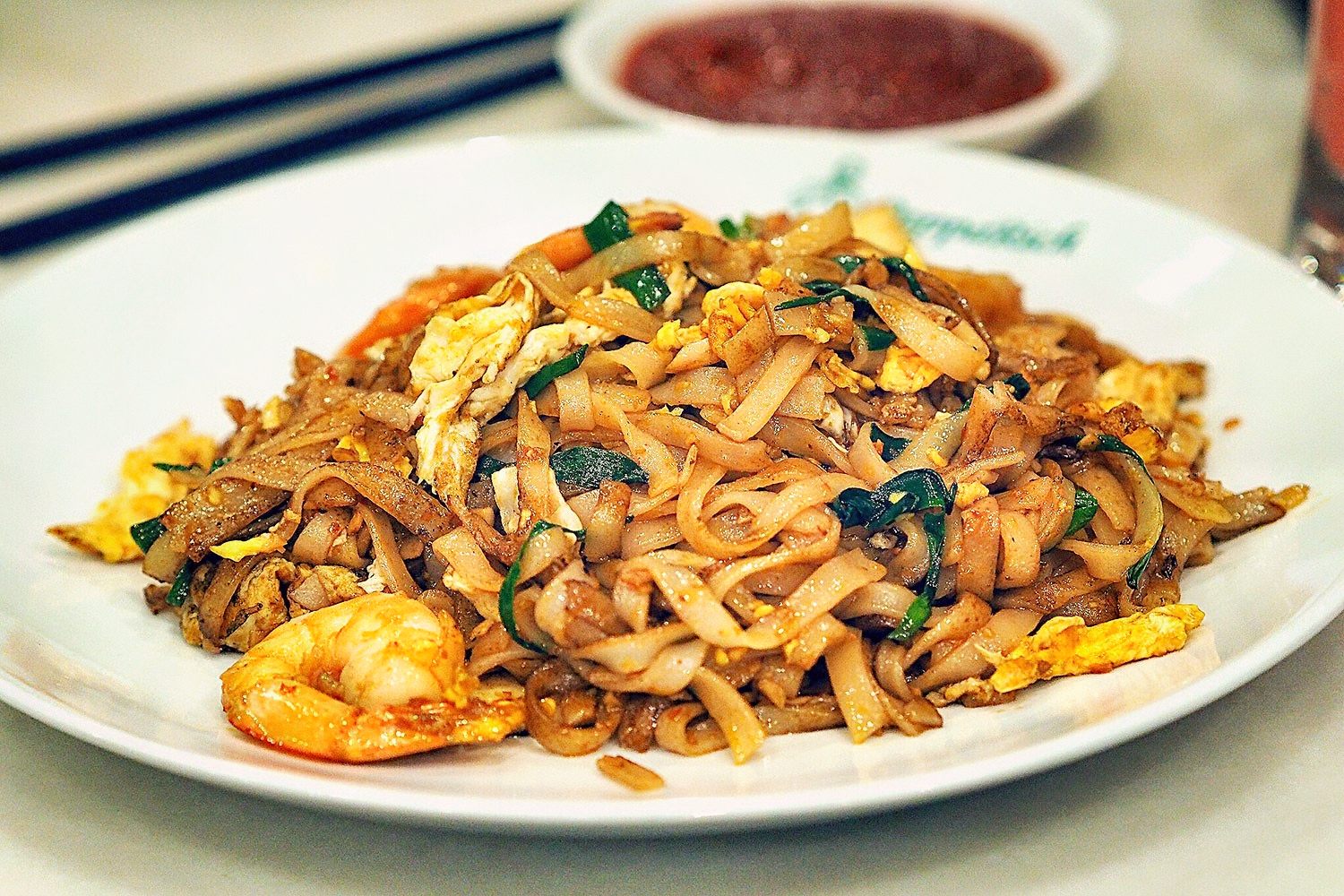
Char kway teow is one of Malaysia’s best-known hawker noodle dishes. It’s made by stir-frying flat rice noodles over a fierce heat with shrimp, Chinese sausage, egg and bean sprouts. Light and dark soy sauce season the noodles, and then chili paste adds as much heat as you choose. The goal is a glossy coating and a little char from the wok instead of a wet sauce.
Penang’s especially famous for char kway teow and that’s where I first tried it. Traditional Penang plates can include cockles, Chinese chives and pork lard, while recipes around Malaysia and Singapore vary. My recipe feature shrimp, Chinese sausage and vegetable oil, making the ingredient list easier to shop for if you’re not in Asia.
High heat is probably the most important part of the dish. A hawker burner can create stronger wok hei than most home stoves, although a well-heated wok, a small batch and quick cooking can still give the rice noodles browned edges and plenty of wok flavor.
Char Kway Teow at a Glance
- Prep time: 15 minutes
- Cook time: 10 minutes
- Total time: 25 minutes
- Servings: 2
- Cuisine: Malaysian
- Main ingredients: Flat rice noodles, shrimp, Chinese sausage, egg and bean sprouts
- Best cooking method: High-heat wok stir-fry
- Storage: Refrigerate for up to 2 days
Why It’s Worth Making
- This char kway teow recipe cooks fast: Once the ingredients are prepped, the stir-frying takes about 10 minutes.
- The heat is adjustable: Reduce the chili paste or add extra at the table.
- You don’t need a restaurant burner: A very hot home wok can still brown the noodles and create some wok char.
- Really tasty: The combination of chewy noodles, succulent shrimp, crunchy bean sprouts and rich, spicy sauce is just so good. I like to whip this up for lunch because it takes less than half an hour all-in.
What is Char Kway Teow?
Char kway teow is a stir-fried flat rice noodle dish with southern Chinese roots that became part of hawker food culture in Malaysia and Singapore. The name comes from Hokkien and Teochew. Char means stir-fried and kway teow refers to flat rice noodles.
Penang char kway teow is especially well known. Cooks traditionally fry each portion separately over very high heat, often with prawns, cockles, Chinese sausage, egg, bean sprouts and Chinese chives. Ingredients differ between stalls and regions. I’ve never had two that were the exact same.
Char Kway Teow Ingredients
- Flat rice noodles: Fresh wide rice noodles are the traditional choice. Dried flat rice noodles are a good alternative if you can’t find fresh noodles.
- Shrimp: Use peeled shrimp and pat them dry before cooking so excess water doesn’t cool the wok or make the dish steam instead of stir-frying.
- Chinese sausage: Also sold as lap cheong, this cured sausage has a slightly sweet flavor. You can get Chinese sausage online if you can’t find it at an Asian grocery store.
- Eggs: I scramble the eggs in the wok before I add the noodles.
- Bean sprouts: Add these near the end so they keep some of their crunch.
- Light and dark soy sauce: Light soy sauce adds most of the saltiness and dark soy sauce deepens the color and adds a little sweetness to the dish.
- Chili paste: Feel free to use less for mild noodles or increase it if you want more heat. Sambal oelek chili paste is good in the sauce.

How to Make Char Kway Teow
Prep every ingredient before heating the wok because the cooking part goes fast! Fry the garlic briefly, cook the shrimp and Chinese sausage, then scramble the eggs in the same wok.
Add the noodles with both soy sauces and the chili paste, stirring only as much as needed to coat them and expose some of the noodles to the hot metal.
I recommend adding the bean sprouts near the end and serving it immediately. Leaving the cooked noodles sitting in the wok makes them softer and can overcook the shrimp.
I always make sure I have warmed serving bowls ready, as well as chopsticks or silverware and extra hot sauce on the table. Once the noodles are ready, you’ll want to serve them right away for the tastiest, freshest result!
Choosing Char Kway Teow Noodles
Fresh flat rice noodles are ideal because they already have the soft, flexible texture associated with hawker-style char kway teow. I get the best result when I separate the strands gently before adding them to the wok rather than pulling at them once they are hot.
I’d say dried wide rice noodles are a practical alternative. Prepare them according to the package directions and stop before they get too soft. They finish cooking in the wok and can break if they’re already overcooked before stir-frying.
Char Kway Teow Sauce
The char kway teow sauce in this recipe is a simple mixture of light soy sauce, dark soy sauce and chili paste. Light soy sauce adds most of the salty flavor, while dark soy sauce gives it a deeper color and slight sweetness. The chili paste adds heat, and you can adjust the amount to suit your taste.
You don’t need to buy a bottled char kway teow sauce. Measure the soy sauces and chili paste before you start cooking so they’re ready to add as soon as the noodles go into the hot wok. Keep the coating fairly light because too much liquid can make the noodles steam instead of stir-fry.
How to Get Better Wok Hei at Home
Wok hei describes the aroma and flavor associated with very high-heat wok cooking. Commercial burners are far more powerful than most home stoves, so recreating a hawker stall exactly isn’t realistic. At home, heat your wok thoroughly before adding the oil and keep the batch small.
- Dry wet ingredients: Pat the shrimp dry and drain the bean sprouts well.
- Have everything ready: Measure the sauces and slice the sausage before the wok goes on the heat.
- Don’t overcrowd the wok: If you double the recipe, cook two batches.
- Handle the noodles gently: Repeated stirring can tear soft rice noodles.
- Serve immediately: Char kway teow is at its best straight from the wok.
Penang Char Kway Teow and Regional Variations
Penang char kway teow is commonly associated with prawns, cockles, egg, Chinese sausage, bean sprouts and Chinese chives. Traditional cooks may use pork lard and prepare one portion at a time over intense heat.
Singapore char kway teow can be darker and sweeter, and some Singapore versions combine flat rice noodles with yellow wheat noodles. Malaysian recipes also vary from place to place. My recipe follows the Malaysian way with flat rice noodles, shrimp and Chinese sausage. I left out cockles and lard.

Substitutions and Variations
- No Chinese sausage: Use sliced roasted pork or omit the sausage. The flavor will be less sweet.
- Less heat: Reduce the chili paste or leave it out and offer chili at the table.
- Different seafood: Squid can replace some of the shrimp.
- Chicken: Thinly sliced chicken can be used instead of shrimp. Cook it completely before adding the noodles.
- Fresh or dried noodles: Either can work. Take extra care not to over-soften dried noodles before stir-frying.
Equipment
- Carbon Steel Wok: A flat-bottom carbon-steel wok that heats quickly and works well for the high-heat stir-frying this recipe needs.
- Wok Spatula: A curved stainless-steel head fits the shape of a wok and makes it easier to stir and lift the noodles.
- Chef’s Knife: A versatile chef’s knife makes slicing the Chinese sausage and preparing the garlic and garnishes easy.
- Cutting Board: A non-slip cutting board is handy for preparing the sausage, shrimp, garlic and other ingredients before heating the wok.
What to Serve with Char Kway Teow
Char kway teow is usually filling enough to serve as a main dish. Put a little sambal belacan on the table if you want extra chili. For a larger Malaysian spread, Malaysian satay works well as a separate dish before or with the noodles.
How to Store
- Refrigerate: Cool leftovers promptly, transfer them to a covered container and refrigerate for up to 2 days.
- Reheat: Reheat quickly in a hot wok or skillet until piping hot. Avoid prolonged cooking because the rice noodles soften further.
- Freeze: Freezing isn’t recommended. Cooked rice noodles are usually soft and brittle after thawing.
- Make ahead: Slice the sausage, mince the garlic and mix the soy sauces with the chili paste ahead of time. Cook the noodles only when you’re ready to eat.

Char Kway Teow FAQs
A useful English approximation is “char kway tee-ow.” Pronunciation varies slightly with dialect and accent.
It’s strongly associated with both Malaysia and Singapore, and each has its own regional styles. Penang in Malaysia is particularly famous for the dish.
I used light soy sauce, dark soy sauce and chili paste, as I didn’t have a bottled char kway teow sauce. Traditional recipes vary though and might have other seasonings included.
Yes. Use the widest, heaviest skillet you have and let it get really hot before cooking. A skillet has less sloping surface area than a wok, so cooking a smaller batch helps prevent steaming.
Not automatically. Regular soy sauce often contains wheat, and some Chinese sausage and chili pastes also contain gluten. Use gluten-free soy sauce or tamari and check the labels on the sausage and chili paste if you need a gluten-free meal.
More Malaysian Noodles and Hawker Food
If you’re exploring Malaysian noodles, kolo mee gives you springy noodles with char siu, while Penang asam laksa has sour, spicy fish-broth flavors. Sarawak laksa is another regional noodle dish with a rich, spicy broth.
For another Malaysian hawker-style recipe, try otak otak, a spiced fish mixture cooked in banana leaves. You can find the rest of these dishes in my Malaysian recipe collection.
More Malaysian Recipes to Try
I love that char kway teow doesn’t need a long ingredient list or lengthy cooking time. And the interesting part is what happens in the wok: the noodles take on soy sauce and chili flavors and get browned edges, and the shrimp, sausage and egg cook in quick succession.
If you want to compare it with another Southeast Asian fried noodle dish, my traditional pad Thai uses a very different tamarind-based sauce. And my hot and sour squid soup has plenty of chili and sour flavor.
Char Kway Teow
Ingredients
- 8 ounces (225g) flat rice noodles
- 6 ounces (170g) shrimp, peeled
- 2 eggs
- 2 Chinese sausages, sliced
- 1 cup (100g) bean sprouts
- 2 tablespoons dark soy sauce
- 1 tablespoon light soy sauce
- 1 tablespoon chili paste
- 2 tablespoons vegetable oil
- 2 cloves garlic, minced
- Chopped scallions (spring onions)
- Lime wedges
- Extra chili paste
Equipment
- Carbon-steel wok
- Measuring Cups and Spoons
- Wok spatula
- Chef’s knife
- Cutting board
Method
- Prepare all the ingredients before you start cooking because the stir-frying stage goes quickly.
- Heat the vegetable oil in a wok over high heat.
- Add the garlic and stir briefly until fragrant. Add the shrimp and cook until just opaque. Add the sliced Chinese sausage and stir-fry until lightly browned.
- Push the shrimp and sausage to one side of the wok. Crack in the eggs and scramble them quickly.
- Add the rice noodles, dark soy sauce, light soy sauce and chili paste. Stir-fry until the noodles are evenly coated and lightly browned in places.
- Add the bean sprouts and cook briefly, just until heated, then serve immediately with scallions, lime wedges and extra chili paste if liked.
Notes
- I always use fresh flat rice noodles, but if you’re using dried noodles, prepare them following the package directions and don’t let them get too soft before stir-frying.
- Cook in two batches if you’re doubling the recipe, so the wok stays hot.
- A wide heavy skillet can substitute for a wok if you don’t have one. Just cook a smaller batch at a time if needed.
- Traditional Penang char kway teow commonly includes ingredients such as cockles and Chinese chives. I haven’t included them here, but add some if you like.
- Reduce or omit the chili paste if you prefer a milder dish.
Some images by insatiablemunch on Flickr, CC BY 2.0. Brightness, contrast and crop adjusted.