Kolo Mee Recipe (Sarawak Noodles with Char Siu)
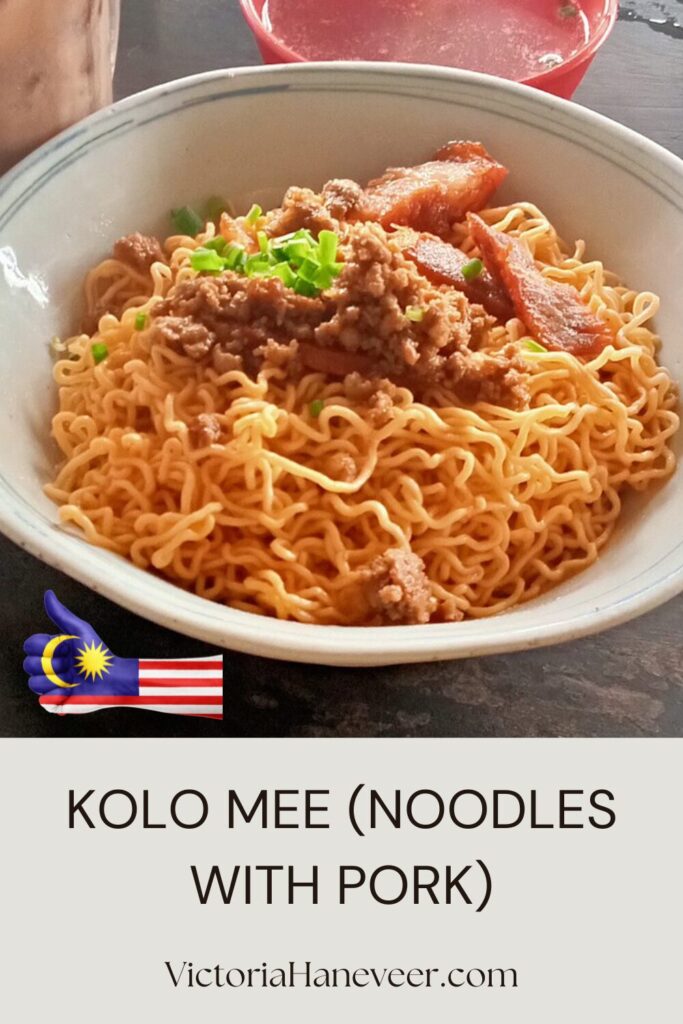
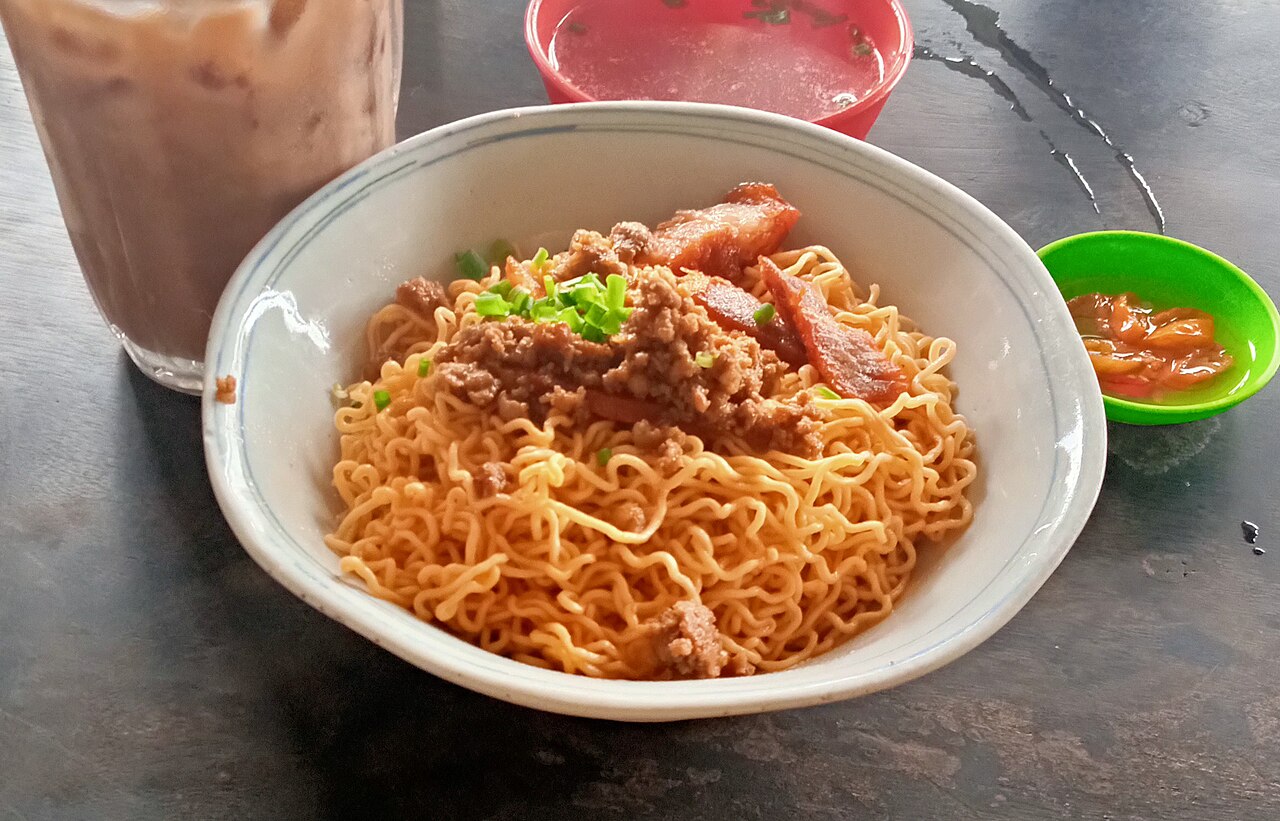
This kolo mee recipe recreates the Sarawak hawker dish with springy egg noodles, seasoned minced pork and sliced char siu. The noodles are dry-tossed with a light dressing, so there’s no broth or heavy sauce.
Shallot oil gives the noodles their aroma, and a little vinegar cuts through the rich pork fat. The finished noodles should look glossy without any sauce collecting at the bottom of the bowl.
Kolo mee is closely associated with Kuching and is eaten throughout Sarawak. Visit my Malaysian recipes hub for more regional dishes.
Kolo Mee Recipe at a Glance
- Prep time: 20 minutes
- Cook time: 15 minutes
- Servings: 4
- Cuisine: Malaysian
- Main ingredients: Egg noodles, minced pork, char siu and shallot oil
- Best served: Hot with chili sauce or pickled green chiles
What is Kolo Mee?
Kolo mee, also written as ko lo mee or mee kolok, is a dry-tossed noodle dish from Sarawak in East Malaysia. Thin egg noodles are coated with shallot oil, pork fat, soy sauce and vinegar, then topped with minced pork, char siu, fried shallots and green onions.
When I say it’s a “dry” dish, I mean the noodles aren’t served in soup. They still have a dressing, though, and that dressing’s an essential part of the dish. When I ordered this dish from a hawker, he served a small bowl of broth on the side but that’s not always the case.
The most familiar version is linked with Kuching. White, dark and reddish versions are available, depending on the soy sauce and char siu sauce used by the cook. I find them all delicious!
Why You’ll Love It
- Springy noodles: The noodles are cooked briefly and dressed as soon as they’re drained, helping them retain their chew.
- Light savory dressing: Shallot oil, soy sauce and vinegar coat the noodles lightly without creating a wet sauce.
- Two pork toppings: Seasoned minced pork and sliced char siu give the dish a mix of savory and sweet flavors, and if you’re a pork fan like me you’re going to love this double pork factor!
- Useful make-ahead components: The shallot oil and pork topping can be prepared before cooking the noodles.
Sarawak Kolo Mee Recipe Ingredients
- Thin egg noodles: Fresh wonton noodles are closest to the noodles used by Sarawak hawkers. I tried thin dried egg noodles and those were pretty good in this.
- Shallots: Frying sliced shallots produces both the flavored oil and a crisp garnish.
- Minced pork: The pork’s cooked with garlic, light soy sauce and oyster sauce.
- Char siu: Sliced Chinese roast pork adds sweetness and is one of the customary kolo mee toppings.
- Light soy sauce: This seasons the noodles without giving them the deep color associated with dark soy sauce.
- Vinegar: White vinegar is commonly used. I prefer rice vinegar because it gives a slightly milder result.
- Pork fat: Rendered pork fat is traditional and gives the dressing extra richness. More shallot oil can be used if you don’t have it.
- Green onions: Known as spring onions in some places, these are added just before serving.
Tips for the Best Kolo Mee
- Watch the shallots closely: Remove them when they’re light golden. They continue browning in the hot oil and can get bitter if you let them get too dark. My stove can be a bit temperamental, so I recommend keeping your eyes on the pan.
- Check the noodles early: Fresh egg noodles may need only a minute in boiling water. I suggest you follow the package directions if you’re using dried noodles, as cooking times can vary.
- Drain thoroughly: Water left on the noodles dilutes the dressing and prevents the oil from coating them properly.
- Toss them immediately: Mix the noodles with the dressing while they’re steaming hot. I find they can clump as they cool.
- Prepare each component first: Have the dressing and toppings ready before the noodles enter the water.
Variations and Substitutions
- Red kolo mee: Add a small amount of the red sauce or drippings from the char siu to the noodle dressing.
- Dark kolo mee: Replace a little of the light soy sauce with dark soy sauce for deeper color and a stronger soy flavor.
- No rendered pork fat: Use an equal amount of the homemade shallot oil.
- Chicken version: Use minced chicken, chicken char siu and neutral oil for a pork-free variation.
- Different noodles: Fresh wonton noodles give the closest texture. Thin dried egg noodles or plain ramen noodles are reasonable substitutes.
Kolo Mee
Ingredients
- ⅓ cup neutral oil
- 2 shallots, thinly sliced
- 8 ounces (225g) minced pork
- 2 garlic cloves, minced
- 1 tablespoon light soy sauce
- 1 tablespoon oyster sauce
- 3 tablespoons prepared shallot oil
- 1 tablespoon rendered pork fat or additional shallot oil
- 2 tablespoons light soy sauce
- 2 teaspoons white vinegar or rice vinegar
- 12 ounces (340g) thin egg noodles
- 6 ounces (170g) char siu, thinly sliced
- 2 green onions, thinly sliced
- Chili sauce or pickled green chilies, optional
Method
- Put the oil and sliced shallots in a small frying pan. Cook over medium-low heat until the shallots are pale golden.
- Strain the oil into a heatproof container and transfer the fried shallots to paper towels.
- Heat 1 tablespoon of the prepared shallot oil in a frying pan. Add the garlic and cook for about 30 seconds.
- Add the minced pork. Cook until browned, breaking it into small pieces as it cooks.
- Stir in 1 tablespoon light soy sauce and the oyster sauce. Cook for another minute, then remove the pork from the heat.
- Combine 3 tablespoons shallot oil, the rendered pork fat or additional shallot oil, 2 tablespoons light soy sauce and the vinegar in a large mixing bowl.
- Cook the egg noodles according to the package directions until just tender. Drain them thoroughly.
- Add the hot noodles to the dressing and toss until every strand is lightly coated.
- Divide the noodles among 4 bowls. Add the minced pork, char siu, fried shallots and green onions.
- Serve immediately with chili sauce and/or pickled green chilies if liked.
Notes
- Don’t overbrown the shallots: Remove them when they’re pale golden because they’ll continue cooking in the hot oil.
- Check fresh noodles early: Fresh egg noodles may need only a minute in boiling water.
- Dress the noodles immediately: Toss them with the oil mixture as soon as they’re drained to prevent clumping.
What to Serve with Kolo Mee
Kolo mee is generally served as a complete breakfast or lunch. I’ve had it for dinner before, too. Pickled green chilies, chili sauce and a small bowl of clear broth are common accompaniments.
For another dish from Sarawak, try this Sarawak Laksa. You can also make Char Kway Teow, Malaysian Satay or Ikan Bakar.
How to Store Kolo Mee
- Make ahead: Prepare the shallot oil and pork topping up to 2 days ahead. Keep them in separate covered containers in the refrigerator.
- Refrigerate: Store leftover pork and char siu for up to 3 days. Cooked dressed noodles can also be refrigerated, although I find they get softer and can clump.
- Freeze: Freeze the cooked minced pork for up to 1 month. The noodles don’t freeze particularly well.
- Reheat: Warm the pork in a frying pan or microwave. For the best texture, cook and dress a fresh batch of noodles.
Kolo Mee Recipe FAQs
Kolo mee is a dry-tossed noodle dish, so the noodles aren’t submerged in broth. Some hawker stalls serve a small bowl of clear soup on the side and I usually do too.
Thin, springy egg noodles are customary. Fresh wonton noodles are a good substitute, and I’ve found that thin dried egg noodles also work.
Kolo mee comes from Sarawak and uses a light dressing based on shallot oil or pork fat. Wanton mee is commonly served with wontons and often has a darker soy-based sauce. If you like one, I bet you’ll like the other one too!
Yes. Replace the rendered pork fat with more shallot oil. The flavor will be a little different, though the noodles will still be properly coated.
A Sarawak Noodle Favorite
A good bowl of kolo mee depends on springy noodles, fragrant oil and a restrained amount of seasoning. I recommend that you prepare the toppings first, dress the noodles while they’re hot and serve the dish straight away.
Photo credit: Kolo mee via Wikimedia Commons