Malaysian Curry Puffs Recipe (Kari Puff with Chicken and Potato)
This post contains affiliate links. As an Amazon Associate I earn from qualifying purchases.
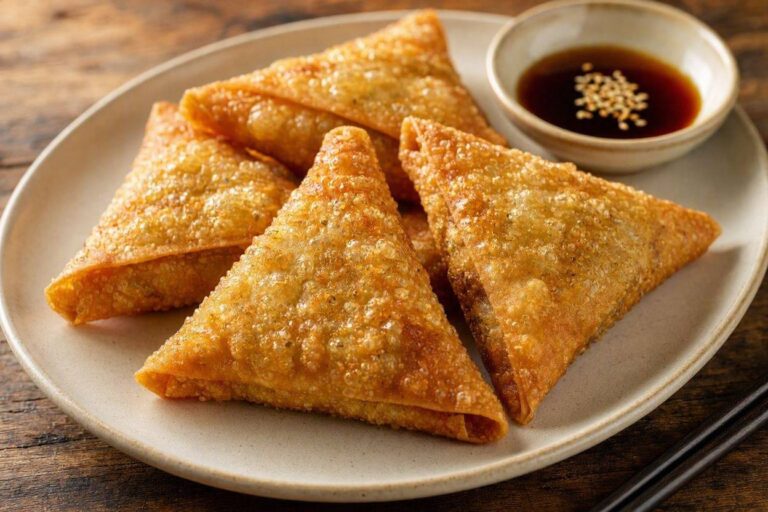
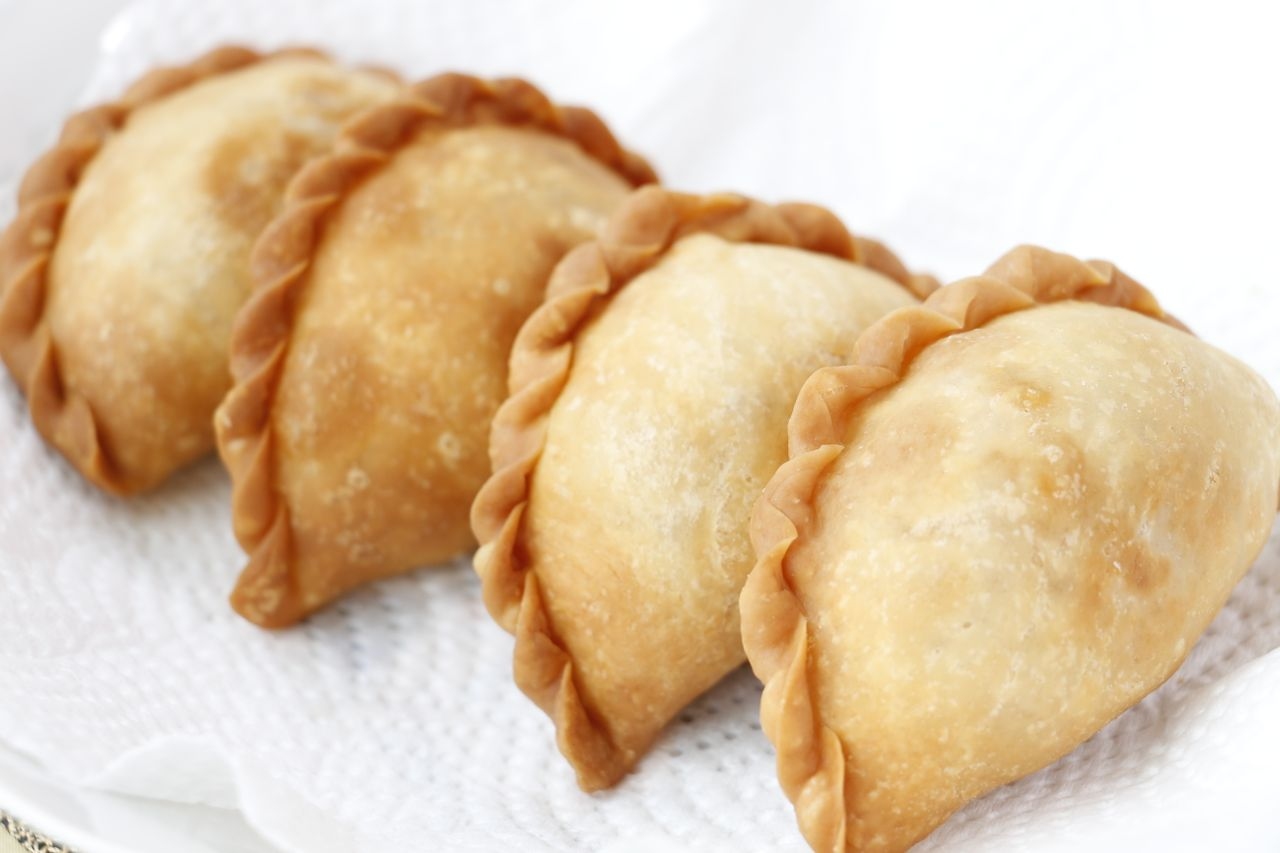
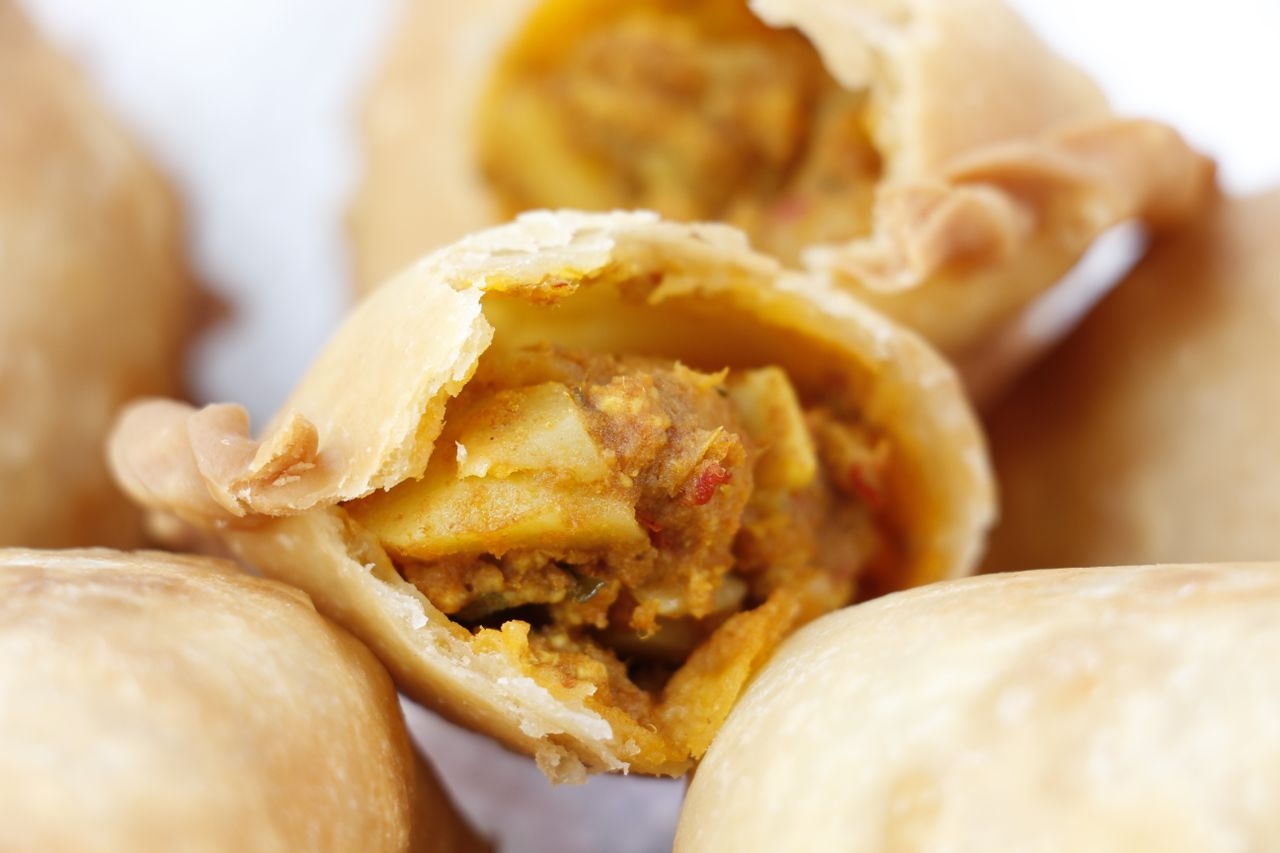
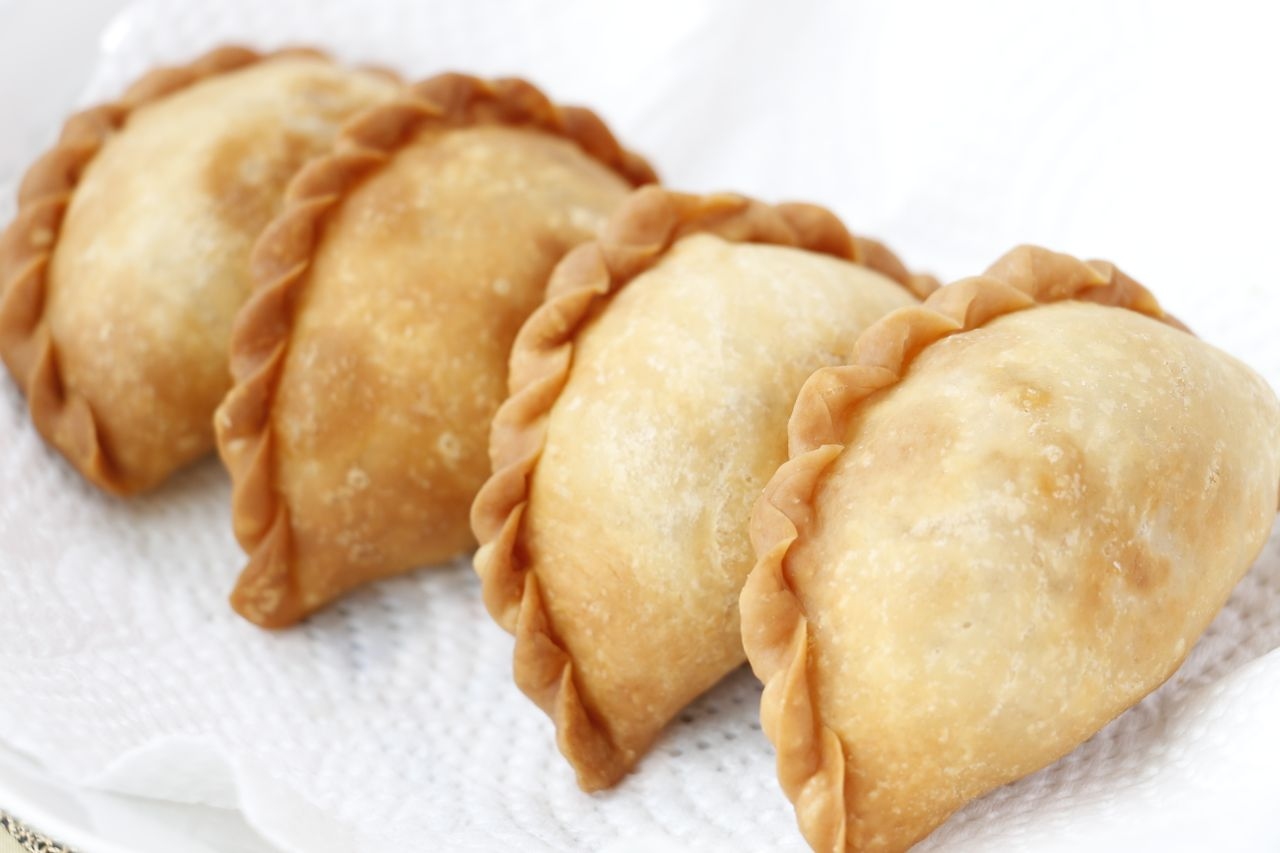
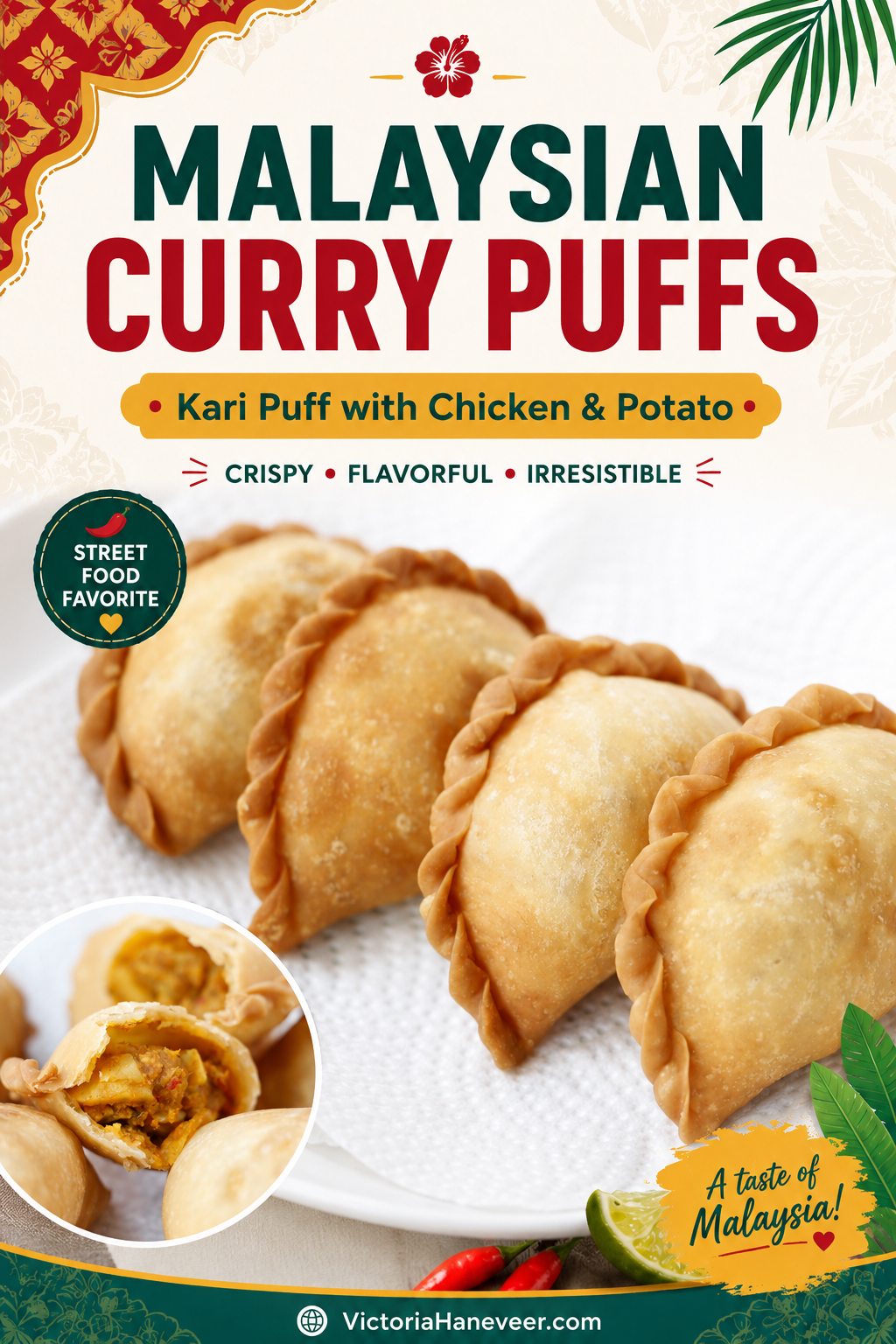
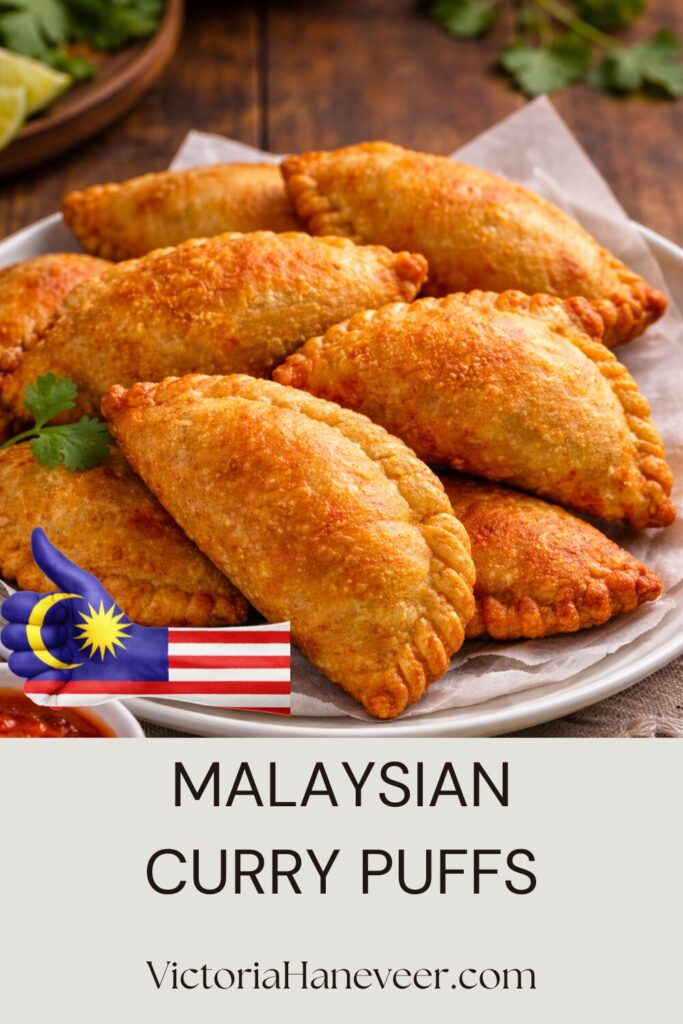
Malaysian curry puffs, also called kari puff or karipap, are fried half-moon pastries filled with curried potato, onion and often chicken or egg. This recipe makes ten puffs with a handmade dough that fries into a firm, crisp shell around a dry chicken and potato filling.
Store-bought puff pastry is common in shortcut recipes. I prefer the handmade shell here because it resembles the kari puff you can buy at Malaysian bakeries, market stalls and Ramadan bazaars.
These pastries are usually enjoyed as a snack with chili sauce and tea. For another Malaysian dish, try Penang asam laksa, or see these Finnish hand pies for a very different filled pastry.
Malaysian Curry Puffs at a Glance
- Prep time: 45 minutes
- Cook time: 25 minutes
- Total time: 1 hour 10 minutes
- Servings: 10 curry puffs
- Cuisine: Malaysian
- Main ingredients: Chicken thighs, potatoes, onion, curry powder, flour and butter
- Best cooking method: Deep-fried in batches
- Storage: Refrigerate cooked puffs for up to 3 days or freeze shaped uncooked puffs for up to 2 months
What Makes This Curry Puff Recipe Different
The pastry is made with flour, butter, oil and cold water, giving it a firmer bite than laminated puff pastry. The chicken and potato filling is cooked until it holds together on a spoon, which helps protect the dough from excess moisture during shaping and frying.
- Handmade shell: The dough fries into a crisp crust with a close crumb.
- Dry curry filling: Potato binds the chicken, onion and spices into a compact mixture.
- Classic half-moon shape: Each pastry is folded over and crimped firmly around the edge.
- Optional egg: I like to add a small wedge of hard-boiled egg in each puff before sealing.
Ingredient Notes
- Potatoes: Potato makes up most of the filling and helps it hold together once a few pieces are lightly mashed.
- Chicken thighs: Finely diced thigh meat cooks quickly and gives the filling a savory chicken flavor.
- Onion and garlic: These form the aromatic base for the curry powder and turmeric.
- Curry powder and turmeric: Curry powder provides most of the seasoning, while turmeric reinforces the golden color. You don’t need a specialist Malaysian curry powder. I like Ducros here, though another curry powder you already enjoy will work.
- Flour and butter: All-purpose flour forms the dough. I prefer butter to margarine because its flavor suits the handmade pastry.
- Hard-boiled egg: This is optional. Cut one egg into 10 small wedges if you want a piece in every puff. I really like the contrasting flavor and texture though, and almost always include it!
- Neutral oil: You’ll need a small amount for the filling and enough extra oil for deep-frying.
How to Make Curry Puffs
- Cook the filling: Soften the onion, add the garlic and spices, then cook the chicken, potato, salt, sugar and water until the potatoes are tender and the mixture is fairly dry. Mash a few pieces of potato and cool the filling completely.
- Make the pastry: Rub cold butter into the flour and salt, add the oil and enough cold water to form a smooth dough, then cover and rest it for 20 minutes.
- Shape the puffs: Divide the dough into 10 pieces, roll each into a thin circle, add the filling and optional egg, then fold and crimp each pastry into a sealed half-moon.
- Fry in batches: Heat the oil to 350°F (175°C), then cook the curry puffs until golden and crisp. Drain them on a rack or paper towels and serve warm or at room temperature.
Traditional Curry Puff Pastry vs Puff Pastry
A traditional Malaysian curry puff shell is made from a simple dough and fried. It has a firmer, more compact crumb and a crimped edge that holds the filling securely. Store-bought puff pastry creates lighter layers and a richer butter flavor, so it produces a noticeably different pastry.
Puff pastry curry puffs are best baked according to the directions on the pastry package. The chicken and potato filling can stay the same, so long as it’s completely cool and dry before you begin to assemble the Malaysian curry puffs.
Tips for the Best Curry Puffs
- Cool the filling fully: Warm filling softens the dough and makes the edges harder to seal.
- Cut everything small: Small pieces of potato and chicken fit inside the pastry more neatly and are less likely to pierce it.
- Keep the dough covered: Exposed dough dries at the edges and can crack during folding.
- Leave room at the edge: Too much filling prevents a firm seal and can cause the puffs to open in the oil.
- Press out trapped air: Smooth the dough around the filling before crimping so air pockets do not expand while frying.
- Watch the oil temperature: Keep it close to 350°F (175°C). If a test puff browns very quickly, lower the heat before adding the rest.
- Work in batches: Crowding the pan lowers the oil temperature and can make the pastry greasy.
Variations and Substitutions
- Vegetarian curry puffs: Omit the chicken and add more potato, finely diced carrot or chopped mushrooms. Cook the filling until no excess moisture remains.
- Beef curry puffs: Replace the chicken with finely chopped or minced beef and drain off any excess fat before cooling the filling.
- Milder curry puffs: Choose a mild curry powder and omit any extra chili sauce at serving time.
- Puff pastry curry puffs: Fill squares or circles of thawed puff pastry and bake them according to the package directions.
- Egg-free curry puffs: Leave out the optional hard-boiled egg. No other changes are needed.
What to Serve with Malaysian Curry Puffs
Curry puffs are commonly eaten with bottled sweet chili sauce and hot tea. For more heat, serve them with a small amount of sambal belacan. You can add otak-otak to a Malaysian snack spread, then finish with cendol if you want something cold and sweet.
Curry Puff Origin and History
The exact origin of the curry puff is not settled. The snack became established in Malaysia and Singapore within a wider tradition of filled pastries, with possible influences from the British Cornish pasty, Portuguese empanada and Indian samosa.
In Malaysia, karipap is a familiar bakery, market and bazaar snack. Potato is central to many fillings because it absorbs the curry seasoning and helps bind the mixture. Chicken, sardine and hard-boiled egg are common additions, while the crimped half-moon shape is closely associated with the dish.
How to Store
- Make ahead: Prepare the filling up to 1 day in advance and refrigerate it. Shaped uncooked curry puffs can be refrigerated for several hours before frying.
- Refrigerate: Keep cooked curry puffs in an airtight container for up to 3 days.
- Freeze: Freeze shaped uncooked puffs in a single layer, then transfer them to a freezer container or bag for up to 2 months.
- Reheat: Warm cooked curry puffs in the oven or air fryer until hot and crisp. I tried microwaving but didn’t like it because it softened the pastry.
Malaysian Curry Puffs FAQs
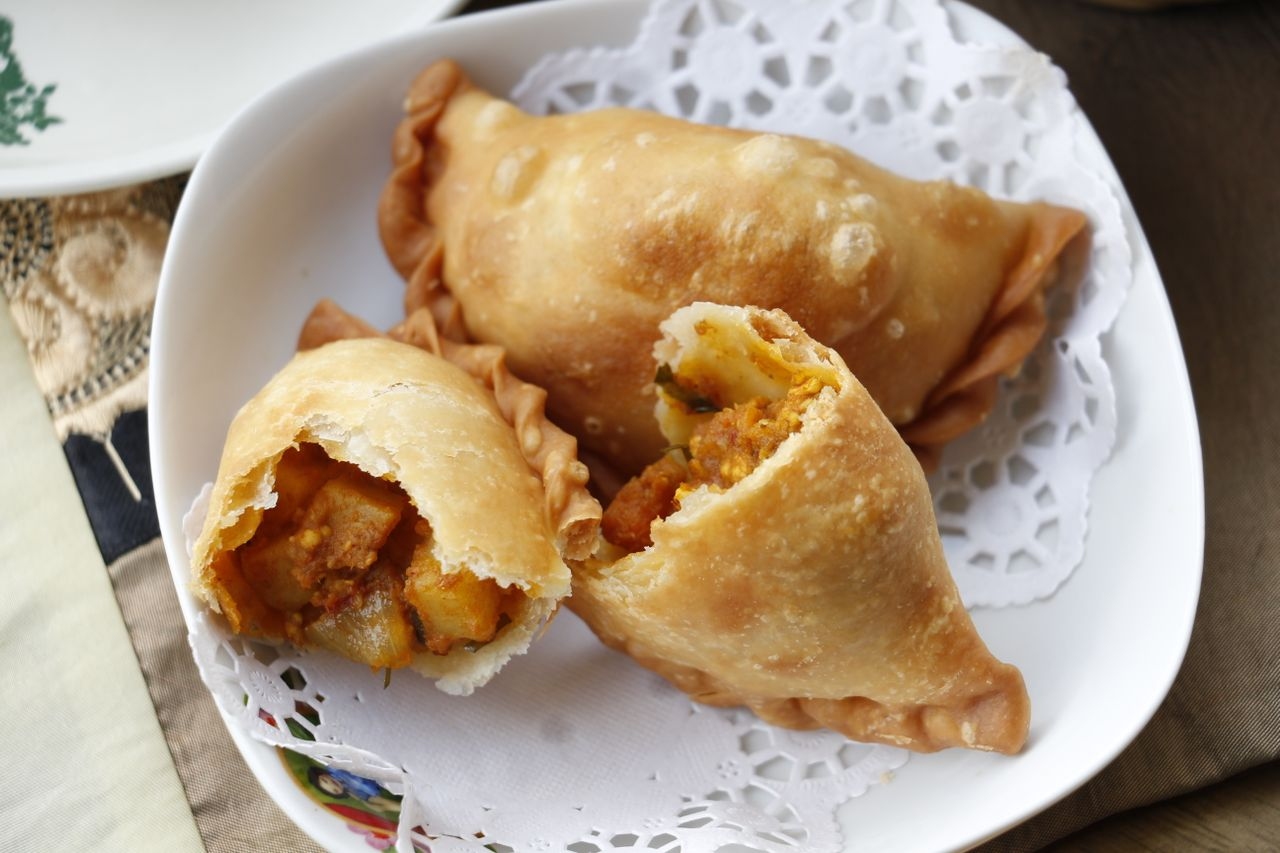
A typical curry puff has pastry around a thick curried filling, often potato, onion, chicken and hard-boiled egg. Sardine, beef and vegetable fillings are also common.
Curry puffs are strongly associated with Malaysia and Singapore, with related versions found in Thailand and elsewhere in Southeast Asia. Indian samosas are one influence often mentioned in accounts of their development.
Cook a dry curry filling and let it cool, enclose it in circles of dough, crimp the edges firmly and fry the pastries until golden. Cool, compact filling helps prevent leaks.
No. Both are filled savory pastries, though samosas are usually triangular and often have a thinner shell. Malaysian curry puffs are commonly half-moon shaped with crimped edges and may contain chicken, potato and egg.
Yes. Fill thawed puff pastry with the cooled curry mixture and bake according to the package directions. The pastry will be lighter and flakier than handmade fried kari puff.
The filling may be too wet, the pastry may be overfilled, trapped air may remain inside or the edges may not be sealed firmly. Cool the filling completely and crimp every edge before frying. I used to have a bad habit of over-filling pies and pastries (and wontons!) but now try to add a smaller amount, because else things can get messy!
More Malaysian Recipes to Try
The handmade shell and dry chicken-potato filling make these curry puffs a good introduction to Malaysian snack recipes. Browse my Malaysian recipes collection for more ideas, or try Malaysian satay, roti canai or nasi lemak next.
Malaysian Curry Puffs
Ingredients
- Neutral oil, for deep-frying
- 1 hard-boiled egg, cut into 10 small wedges, optional
- 14 ounces (400 g) potatoes, peeled and diced
- 8 ounces (225 g) boneless skinless chicken thighs, finely diced
- 1 small onion, finely chopped
- 2 garlic cloves, minced
- 2 tablespoons curry powder
- ½ teaspoon ground turmeric
- ½ teaspoon salt, or to taste
- ¼ teaspoon sugar
- 2 tablespoons (30 ml) neutral oil
- 2 tablespoons (30 ml) water
- 2½ cups (300 g) all-purpose flour
- ½ teaspoon salt
- 5 tablespoons (70 g) cold unsalted butter, cut into small pieces
- 2 tablespoons (30 ml) neutral oil
- ½ cup (120 ml) cold water, plus a little more if needed
Method
- Heat the 2 tablespoons of oil for the filling in a skillet (frying pan) over medium heat. Add the onion and cook until softened.
- Add the garlic, curry powder and turmeric. Stir until fragrant. Add the chicken and cook until it is no longer pink on the outside.
- Stir in the potato, salt, sugar and water. Cook until the potatoes are tender and the mixture is fairly dry.
- Lightly mash a few potato pieces so the filling holds together. Check that the chicken has reached 165°F (74°C), then transfer the filling to a bowl and let it cool completely.
- Put the flour and salt in a mixing bowl. Rub in the cold butter until the mixture resembles coarse crumbs.
- Add the oil and enough cold water to form a smooth dough. Knead briefly, cover and rest for 20 minutes.
- Divide the dough into 10 equal pieces and roll each piece into a thin circle.
- Put a spoonful of cooled filling in the center of each circle. Add a small wedge of hard-boiled egg if using. Fold the dough over the filling to make a half-moon. Press out trapped air and crimp the edges firmly to seal.
- Heat enough neutral oil for deep-frying in a deep, heavy pan to 350°F (175°C). Fry the curry puffs in batches until golden brown and crisp.
- Drain on a rack or paper towels. Serve warm or at room temperature with chili sauce or sambal.
Notes
- The filling must be completely cool before it is added to the dough.
- Keep unused dough covered while rolling and filling the curry puffs.
- Don’t overfill the pastry. Leave enough clean dough around the edge to make a firm seal.
- Prepare the filling up to 1 day ahead and keep it refrigerated.
- Refrigerate cooked curry puffs in an airtight container for up to 3 days.
- Freeze shaped uncooked puffs in a single layer, then transfer them to a freezer container or bag for up to 2 months.
- Reheat cooked curry puffs in the oven or air fryer until hot and crisp.
Some images are from Pexels