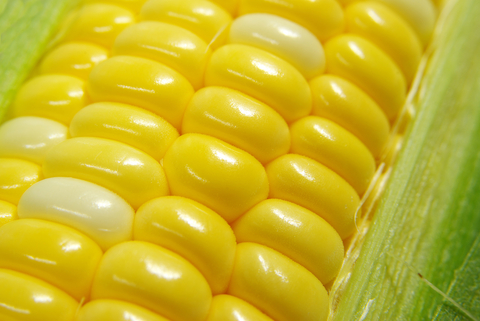
How to Freeze Corn on the Cob
This post contains affiliate links. As an Amazon Associate I earn from qualifying purchases.
When corn’s cheap and plentiful in late summer, freezing the extra ears makes more sense than trying to eat them all at once. Read on to find out how to freeze corn on the cob if you want to serve whole ears later, or cut the kernels off after blanching if you mainly use corn kernels in soups, pasta, rice or fritters.
I often use corn in pasta dishes, so I typically freeze just the kernels. They take up less freezer space and I can use just the amount I need. Whole cobs are still worth freezing if that’s how you like to serve them, although they’ll usually be softer after freezing than freshly cooked corn.
The method is slightly different depending on how you want to freeze it. Whole ears need a longer blanch, while corn that you plan to cut off the cob gets a shorter blanch before you remove the kernels.
How to Freeze Corn on the Cob at a Glance
- Best method: Blanch, cool, drain and freeze
- Whole cob blanching: 7 to 11 minutes depending on ear size
- Corn kernels: Blanch the ears for 4 minutes before cutting off the kernels
- Cooling: Chill immediately in ice water after blanching
- Freezer temperature: 0°F (-18°C) or below
- Best-quality storage: About 8 to 12 months
- Husks: Remove the husks and silks before using the recommended freezing method
- Without blanching: Possible, although blanching gives better long-term quality
Why Freeze Fresh Corn?
Freezing it is a good option when you buy corn in bulk, grow your own or simply end up with more than you can use while it’s fresh. You can keep the ears whole for serving as corn on the cob or freeze the kernels if you normally just add corn to other dishes.
Kernels are the more practical choice if freezer space is tight. Bags of corn stack easily and you can take out a small amount without having to cook a whole ear.
Choose Fresh Corn for Freezing
Before learning the best way to freeze corn on the cob, it’s a good idea that you start with corn that’s as fresh as possible. I always look for plump, tender kernels rather than ears that have started to dry or shrivel. Fresh sweet corn is at its best when the kernels are full and release a milky liquid when cut.
Freezing can preserve good corn, but it can’t improve corn that’s already lost its sweetness or begun to dry out.
How Do You Freeze Corn on the Cob?
The National Center for Home Food Preservation recommends blanching whole ears before freezing them. The blanching time depends on the diameter of the cob, so don’t use the same timing for every ear.
- Prepare the corn: Remove the husks and silks, trim the ears if needed and wash them.
- Boil the water: Bring a large pot of water to a strong boil. Add the corn and cover the pot. Start timing once the water returns to a boil.
- Blanch the corn
Small ears: Corn measuring 1 ¼ inches or less in diameter needs 7 minutes.
Medium ears: Corn measuring 1 ¼ to 1 ½ inches in diameter needs 9 minutes.
Large ears: Corn measuring more than 1 ½ inches in diameter needs 11 minutes. - Cool immediately: Move the corn straight into a large bowl or sink of ice water. Let it cool completely. I find that cooling takes roughly as long as blanching.
- Drain well: Remove as much surface water as possible before freezing.
- Pack and freeze: Add the ears to freezer bags or freezer-safe containers. Press excess air from bags, seal and label with the date.
Whole corn on the cob generally softens more during freezing than kernels do. If you’re particular about the texture of corn on the cob, I recommend that you freeze a couple of ears first and see what you think before filling half the freezer with them.
How Do You Freeze Corn Cut Off the Cob?
If you normally use corn in soups, pasta, casseroles, rice dishes or fritters, freezing the kernels saves a lot of room. Blanch the ears before cutting off the corn rather than cutting the raw kernels off first.
- Prepare the corn: Remove the husks and silks, then wash the corn.
- Blanch the corn: Blanch the whole ears in boiling water for 4 minutes.
- Cool immediately: Move them immediately into ice water and cool for about 4 minutes.
- Drain well: Drain the ears thoroughly.
- Remove the kernels: Stand each cob upright on a cutting board and use a sharp knife to cut through about two-thirds of the depth of the kernels.
- Pack and freeze: Pack the kernels into freezer bags or containers. Leave about ½ inch of headspace in rigid containers. Press excess air from freezer bags, seal, label and freeze.

Can You Freeze Corn on the Cob Without Blanching?
You can put unblanched corn in the freezer, but I don’t recommend it if you want to keep it for several months. Freezing slows the enzymes that affect vegetables, but it doesn’t stop them completely. Blanching stops that enzyme activity much more effectively, which helps the corn keep its flavor, color and texture.
If you’ve seen methods for freezing corn without blanching, the main difference is convenience rather than quality. For corn I’m planning to keep through fall and winter, I blanch it first for the best texture.
Can You Freeze Corn in the Husk?
You can put an unshucked ear of corn in the freezer, although that isn’t the standard method recommended for long-term freezing. The recommended preparation for how to freeze corn in the husk starts by removing the husks and silks, washing the ears and blanching them.
I’d also rather not give bulky corn husks valuable freezer space. If the idea is to save fresh corn for later in the year, shucking it first makes much more sense.
How to Cook Frozen Corn
You usually don’t need to thaw frozen corn before cooking it. Add frozen kernels straight to soups, stews, pasta dishes, rice or a skillet and give them enough time to heat through.
Whole frozen cobs can also be heated from frozen in boiling water or in the microwave. Remember that you already blanched the corn before freezing it, so you’re reheating and finishing the cooking rather than starting with completely raw corn.
Using Frozen Corn in Recipes
Frozen kernels work in most recipes where you’d normally use canned or freshly cooked corn. I often add them to pasta, soups and rice dishes, and they also work well in Thai corn fritters. You can usually add the kernels straight from frozen unless the recipe specifically needs them thawed first.
Corn chowder, seafood soups, vegetable soups and warm salads are other easy ways to use a bag from the freezer. For cold salads, I like to thaw the corn first and drain off any excess water before adding it.

How Long Frozen Corn Keeps
For the best quality, use properly blanched and packaged frozen corn within about 8 to 12 months when your freezer stays at 0°F (-18°C) or below. Write the freezing date on the bag so you know how long it has been there.
Air is one of the main causes of quality loss in frozen food, so press as much air as you reasonably can from freezer bags before sealing them. Drain and dry the corn well too, rather than packing it dripping wet.
How to Freeze Corn FAQs
Yes. Let cooked corn cool, package it well and freeze it promptly. Whole cooked cobs may be a little softer after thawing, while cooked kernels are easy to toss into soups, pasta and other hot dishes.
Usually not. Frozen kernels can go straight into most cooked dishes, while whole cobs can be reheated from frozen. When I’m making a pasta dish, I just add it frozen for the last few minutes. Thaw corn first for cold dishes so you can drain away any excess water.
Whole cobs naturally soften somewhat during freezing. Overblanching can also hurt the texture, so use the blanching time that matches the size of the ears and cool them immediately when the time is up.
The standard home-freezing method blanches the whole ears for 4 minutes before the kernels are cut off. If you know you’re going to freeze fresh kernels, leave them on the cob until after blanching.
Yes. Use the same freezing method for fresh sweet corn regardless of kernel color. For whole cobs, choose the blanching time according to the diameter of the ear.
Freeze the Extra Corn for Later
If you have a pile of fresh corn to deal with, I think kernels are the better choice for most of it because they take up less freezer space and work in so many recipes. Keep some whole if you know you’ll want corn on the cob later.
Corn Recipes to Try
If you have frozen corn to use up, these are all good options:
- Thai corn fritters: These quick fritters use corn kernels with chili, fish sauce and kaffir lime leaf for plenty of Thai flavor. I enjoy this as an appetizer or a simple snack.
- Mexican street corn 2 ways – elote and esquites: Make it on the cob as elote or cut the kernels off and serve them as esquites. This is a particularly good recipe for using either whole frozen cobs or frozen kernels.
- Pastel de choclo: This traditional Chilean dish is built around corn, with a corn topping over a savory meat filling. I first tried it in Chile and loved it so much, it’s now a regular feature here! (Pictured below).
- Corn and halloumi appetizer: Chargrilled corn and halloumi are served with garlic and lemon butter. This is one of my favorite ways to serve corn!
- Beef nacho casserole: One of the recipes in this collection combines corn kernels with ground beef, salsa, cheese and tortilla chips for a south of the border inspired meal.