Dutch Speklappen Recipe (Crispy Pork Belly Slices)
This post contains affiliate links. As an Amazon Associate I earn from qualifying purchases.
This Dutch Speklappen Recipe delivers Dutch pork belly slices which are fried until the fat has rendered and the edges are crisp. The crispy strips have a rich, savory flavor and cook much faster than a whole piece of pork belly.
I lived in Holland for several years, where speklappen are an everyday supermarket and butcher-shop cut. In the US, UK or elsewhere outside of Holland, ask for fresh, uncured pork belly sliced crosswise into strips about ¼ to ½ inch (6 to 12 mm) thick.
You can cook this speklappen recipe on the grill or in a skillet or air fryer. All these methods brown the meat and render the fat, although I found that the air fryer needs less attention and contains most of the splatter.
Dutch Speklappen Recipe at a Glance
- Prep time: 5 minutes
- Cook time: 15 minutes
- Servings: 2
- Cuisine: Dutch
- Main ingredients: Pork belly slices, salt and black pepper
- Best served: Hot with browned, crisp edges
What are Speklappen?
A speklap is a thin slice of fresh pork belly. Speklappen is the plural, while speklapje is the diminutive form and speklapjes is its plural. In Dutch shops and recipes, speklappen and speklapjes generally refer to the same cut.
If you’re wondering about pork belly vs bacon, speklappen aren’t the same thing as bacon. Bacon is cured and may be smoked, while speklappen are normally sold fresh, either plain or already seasoned or marinated.
Their alternating layers of meat and fat get browned and crisp when the slices are cooked over moderate heat.
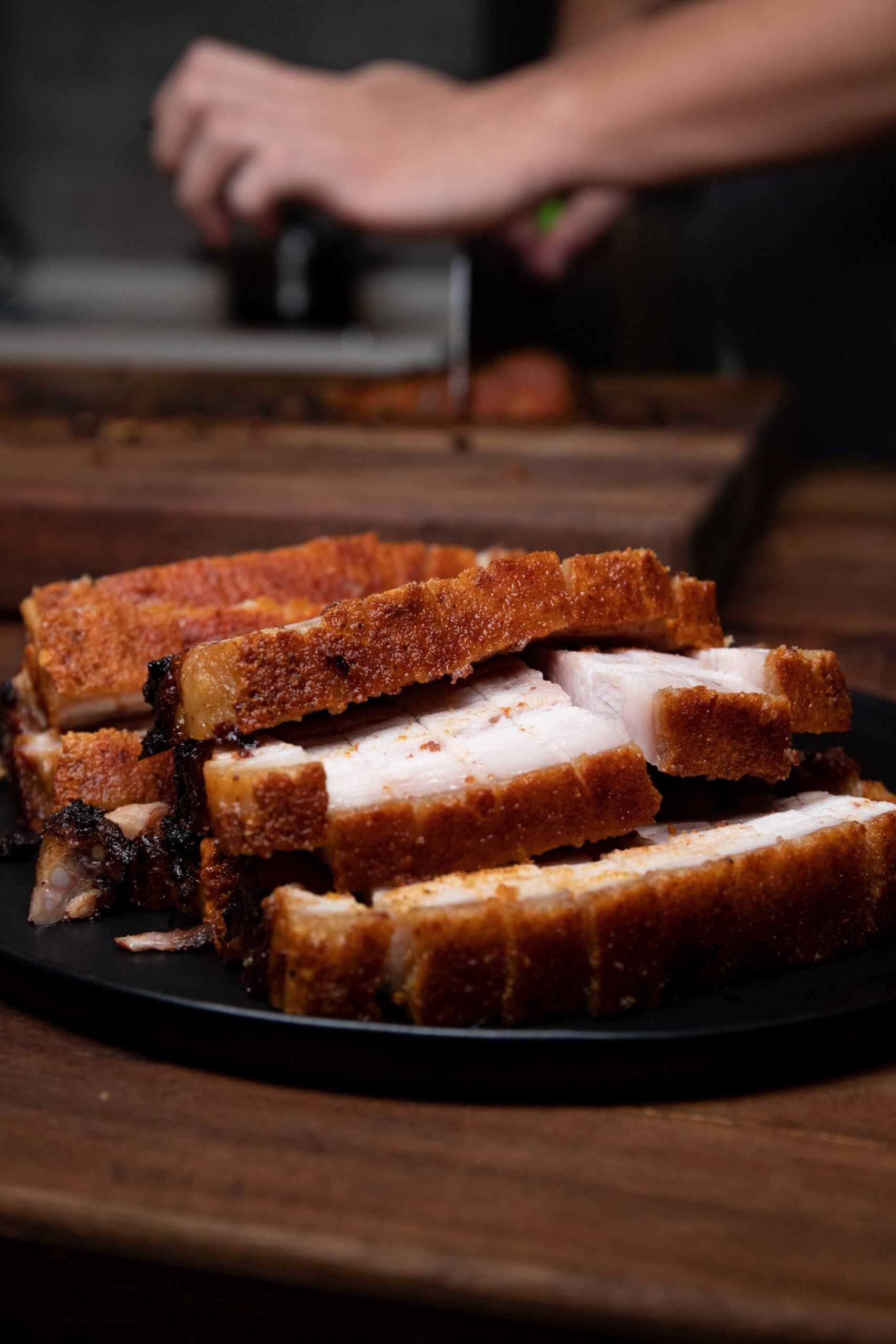
Why You’ll Love This Dutch Speklappen Recipe
- Rich and savory: Proper browning renders the pork fat and creates crisp, caramelized edges.
- Three cooking methods: Use a skillet for direct control, a grill if you want to cook outside or the air fryer for less splatter.
- Quick to cook: Thin pork belly slices need a fraction of the cooking time required for a whole pork belly.
Ingredients and Substitutions
- Fresh pork belly slices: Choose boneless, uncured slices with visible layers of meat and fat. Skinless pork belly is easiest for this quick cooking method.
- Salt and black pepper: Use less salt or omit it if the pork is already seasoned or marinated.
- Neutral cooking oil: Pork belly releases plenty of fat, so you’ll only need oil if your skillet tends to stick.
If you can find Dutch speklappenkruiden, use that in place of the salt and pepper. Spice blends vary, although paprika, pepper, coriander, garlic and onion are common additions.
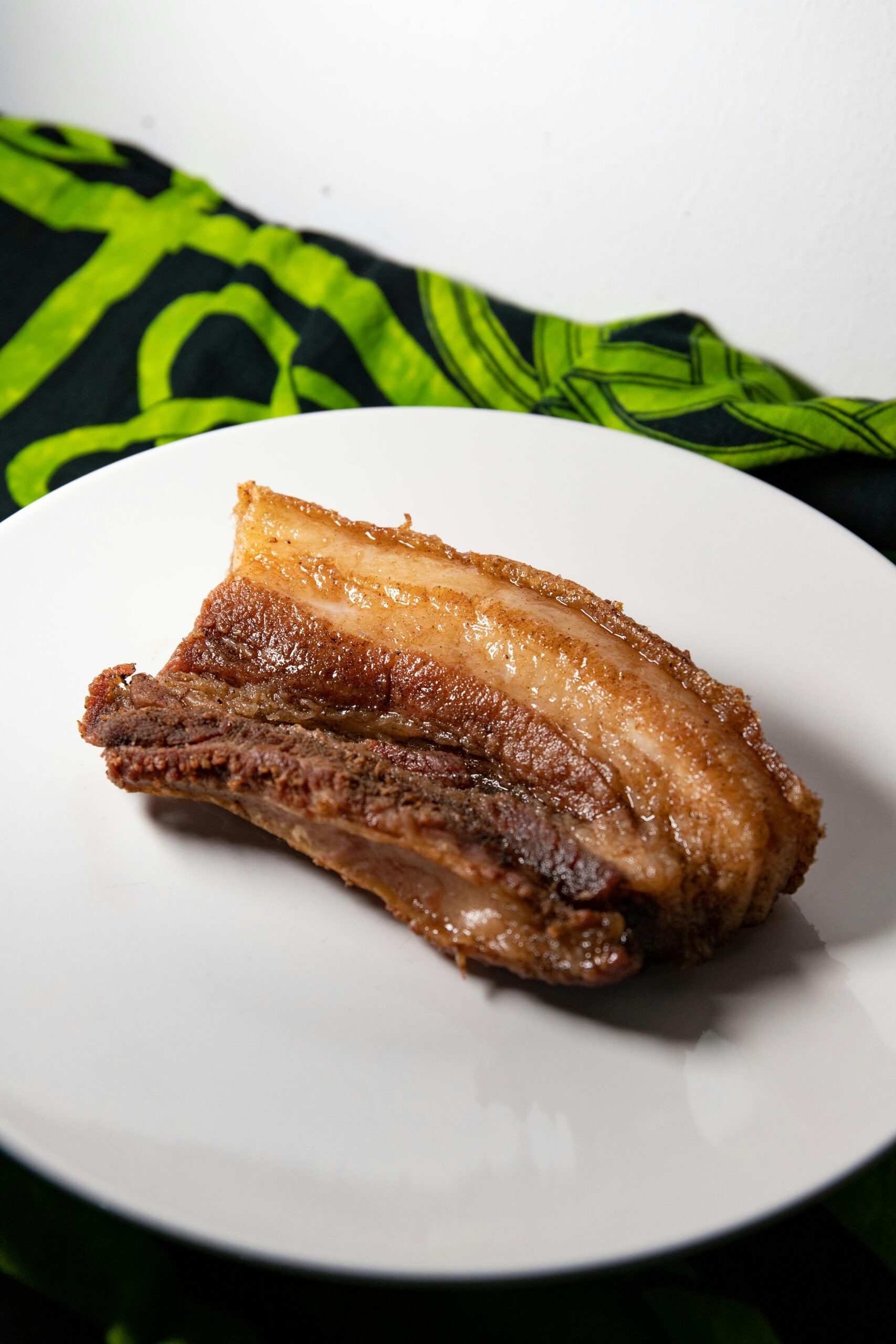
Dutch Speklappen (Crispy Pork Belly Slices)
Ingredients
- 4 speklappen or speklapjes (thick pork belly strips)
- ½ teaspoon fine salt
- ¼ teaspoon black pepper
- cooking oil (only if needed)
Method
- Preheat the grill to medium heat, about 375 to 400°F (190 to 205°C), and set up separate direct and indirect heat areas.
- Pat the speklappen dry and season both sides. Lightly oil the grill grates to prevent sticking.
- Place the pork over indirect heat. Close the lid and grill for 10 to 15 minutes, turning every few minutes.
- Move the speklappen over direct heat for 1 or 2 minutes per side to brown and crisp the edges. Watch closely for flare-ups from the rendered fat.
- Check that the thickest meaty section has reached at least 145°F (63°C). Rest the pork for 3 minutes before serving.
- Pat the pork belly slices dry with paper towels and season both sides with salt and black pepper.
- Set a heavy skillet over medium heat. Add the oil if your pan tends to stick.
- Arrange the speklappen in one layer. Cook for 10 to 15 minutes, turning every 2 or 3 minutes. Lower the heat if the meat darkens before the fat has browned.
- Check that the thickest meaty section has reached at least 145°F (63°C). Transfer the pork to a plate and rest it for 3 minutes.
- Preheat the air fryer to 360°F (180°C) if required by your model.
- Pat the pork dry, season both sides and arrange the slices in one layer in the basket.
- Air fry for 10 to 15 minutes, turning halfway through. Begin checking very thin slices after 8 minutes.
- Check that the thickest meaty section has reached at least 145°F (63°C), then rest the pork for 3 minutes.
Notes
- Cooking time depends on the thickness of the pork belly slices. Begin checking very thin speklapjes after 8 minutes.
- Use skinless pork belly for these quick cooking methods. Thick rind needs longer cooking to become crisp.
- Speklappen release plenty of fat, so you normally won’t need oil in a skillet or air fryer.
- Omit the salt if your pork belly is already seasoned or marinated.
- Add ketjap manis, honey or other sweet sauces during the final 1 or 2 minutes so they don’t burn.
- Cook the slices in one layer. Crowding traps steam and prevents the edges from browning.
- Drain the rendered fat from the air fryer drawer before cooking another batch.
- Keep a cooler section available when grilling. Pork belly fat can cause sudden flare-ups over direct heat.
- Cook the pork to at least 145°F (63°C) in the thickest meaty section, then rest it for 3 minutes.
How to Get Crisp Speklapjes
- Dry the surface: Moisture delays browning, so I always blot the pork belly with paper towels before seasoning it.
- Use moderate heat: Very high heat can scorch the meat before enough fat has rendered.
- Leave room around each slice: Crowding traps steam and slows browning. You can cook in batches if necessary.
- Turn the pork regularly: Frequent turning helps the meat cook evenly and reduces the chance of burnt patches.
- Add sweet sauces late: Ketjap manis, honey and sweet chili sauce can burn. I always brush them on during the final minute or two.

Seasoning Variations
- Dutch seasoned speklappen: Use speklappenkruiden from a Dutch grocery store, or add paprika, garlic powder and a small pinch of ground coriander to the basic seasoning.
- Ketjap and sambal: Mix sweet soy sauce (ketjap manis) with sambal and brush it onto the pork near the end of cooking. This is a good choice if you enjoy a sweet and spicy sauce.
- Smoky paprika: Season the slices with smoked paprika, garlic powder, salt and black pepper before cooking.
Serving Suggestions
A traditional Dutch plate might include speklappen, boiled, mashed or spicy roasted potatoes, green beans or cabbage and applesauce. They’re also a natural fit with Dutch kale stamppot. The rich pork and crisp edges contrast nicely with soft mashed potatoes.
For Dutch-Indonesian flavors, coat the pork with ketjap and sambal and add rice, noodles or stir-fried vegetables. You can also add a pan gravy to plainly seasoned speklappen.
Storage and Reheating
Refrigerate leftover speklappen in an airtight container within 2 hours of cooking and eat them within 3 or 4 days. Reheat them in a skillet over medium-low heat or in the air fryer at 350°F (175°C) for 3 to 5 minutes. The microwave heats the pork quickly, but find the edges soften.
Speklappen FAQs
What is the difference between speklappen and speklapjes?
Speklappen is the plural of speklap. Speklapjes is a diminutive plural. Both terms are commonly used for the thin pork belly slices used in this Dutch speklappen recipe.
Are speklappen the same as bacon?
No. Speklappen are fresh pork belly slices. Bacon has been cured and may also be smoked, so it has a different salt level, flavor and texture, and is usually more thinly sliced than belly pork.
Do I need oil to fry speklappen?
Usually not. Pork belly releases plenty of its own fat. A small amount of oil can help at the beginning if you aren’t using a nonstick or well-seasoned skillet.
Why are my speklapjes chewy?
The fat may not have had enough time to render. Reduce the heat slightly and cook them for a few more minutes, turning regularly. Thicker slices will take longer than thin ones.
Can I cook thick pork belly slices this way?
Yes, although they’ll need more time over medium-low heat. Use a meat thermometer to check the thickest section and don’t judge doneness by color alone.
Can I use pork belly with the skin attached?
You can. Thick rind won’t become evenly crisp during this short cooking time, so use skinless slices for this recipe if possible.

Browse my pork recipes for more ideas, including pork steaks in mustard sauce and pork and shrimp wonton soup.