Indoor Smoker Recipes and How to Choose a Smoker
This post contains affiliate links. As an Amazon Associate I earn from qualifying purchases.
You don’t need a backyard to make smoked beef, salmon or vegetables. Indoor smoker recipes use either a covered pan on the stove or an electric smoker made for the kitchen. A stovetop smoker takes up little room, while a countertop pellet smoker is a bigger appliance with its own controls and cooking settings.
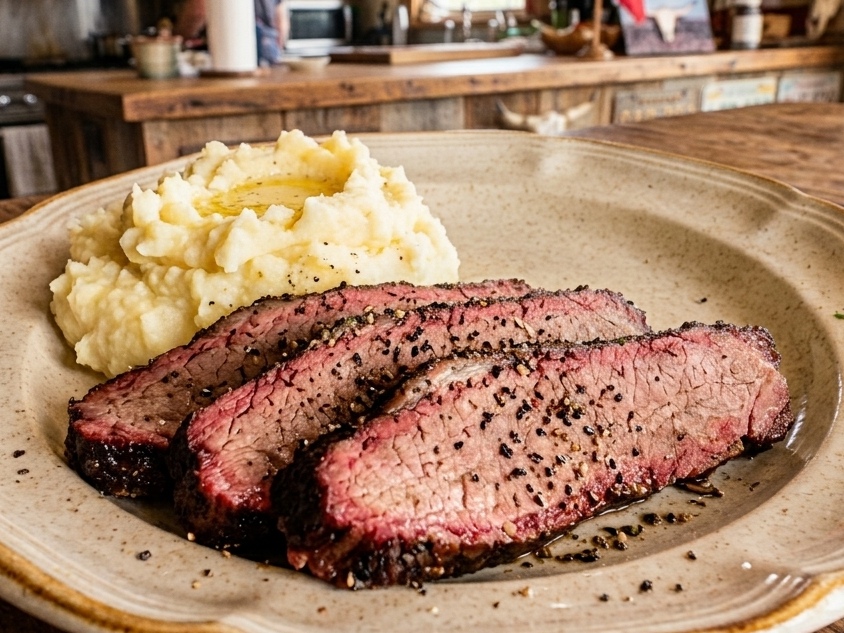
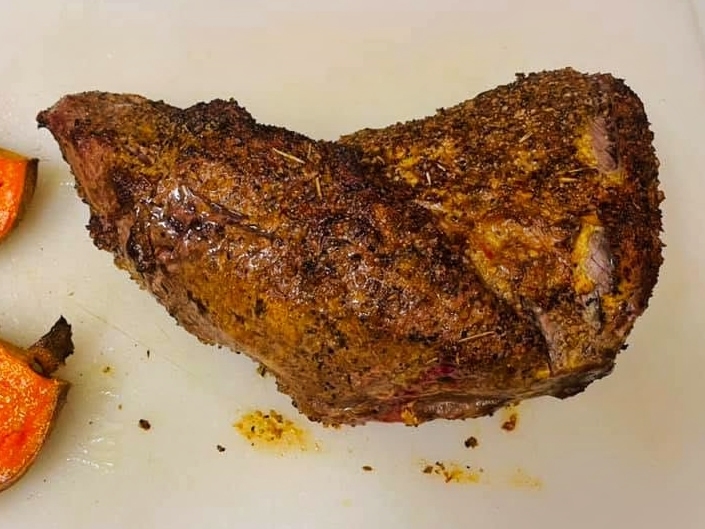
For my indoor smoked tri-tip, you season the beef with a dry rub, smoke it on the stove and finish it with the broiler [grill] to brown the outside. Serve the slices with mashed potatoes and vegetables, or pile them into sandwiches.
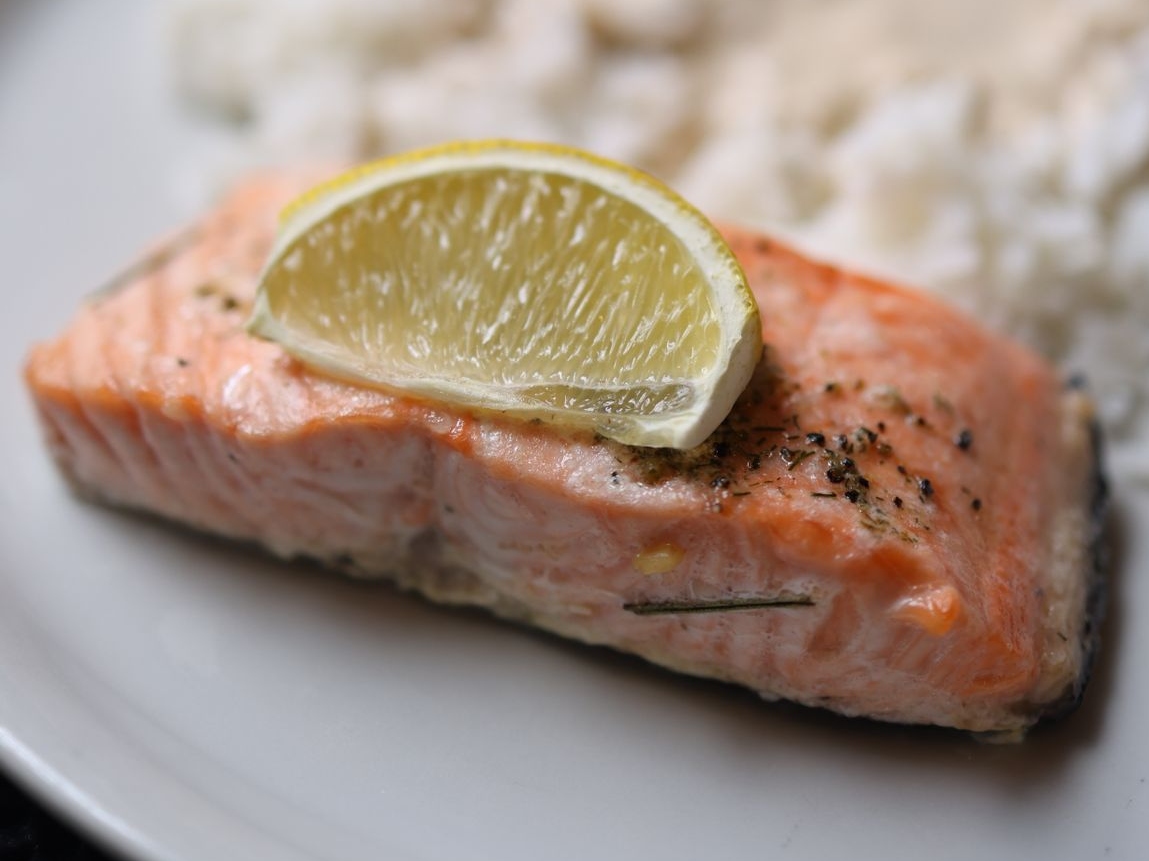
You’ll also find recipes for lemon-pepper salmon and smoked almonds. If you haven’t bought a smoker yet, the comparison below explains the differences between 3 popular models, including what you’ll need in your kitchen to use them.
Choosing an Indoor Smoker
Before buying, check that the smoker is approved for indoor use. Plenty of electric smokers are outdoor appliances. Next, measure the space you have and check the ventilation instructions: Nordic Ware’s kettle smoker, for example, requires an exhaust fan that vents outdoors.
A stovetop smoker suits this tri-tip recipe. The GE Profile is a different setup, using pellets and electric controls, so it needs its own recipe settings. Here’s how the 3 options compare.
| Smoker | Design, Features and Buying Checks |
|---|---|
| Camerons Large Stovetop Smoker | Design: Stainless steel stovetop pan using wood chips. Features: Rack, drip tray and sliding lid, with foldaway handles and dishwasher-safe components. Before Buying: Check the roast fits, the pan suits your burner and your cooktop allows cookware of this size. |
| Nordic Ware 36550 Kettle Smoker | Design: Domed stovetop smoker using wood chips. Features: High lid; designed for indoor stovetop or outdoor use. Before Buying: Requires an exhaust fan vented outdoors. Hand washing is recommended. Follow its own heat instructions. |
| GE Profile Smart Indoor Pellet Smoker | Design: Electric countertop smoker using food-smoking pellets. Features: Active smoke filtration, adjustable smoke settings and Wi-Fi connection. Before Buying: Check counter space and the clearances in the manual. It can’t cold-smoke, and stovetop cooking times don’t apply. |
You can check the current prices and availability through the product links. With a stovetop model, check that the pan fits your burner and that your cooktop manufacturer allows cookware of that size. With the GE Profile, check the counter space and clearances in its manual.
Indoor Smoker vs Outdoor Smoker
The main difference is where the appliance is designed to operate. A stovetop smoker holds the smoking wood and food in a covered pan; the GE Profile filters the smoke inside a countertop appliance. Both need the setup described in their manuals. An outdoor smoker must stay outdoors, even if it runs on electricity.
Capacity matters too. Check the rack dimensions against the foods you want to cook, whether that’s a side of salmon, ribs or a roast. Indoor and outdoor models come in different sizes, and a recipe written for one smoker may need different settings in another.
Indoor Smoker vs Indoor Grill
An indoor grill browns food on a hot cooking surface. An indoor smoker adds wood-smoked flavor. If you want both smoke and a browned crust, you can smoke the meat first and finish it with a broiler, as my tri-tip recipe does. Don’t add wood to an indoor grill unless its instructions specifically allow smoking.
The names can be confusing. A “smokeless” indoor grill isn’t necessarily a smoker, and the Ninja Woodfire is for outdoor use. Check the exact model, not just the brand, when making indoor smoker recipes.
Stovetop Smoked Tri-Tip at a Glance
- Prep time: 10 minutes
- Cook time: About 40 minutes
- Rest time: 10 minutes
- Total time: About 1 hour, plus optional seasoning time
- Servings: 4
- Main ingredients: Tri-tip roast, dry rub, salt and black pepper
- Cooking method: Stovetop smoking, then broiling
- Storage: Refrigerate for 3 to 4 days
Why Make Smoked Tri-Tip?
- You can smoke the beef on the stove, then use the broiler (UK: grill) to brown the outside.
- A store-bought dry rub makes the seasoning simple, or you can use your own blend, as you prefer.
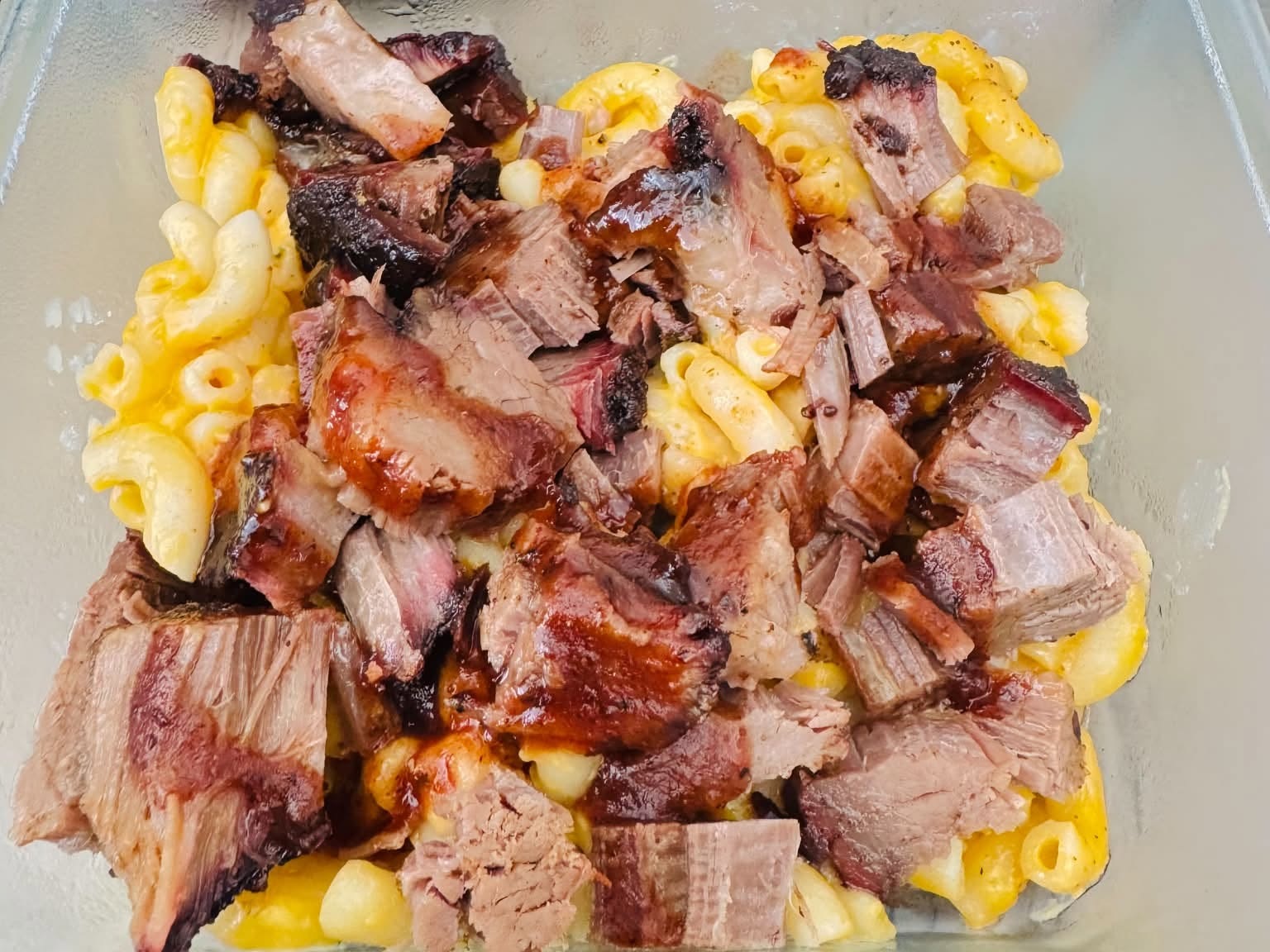
- The sliced roast is really good with potatoes and vegetables, and leftovers make a good sandwich filling or even tri-tip mac and cheese.
Ingredient Notes for Smoked Tri-Tip
- Tri-tip: Choose a roast that fits on your smoker rack with clearance around it and enough room to close the lid. Trim tough silverskin and excessive surface fat if your butcher hasn’t already done it.
- Dry rub: Use your favorite beef rub and check its salt content before adding extra salt. Watch sugary rubs closely under the broiler so they don’t burn.
- Salt and black pepper: Adjust these to the rub and your taste. Indoor smoker recipes like this simple tri-tip doesn’t need a separate marinade.
- Smoking wood: Buy wood intended for food smoking and check the chip size in your smoker’s manual. Stovetop chips and pellets aren’t interchangeable.
You’ll also need suitable food-smoking wood chips, measuring spoons, a knife, a cutting board, tongs, oven mitts, aluminum foil and a broiler-safe pan with a rack. You can use the smoker’s supplied chips to begin if they work with the recipe, or buy the exact chip size the instruction manual specifies.
Substitutions and Variations
- Dry rub: Try a peppery or garlicky beef rub, or one with paprika. Adjust any extra salt to suit the blend.
- Smoking wood: Use another food-smoking wood recommended for your smoker, sticking with the chip size and quantity in its manual.
- Roast size: A smaller tri-tip may fit your pan better. Check it earlier and expect fewer servings.
- Serving ideas: Add the slices to sandwiches, or serve with mashed potatoes, roasted carrots and a green salad.
Tips for Smoking Tri-Tip Indoors
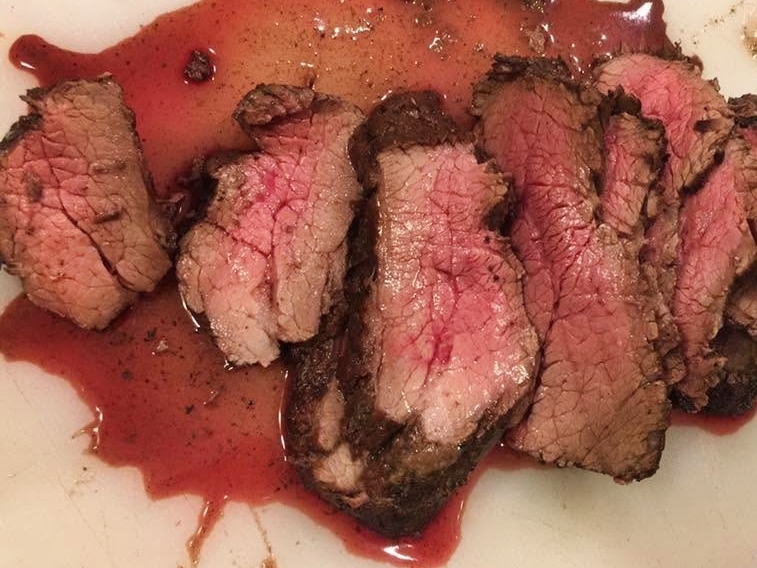
- Tri-tip’s grain changes direction. Divide the cooked roast where the direction changes, then slice each piece across the grain.
- Keep the broiler finish brief and watch the rub for scorching. If the crust is brown before the center reaches temperature, finish the beef in the oven.
- Seasoning ahead is optional. If you do, cover the beef and keep it in the refrigerator until you’re ready to cook.
How to Store Smoked Tri-Tip
- Refrigerate: Transfer leftovers to shallow covered containers and refrigerate within 2 hours, or within 1 hour when the surrounding temperature exceeds 90°F (32°C). Keep the refrigerator at 40°F (4°C) or below and use the beef within 3 to 4 days.
- Freeze: Package cooled portions airtight and freeze at 0°F (-18°C) or below. Use within 2 to 6 months for best quality.
- Thaw: Thaw frozen portions in the refrigerator.
- Reheat: Add a little broth to the beef in a covered oven-safe dish and heat until the center reaches 165°F (74°C).
- Make ahead: Season the raw roast, cover and refrigerate for up to 8 hours before cooking, provided it remains within its use-by date.
Stovetop Smoked Tri-Tip
Ingredients
- 2 pounds (907g) tri-tip roast, trimmed as needed
- Beef dry rub, to taste
- Salt, to taste, if needed
- Freshly ground black pepper, to taste
Equipment
- Large indoor stovetop smoker with lid
- Smoker drip tray and rack
- Instant-read food thermometer
- Measuring spoons
- Knife
- Cutting board
- Tongs
- Oven mitts
- Broiler-safe pan and rack
- Food-smoking wood chips in the quantity and size specified for your stovetop smoker. The Camerons general guide uses 1 to 1 ½ tablespoons.
Method
- Check that the roast fits on the smoker rack with clearance around it and that the lid closes. Read the smoker’s manual and arrange the required kitchen ventilation before heating it.
- Season the beef all over with dry rub and black pepper. Add salt only if needed, accounting for salt already in the rub. Cook straight away or cover and refrigerate for up to 8 hours before cooking.
- Add the specified quantity of food-smoking wood chips to the smoker base. Fit the drip tray and rack according to the manual, then add the beef. If the manual permits it, line the drip tray with foil for cleanup.
- Follow your model’s heat and lid instructions. For the Camerons method, center the pan over a suitable burner on medium heat, leaving the sliding lid slightly open until the first wisp of smoke appears. Close the lid completely and start timing. Other stovetop models may require a different heat setting.
- Smoke for about 30 minutes, checking earlier for a smaller or flatter roast. Check the thickest part with a food thermometer. The roast may need more or less time depending on its thickness and your smoker.
- Preheat the broiler [grill]. Transfer the beef immediately to a broiler-safe pan with a rack. Position it about 6 inches (15cm) from the heat, following your broiler’s instructions. Broil to brown the outside, flipping with tongs. Allow about 4 minutes per side as an estimate and watch closely so the rub doesn’t burn. Check that the thickest part reaches at least 145°F (63°C) before removing it from the heat. If it needs longer, continue cooking and checking; use a 350°F (180°C) oven to finish if the crust is already brown.
- Rest for 10 minutes, then slice across the grain. Divide the roast into sections if needed so you can follow its changing grain direction.
Notes
- Cooking times are approximate. Check the beef with a thermometer and allow longer if needed. The total time includes the 10-minute rest but excludes optional refrigerated seasoning time.
- Use wood intended for food smoking. Follow the exact smoker’s chip quantity, chip size, heat, ventilation and lid instructions.
- This is a stovetop-smoker method. Use a model-specific recipe for an electric indoor pellet smoker.
- Check the rub for salt before adding extra; sugary rubs need close attention during broiling.
- Cook the beef to at least 145°F (63°C) and rest for at least 3 minutes. This recipe allows a 10-minute rest.
- Refrigerate leftovers promptly in shallow covered containers and use within 3 to 4 days. Freeze airtight portions for 2 to 6 months for best quality. Thaw in the refrigerator and reheat to 165°F (74°C).
Handy Equipment for Indoor Smoker Recipes
- Large stovetop smoker: Holds the wood chips, drip tray, rack and roast. Check that your protein fits in there before you start!
- Instant-read food thermometer: Checks the center of your meat after smoking and during finishing. Don’t leave an instant-read thermometer inside the smoker or broiler.
How to Use a Stovetop Smoker
In a stovetop smoker, the wood goes in the base, the drip tray catches the juices and the food cooks on a rack above it. The lid needs to close around the roast. I recommend using the chip quantity, heat setting and ventilation instructions for your model for your indoor smoker recipes.
With the Camerons smoker, you close the lid fully when the first wisp of smoke appears. Keep an eye on the pan while it cooks and use oven mitts to handle it. The recipe card gives the full method; a Nordic Ware smoker needs its own heat instructions.
Stovetop Smoked Lemon-Pepper Salmon
Ingredients
- 2 skin-on salmon fillets, about 6 ounces (170g) each and ¾ to 1 inch (2 to 2.5cm) thick
- Freshly ground black pepper, to taste
- Lemon juice, to taste
Equipment
- 1 ½ tablespoons food-smoking alder chips for the Camerons smoker
Method
- Add the chips to the smoker base, then fit the drip tray and rack.
- Arrange the salmon skin-side down. Add pepper and lemon juice.
- Smoke over medium heat, closing the lid when smoke appears. Allow about 25 minutes, checking earlier for small fillets. Cook to 145°F (63°C) in the thickest part.
Notes
- Follow the ventilation instructions and allow longer if needed.
- This is cooked salmon, not cured or cold-smoked salmon.
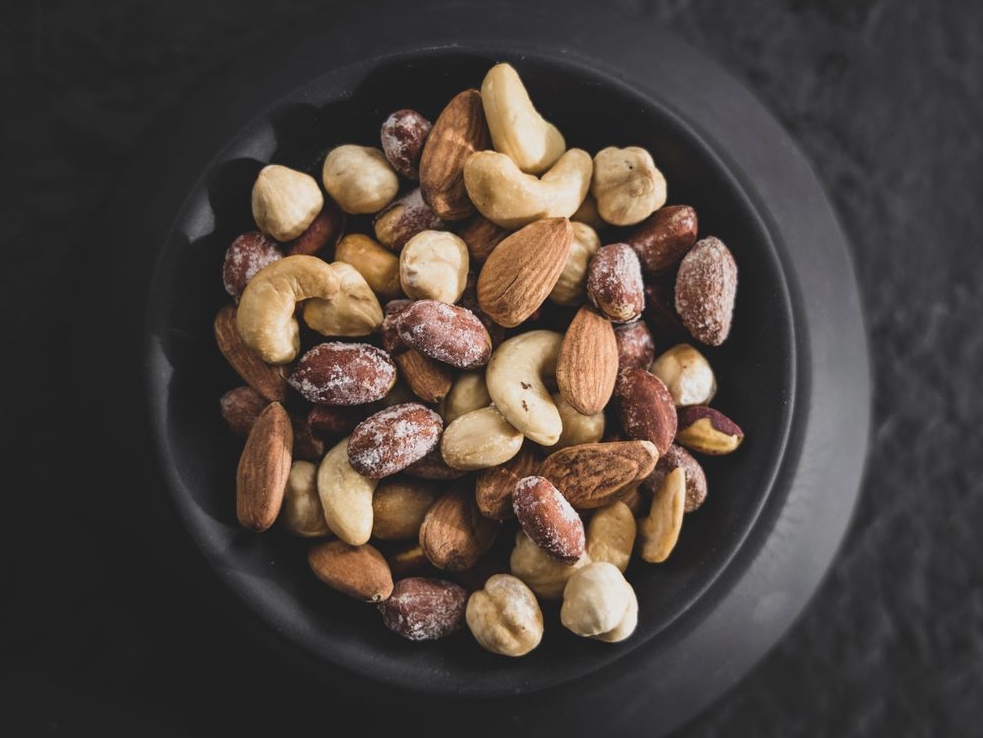
Stovetop Smoked Nuts
Ingredients
- 5 ounces (142g) ready-to-eat whole mixed nuts, plain or salted
Equipment
- 1 tablespoon food-smoking hickory chips for the Camerons smoker
Method
- Set up the smoker with chips, drip tray and rack. Spread the nuts in a shallow foil tray on the rack.
- Smoke over medium heat for about 10 minutes from the first smoke, with the lid closed.
- Remove the tray with oven mitts and let the almonds cool before serving.
Notes
- Makes about 4 snack portions.
- Keep the layer shallow and follow the smoker’s ventilation instructions.
The salmon and nuts methods draw on the Camerons cooking guide, with portion sizes selected for this post. The salmon temperature follows FoodSafety.gov guidance. Use recipes written for your appliance if you have a different smoker.
More Indoor Smoker Recipes and Ideas
- Salmon and other fish: Hot-smoked fish is good served with potatoes and a squeeze of lemon. Follow a recipe for your smoker and cook the thickest part to 145°F (63°C).
- Chicken: Smoke chicken pieces that fit comfortably in the pan, then brown the skin separately if needed. The center must reach 165°F (74°C).
- Beef burgers: A broiler finish browns smoked patties before they go into buns. Follow a recipe for your smoker and cook ground beef to 160°F (71°C).
- Vegetables and tofu: Smoked mushrooms and tomatoes can go into pasta, while firm tofu goes with rice and vegetables. Check your smoker’s recipe guide for the method.
- Cheese: Smoking cheese needs a recipe written for your smoker. Hot smoking and cold smoking use different methods, and the GE Profile can’t cold-smoke.
For more model-specific ideas, the Camerons smoker guide includes recipes for meat, seafood and vegetables. Use safe internal temperatures with cooking-time estimates.
Indoor Smoker FAQs
A smoking gun adds smoke flavor but doesn’t cook raw meat. Cook the food using a suitable cooking method and check its safe internal temperature; follow the smoking gun’s instructions for applying smoke.
You should use only fuel intended for food smoking and approved for your appliance. Heating pellets aren’t a substitute for cooking pellets. A stovetop smoker may require finely cut chips instead of pellets.
Too much smoking wood, excessive smoking or unsuitable fuel can cause an unpleasant flavor. It’s best to start with the amount in your smoker’s instructions and use wood intended for food smoking.
No. Color does not establish safe doneness, and a smoke ring isn’t required for smoked beef. Check the thickest part with a food thermometer.
I’d check the exact model’s voltage, frequency, plug and manufacturer-approved use before buying. A travel plug adapter doesn’t convert voltage. For a stovetop model, check compatibility with your hob and the manufacturer’s ventilation requirements.
Other Smoky Recipes
- Chinese tea smoked chicken is an unusual dish but worth trying for the subtle smoky flavor.
- And my smoked salmon mousse makes a delicious appetizer.
- Find out what wok hei is all about and how to get this mouthwatering smoky flavor when stir frying.
- This unusual grilled lettuce with goat cheese is another fun use for your outdoor grill or indoor smoker, if you’re browsing appetizer or side dish indoor smoker recipes.