What is Wok Hei? Meaning, Definition and How to Get Wok Hei at Home
This post contains affiliate links. As an Amazon Associate I earn from qualifying purchases.
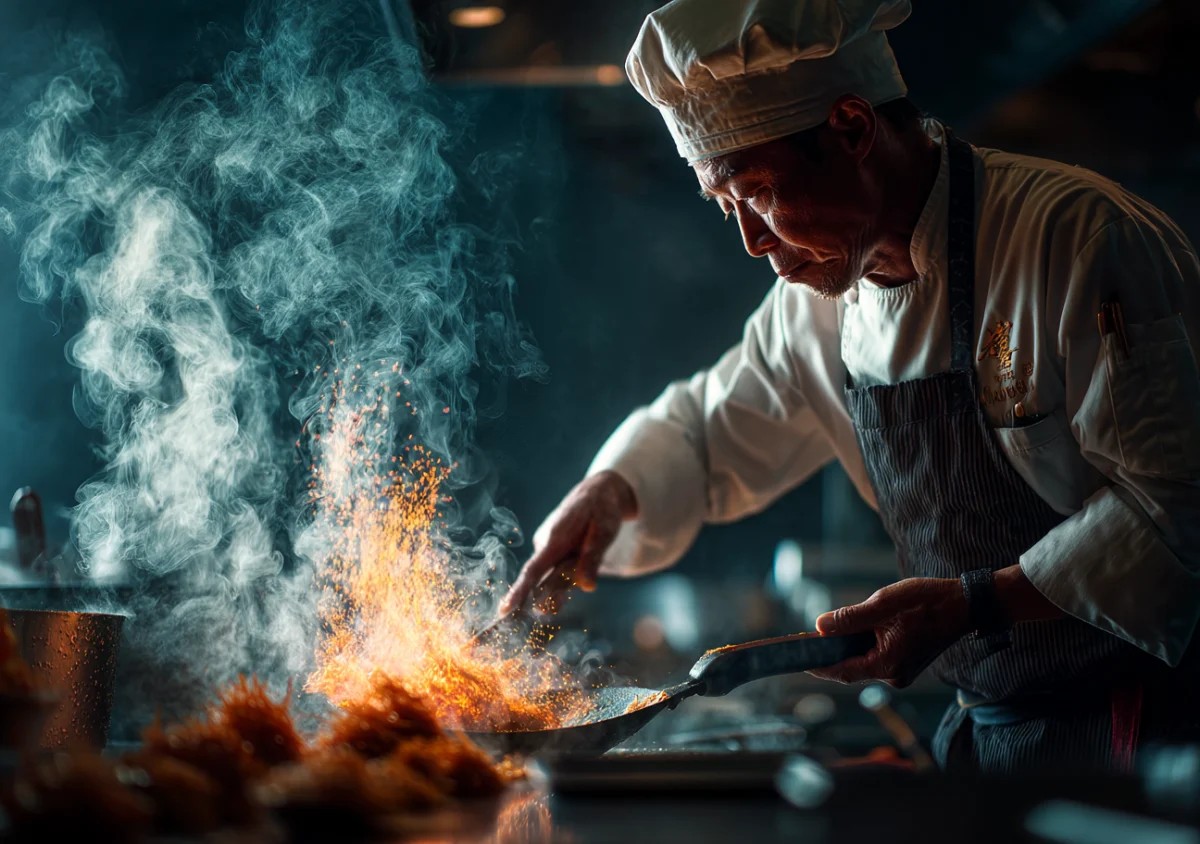
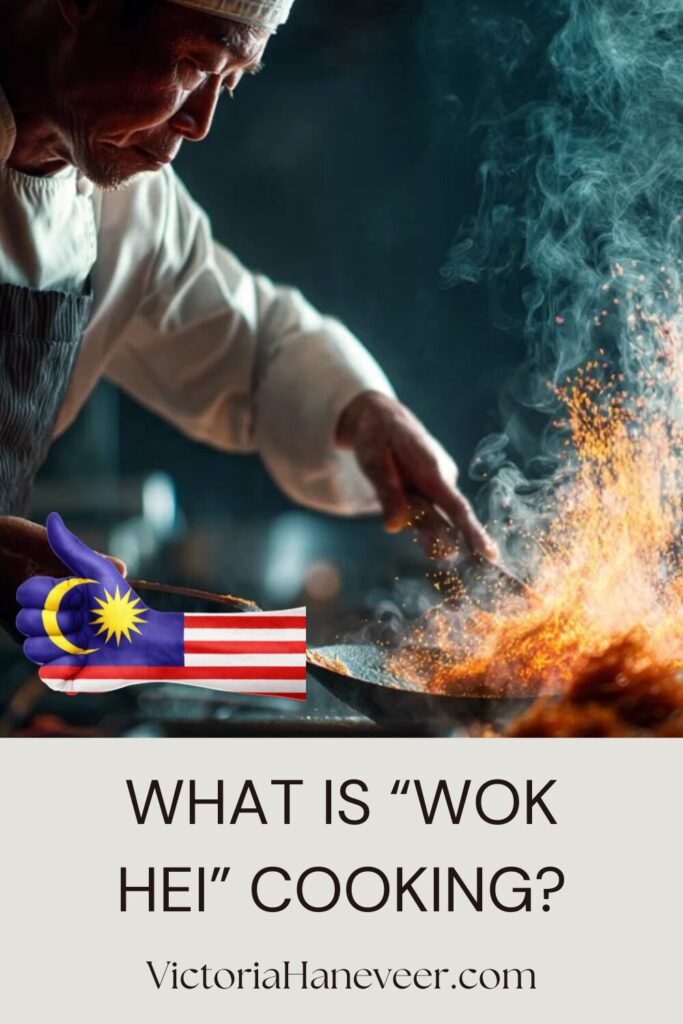
Wok hei is the smoky, singed quality that gives a good stir-fry its edge. The term comes from Cantonese and is often translated as “breath of the wok.” It’s tied to very high heat, fast movement and the way oil, sauce and food hit the metal during cooking.
If you’ve ever wondered why restaurant fried noodles or fried rice taste different from home-cooked versions, wok hei is part of the answer. It is especially relevant to dishes cooked quickly over strong heat, including several recipes on my Malaysian recipes hub including char kway teow, mee goreng and nasi goreng.
Wok Hei Meaning
The wok hei definition is fairly simple once you strip away the mystery. It refers to the charred, smoky, slightly toasted character that develops when food is cooked in a very hot wok. It’s not just smoke and it is not just browning. It comes from heat, oil, motion and speed all working together.
You’ll see wok hei discussed most often in relation to Cantonese cooking, but the idea goes far beyond any one cuisine. Any dish that depends on fierce wok cooking can pick up that same quality, which is one reason it’s so relevant in Malaysian noodle and rice dishes too.
It’s not something you can pour in from a bottle. It’s not a seasoning blend. It’s a cooking effect, and that’s why people talk about it so much when they are trying to recreate those amazing restaurant stir-fries at home.
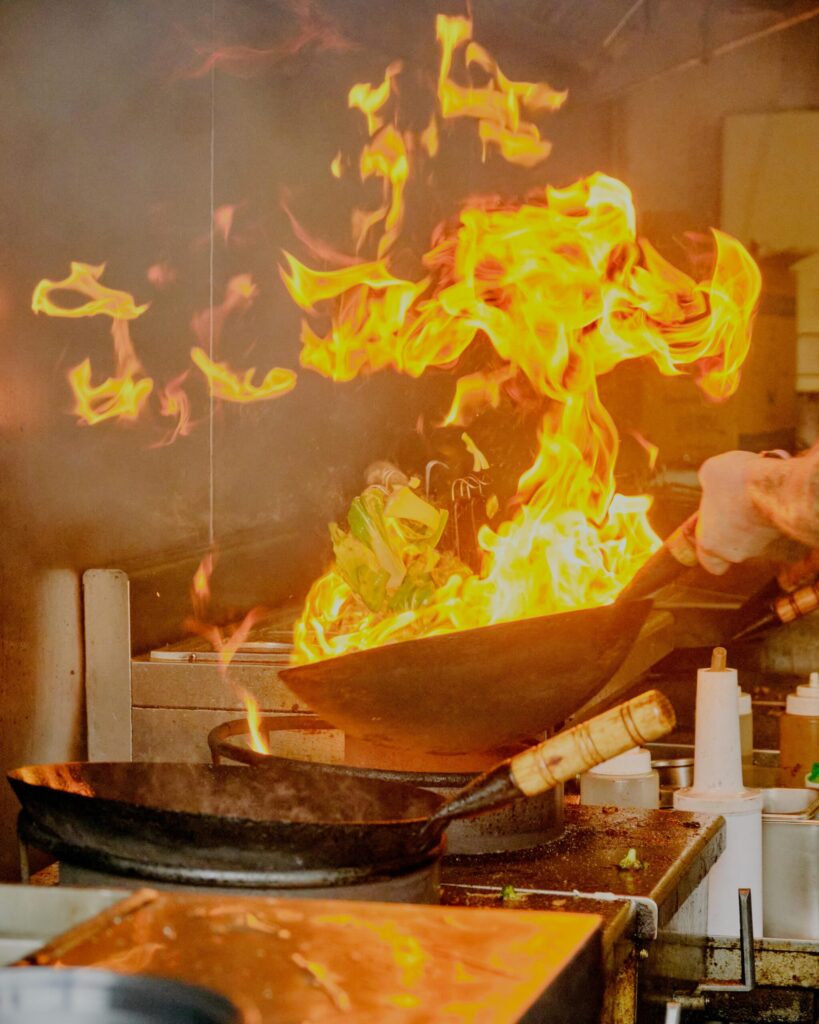
Image Credit: Christian V, on Flickr
Why Wok Hei Matters
Wok hei changes the final dish in a way that’s easy to notice. Fried noodles cooked over a weak heat can still be good, but they aren’t going to have that same edge. With proper wok hei, the noodles or rice pick up more color, a bit of char and a more developed pan flavor.
That’s a big part of why some stir-fried dishes vary so much from one kitchen to another. The ingredients might be similar, but the heat and the cooking style change the finished result.
How to Get Wok Hei at Home
Wok hei at home is possible but it’s not easy. The main problem is heat. Restaurant wok burners are much stronger than standard home burners (especially my lame electric ones I currently have!) and that changes everything.
A professional burner can keep your wok fiercely hot even after noodles, rice or vegetables go in. A home burner will lose ground more quickly.
That’s why home stir-fries often release more steam than they should. Once the wok temperature drops, the food starts softening and sweating before it has a chance to pick up that scorched wok flavor.
Getting wok hei at home is possible to a point, but you have to work with the limits of a home kitchen. Start by heating the wok properly before any oil goes in. Use a small enough batch that the food has room to fry. And you have to keep everything moving once it hits the pan.
Dry ingredients also help. Wet noodles, wet vegetables and crowded pans are all going to pull the temperature down fast. For fried rice, use cooked rice that’s dry enough to separate well.
For noodles, loosen them first with fingers or fork and make sure your sauce is measured and ready before you start cooking.
Another useful habit is cooking in stages. I always brown the protein first, take it out, then cook the noodles or rice, and put everything back in at the end. That is one of the best cooking tips to keeps the wok from filling up too early and losing too much of that all-important heat.
Can You Fake Wok Hei?
Not really. You can get close enough to improve a dish, but actual wok hei comes from the cooking itself. That is why bottled shortcuts are never going to fully replace it.
You can still push a stir-fry in the right direction at home by using stronger preheating, smaller batches and less crowding. That will get you nearer to the real thing than adding extra sauce ever will.
What About Wok Hei Oil?
You might see products sold as wok hei oil. These are usually flavored oils made to add a smoky note to stir-fries. They can add aroma, but they are not the same as real wok hei.
That distinction matters. Wok hei oil can contribute one part of the effect, but it won’t create the flavor that comes from very hot metal, moving oil and quick frying. Wok hei oils are closer to a smoky accent than a substitute for technique.
Which Dishes Need Wok Hei Most?
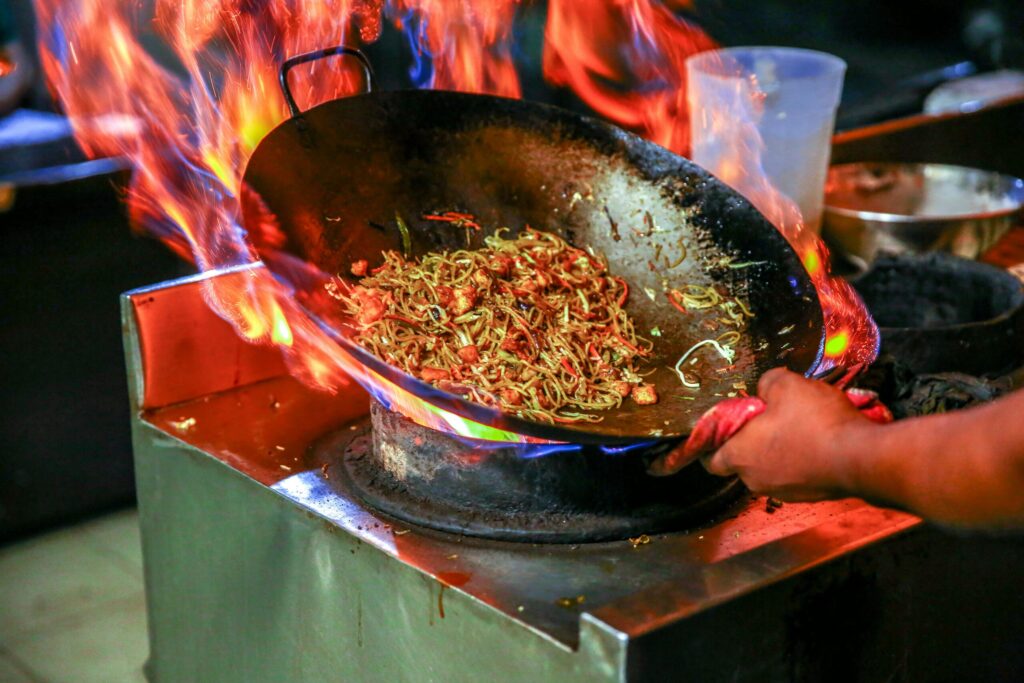
The dishes that depend on fast stir-frying tend to benefit most. Fried noodles and fried rice are the clearest examples. In Malaysian cooking, that usually means noodle dishes such as char kway teow and mee goreng, plus rice dishes such as nasi goreng.
Not every wok dish needs a fierce char. Some stir-fries are more about sauce and timing than open heat flavor. But when a dish is known for a smoky wok-cooked edge, wok hei becomes part of what people expect from it.
Wok Hei in Malaysian Cooking
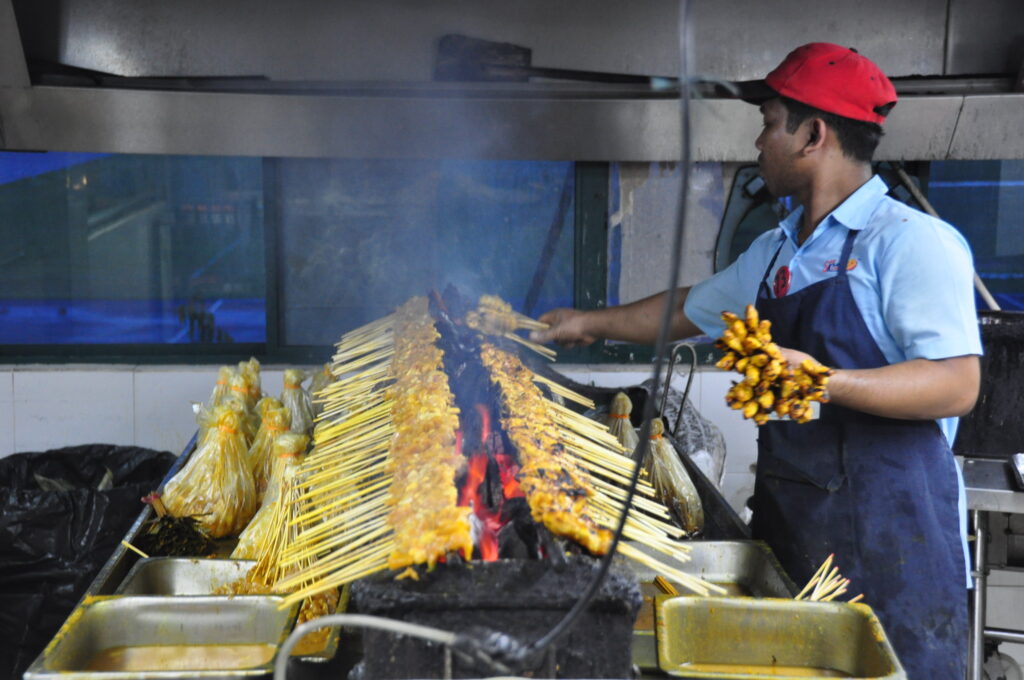
Wok hei is especially relevant if you cook from my Malaysian recipes hub. It matters most in recipes where fast wok cooking changes the flavor of the noodles or rice, not just the texture.
Char kway teow is the clearest example. It is cooked fast, over high heat, and that slight char is part of the dish. Mee goreng has a saucier finish, but strong pan heat still makes a difference. Nasi goreng also benefits from quick wok cooking, especially when the rice is dry enough to fry properly.
What Wok Hei is Not
Wok hei isn’t just burn marks on the food. It isn’t a puddle of dark soy sauce and it’s not smoke for the sake of smoke. You won’t get it by leaving food in the pan too long over a medium heat.
It also doesn’t apply to every Asian dish. A recipe can still be authentic, well-cooked and delicious without this particular quality. Wok hei is most important in dishes that depend on hard, fast wok cooking.
Wok Hei at Home: The Best Mindset
Instead of chasing perfection on a domestic burner, it’s more about getting as close as your stove will allow, then using good habits every time:
- Preheat properly.
- Work in smaller batches.
- Prep everything before turning on the heat.
- Keep moisture under control.
That’s usually enough to make a real difference. Even when you don’t hit full restaurant-level wok hei, you still get a better stir-fry from a hotter wok and a quicker cook.
Wok Hei and Swicy Sauces
If you’re interested in bold pan-cooked flavors, you might also like my post on swicy food. Sweet-spicy sauces and wok cooking are not the same subject, but they often meet in stir-fries and noodle dishes where sugar, chili and strong heat all play a part.
That overlap is one reason wok-cooked dishes can have such a distinct finish. Heat changes the sauce as well as the noodles, rice or protein in the pan.
Wok Hei FAQs
What does wok hei mean?
Wok hei is a Cantonese term often translated as “breath of the wok.” It refers to the smoky, singed quality created by very hot wok cooking.
What is the best wok hei definition?
A simple definition is the flavor and aroma produced by fast stir-frying over intense heat in a wok.
Can you get wok hei at home?
Yes, to a degree. A very hot wok, small batches and quick cooking all help, though home burners are usually weaker than restaurant wok burners.
Is wok hei the same as the Maillard reaction?
No. They’re related, but they are not the same thing. The Maillard reaction is the browning that happens when proteins and sugars react under heat, which is part of what gives cooked food deeper flavor and color.
Wok hei is broader than that. It comes from very high wok heat, fast movement, hot oil and slight charring, so the Maillard reaction can be part of it, but it doesn’t explain the whole thing.
Can you use a blowtorch to add wok hei at home?
Well, some cooks do use a blowtorch as a workaround at home, especially when the stove isn’t strong enough to give a stir-fry enough direct heat.
It can add a little char and push the flavor in the right direction, but it’s still a workaround, not the same as cooking over a powerful wok burner from the start.
If you try it, use it carefully, keep the torch moving and avoid blasting one spot long enough to make the food taste scorched.
Final Thoughts
Wok hei is one of those cooking terms that sounds dramatic until you break it down. Then it comes back to heat, timing and the way food moves through a hot wok. That’s all it is, but that is also why it matters.
If you cook stir-fried Malaysian dishes at home, it’s worth paying attention to. Better preheating, smaller batches and a drier pan will do more for your noodles or rice than extra sauce ever will.
If you love Asian flavors, you might also enjoy Szechuan style calamari, hoisin duck brioche, lamb hoisin crackslaw, chicken potstickers or this edamame noodle salad with crunchy almonds.
More recipes you may want to try include chicken yakitori, soba salad, Thai chicken soup and tea-smoked chicken.