Char kway teow is a Malaysian stir-fried noodle dish made with flat rice noodles cooked quickly in a hot wok with shrimp, Chinese sausage, egg and bean sprouts.
The noodles are tossed in soy sauce and chili paste while the wok heat creates the lightly smoky flavor known as wok hei. In Malaysia, it’s commonly sold at hawker stalls where the cook prepares each portion individually over high heat.
This version focuses on balanced seasoning and proper wok technique so the noodles stay separate and lightly charred at the edges. If you enjoy noodle dishes with bold flavor and a mix of seafood and savory elements, you might also want to explore another classic noodle dish like Penang assam laksa.
Char Kway Teow Overview
This is a wok-fried noodle dish widely associated with Penang street food. Flat rice noodles are cooked quickly with shrimp, egg, bean sprouts and Chinese sausage in a savory soy-based sauce.
Char Kway Teow Takeaways
Cooking method: High-heat wok stir-fry
Key flavor elements: Soy sauce, chili paste, seafood, smoky wok char
Typical serving style: Individual portions cooked to order at hawker stalls
What This Dish Is
Char kway teow is strongly associated with Malaysian Chinese cooking, especially in Penang.
It originated from Teochew immigrants who adapted Chinese stir-fried noodle techniques using local ingredients and sauces.
What It Tastes Like
Char kway teow has a savory, slightly smoky flavor with hints of sweetness from Chinese sausage and depth from soy sauce.
The noodles absorb the sauce while the shrimp and egg add richness.
If you like stir-fried noodles with seafood and bold seasoning, this is the kind of dish you’ll enjoy.
Key Ingredients
- Flat rice noodles: Wide rice noodles that hold sauce well and cook quickly in a hot wok
- Shrimp: Adds sweetness and a seafood flavor that defines many Malaysian hawker dishes
- Chinese sausage: A sweet cured sausage that brings richness and depth
- Bean sprouts: Provide freshness and crunch that contrasts with the noodles
- Dark soy sauce: Adds color and a slightly sweet caramelized flavor
Ingredient Spotlight: Rice Noodles
Flat rice noodles are the foundation of this dish. They absorb sauce easily and develop lightly charred edges when cooked over high heat. Similar noodles appear in other Malaysian noodle dishes and Southeast Asian stir-fries. 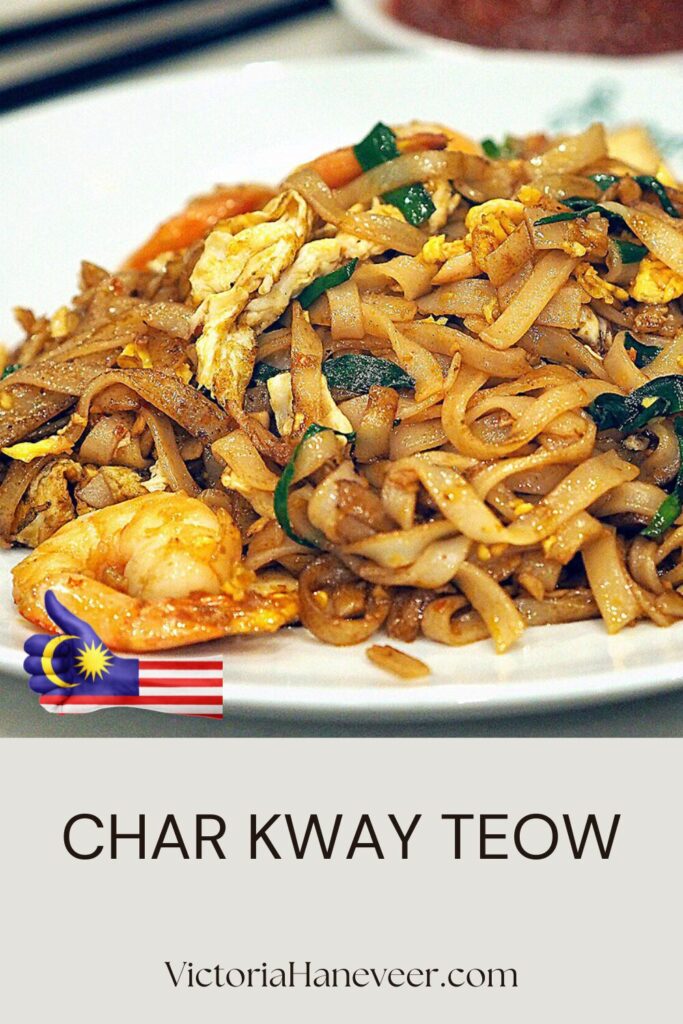
Tips for Best Results
- Use high heat: A hot wok helps create the smoky flavor associated with hawker-style char kway teow
- Use a well-heated wok: Heat the wok before adding oil to help develop wok char
- Cook in small batches: Overcrowding the wok prevents proper stir-frying
- Add noodles last: This helps keep them from breaking apart during cooking
Variations and Substitutions
If you can’t find Chinese sausage: Use sliced roasted pork or leave it out. The dish will be less sweet but still flavorful.
If you want it less spicy: Reduce the chili paste or omit it.
If you want a different protein: Chicken, squid or additional shrimp are commonly used.
Make Ahead and Storage
Make Ahead: Slice sausage and prepare sauce before cooking to streamline the stir-fry process.
Fridge: Store leftovers in the refrigerator for up to 2 days.
Freezer: Freezing is not recommended because rice noodles lose texture.
Reheat: Reheat quickly in a hot skillet or wok to restore flavor.
What to Serve with It
In Malaysia, it’s often served alongside other street food favorites such as nasi lemak, satay or laksa. A small bowl of sambal on the side adds extra heat and depth.
Char Kway Teow vs Pad Thai
They’re both stir-fried noodle dishes made with flat rice noodles, but their flavors and ingredients differ significantly.
Pad Thai uses tamarind, fish sauce and palm sugar to create a balance of sweet, sour and savory flavors. Char kway teow relies more on soy sauce, garlic and chili paste. The Malaysian dish also commonly includes shrimp, Chinese sausage and bean sprouts.
Another major difference is the emphasis on wok char. Char kway teow is traditionally cooked over very high heat so the noodles develop a lightly smoky flavor.
Char Kway Teow FAQs
What gives char kway teow its smoky flavor?
The smoky taste comes from high-heat cooking in a wok. The oil, sauce and noodles briefly char against the hot metal surface.
Why do hawker stalls cook char kway teow one portion at a time?
Cooking small portions helps maintain the high heat needed for proper stir-frying.
More Malaysian Recipes
Explore more traditional dishes in the Malaysian recipe collection:
- Try Kolo mee if you like char siu noodles.
- I really do love Malaysian satay a lot.
- And this otak-otak recipe wraps a spiced fish mixture in banana leaves (the first Malaysian dish I ever made!)
Wok Hei: The Signature Flavor of Char Kway Teow
One of the defining characteristics of this recipe is the smoky flavor known as wok hei, often translated as “breath of the wok.”
This flavor develops when noodles and oil hit a very hot wok, briefly charring the sauce and starch on the surface of the noodles.
In Malaysian hawker stalls, cooks often use powerful gas burners or charcoal fires to reach extremely high temperatures. Home kitchens usually can’t reach the same heat, but cooking in a well-heated wok and working in small batches helps produce a similar effect.
Penang Char Kway Teow vs Other Versions
Penang char kway teow is considered the benchmark version of the dish. Hawker stalls in Penang typically cook each portion individually and often include shrimp, Chinese sausage, egg and bean sprouts.
In other regions of Malaysia, variations appear. Some versions add cockles, which bring a briny seafood flavor. Others use slightly sweeter sauce combinations or include more chili paste.
Despite the regional differences, the core technique remains the same: flat rice noodles cooked quickly over high heat with soy sauce, seafood and aromatics.
Choosing the Right Rice Noodles
Fresh flat rice noodles are the traditional choice for char kway teow. These noodles are soft and slightly oily, which allows them to separate easily in the wok.
If fresh noodles are not available, dried wide rice noodles can be used after soaking. They should be softened but still firm before stir-frying so they don’t break apart in the pan.
Some cooks lightly separate fresh noodles by hand before cooking so the strands fry more evenly.
Why It’s a Hawker Classic
Char kway teow is strongly tied to Malaysia’s hawker food culture, where individual stalls specialize in one or two dishes prepared quickly to order.
Because the noodles cook in only a few minutes, vendors can prepare each plate fresh while maintaining the intense heat needed for proper stir-frying. This made the dish practical for busy street food settings.
Today this recipe remains one of the most recognizable Malaysian street food dishes and continues to be a staple in hawker centers across the country.
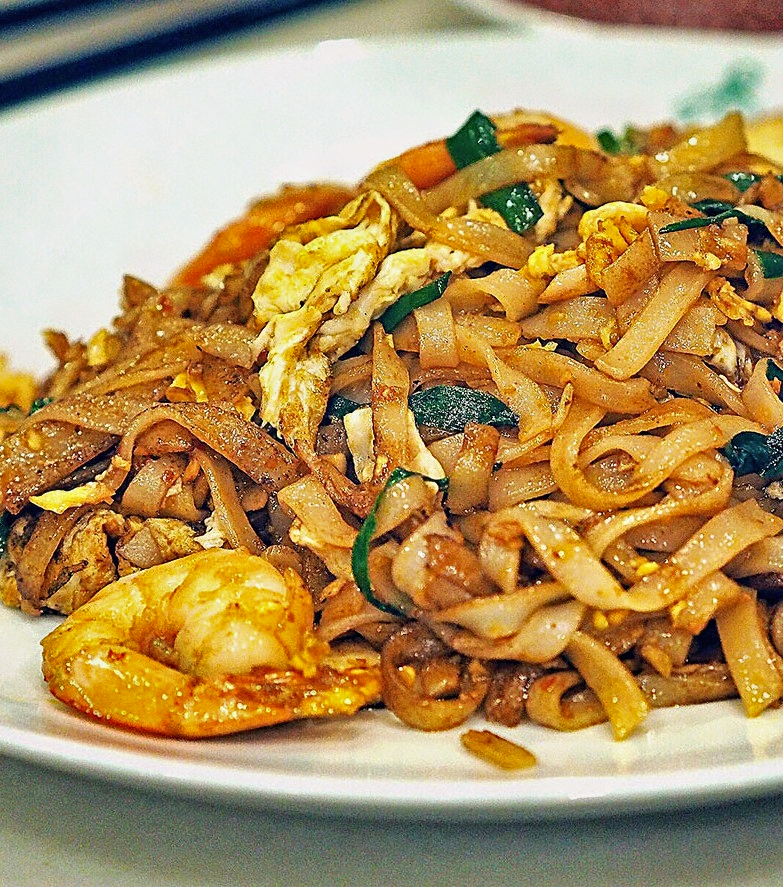
Common Mistakes When Cooking Char Kway Teow
- Overcrowding the wok: Too many ingredients at once reduces heat and prevents the noodles from browning
- Breaking the noodles: Stirring too aggressively can tear fresh rice noodles
- Using too much sauce: The noodles should be coated lightly so the smoky wok flavor remains noticeable
- Cooking too long: The dish cooks quickly and prolonged cooking can make the noodles soft
Char Kway Teow Around Southeast Asia
Variations of this noodle dish appear throughout Southeast Asia. In Singapore, the dish is very similar but may include more cockles and a slightly sweeter sauce profile.
In Thailand, a related stir-fried noodle dish appears in the form of pad see ew. While both dishes use flat rice noodles and soy sauce, the Malaysian version usually includes seafood and chili paste and emphasizes wok char.
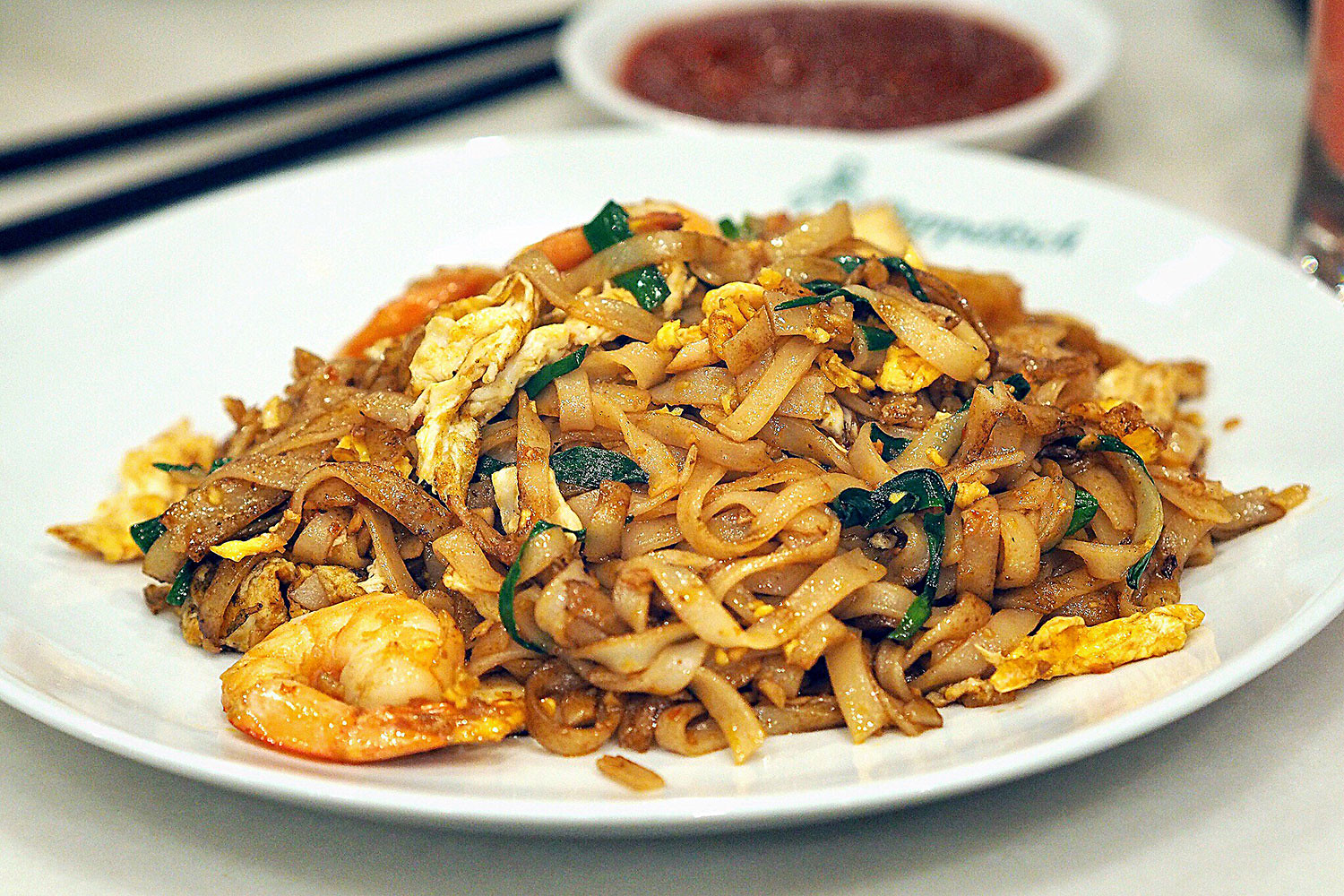
Char Kway Teow
Ingredients
- 8 ounces (225g) flat rice noodles
- 6 ounces (170g) shrimp, peeled
- 2 eggs
- 2 Chinese sausages, sliced
- 1 cup (100g) bean sprouts
- 2 tablespoons dark soy sauce
- 1 tablespoon light soy sauce
- 1 tablespoon chili paste
- 2 tablespoons vegetable oil
- 2 cloves garlic, minced
- chopped scallions (spring onions)
- lime wedges
- extra chili paste
Method
- Heat oil in a wok over high heat.
- Add garlic and stir briefly until fragrant.
- Add shrimp and cook until just opaque.
- Add sliced Chinese sausage and stir fry until lightly browned.
- Push ingredients to the side and crack in the eggs. Scramble quickly.
- Add the rice noodles and toss with soy sauces and chili paste.
- Stir fry until the noodles are evenly coated and slightly charred in places.
- Add bean sprouts and toss briefly.
- Serve immediately with scallions and lime.
Notes
- A wok helps create the high heat needed for proper stir-frying.
Is Char Kway Teow Spicy?
No, it isn’t always spicy. Many versions include chili paste or fresh chilies, but the level of heat depends on how much chili the cook adds.
At Malaysian hawker stalls, the cook usually adjusts the spice level when preparing the dish. Some plates are cooked with extra chili paste while others are made without.
The core flavor of char kway teow comes from soy sauce, seafood, garlic and the smoky wok char rather than strong heat.
If you prefer mild food, the dish can easily be cooked with little or no chili.
What Does Char Kway Teow Mean?
The name char kway teow comes from Chinese dialects spoken by early immigrants in Penang.
“Char” means stir-fried, “kway” refers to rice noodles and “teow” refers to the flat noodle shape. Together the name describes the dish as stir-fried flat rice noodles.
Many Malaysian dishes keep these dialect names because they reflect the communities that introduced them.
History of the Dish
Char kway teow originated with Chinese immigrants in Penang who adapted traditional stir-fried noodle dishes using locally available ingredients. The dish became closely associated with Malaysian hawker culture.
Vendors developed their own variations, often cooking each portion individually over charcoal. Today char kway teow appears across Malaysia and Singapore in hawker stalls and restaurants.
While the ingredients vary slightly, the combination of rice noodles, seafood and smoky wok flavor remains consistent.
Image Credit: Sydney Food Blog Review of Pappa Rich, Parramatta: Char Kway Teow by insatiablemunch, CC BY 2.0