
Malaysian cuisine brings together Malay, Chinese, Indian and Peranakan influences in dishes that are rich, aromatic and full of contrast. Coconut milk, chilies, tamarind, belacan, fresh herbs and spice pastes shape the flavor of Malaysian recipes, from noodle soups and rice plates to curries, grilled dishes and sambals.
If your idea of Malaysian food begins and ends with nasi lemak, laksa and satay, you’re only seeing a small part of it. Food in Penang doesn’t taste the same as food in Johor. Sarawak laksa isn’t the same as the coconut-based versions you’ll find elsewhere.
Some Malaysian dishes are sharp with tamarind. Others rely on fermented soybean paste for a salty, savory backbone. Some are packed with herbs and crunch, while others are slow-cooked and deeply spiced.
Outside Malaysia, the cuisine often gets simplified into curry or street food, but that misses what makes it so interesting. Malaysian cooking is layered, regional and shaped by different communities over generations.
This collection brings together classic dishes you can make at home, including street food favorites, regional specialties and essential condiments. Browse the sections below to explore the ingredients, cooking styles and signature dishes that make Malaysian food so distinctive.
Jump to Recipes
If You’re New to Malaysian Cooking, Start Here
A good way in is to start with a few dishes that show different sides of the cuisine. Sambal belacan gives you the heat and depth of a staple chili condiment. Kari kapitan introduces the cooked spice paste base that gives many richer dishes their character.
Penang asam laksa shows the sour, fish-based, herb-heavy side of Malaysian cooking that tastes nothing like a creamy curry laksa. Even those 3 dishes give a much better sense of how varied the food really is.
Popular Malaysian Dishes
If you’re exploring Malaysian food for the first time, a few dishes come up again and again. Nasi lemak is often considered the national dish, with coconut rice, sambal, anchovies, peanuts, egg and cucumber. Laksa comes in several forms, from tangy Penang asam laksa to richer curry laksa.
Satay is one of the best-known street foods, while char kway teow, roti canai and nasi goreng are all widely loved for completely different reasons. Together, they show how Malaysian cooking balances spice, freshness, richness and technique.
Rice Dishes
Rice sits at the center of Malaysian cooking and shows up in everything from everyday fried rice to coconut rice plates and regional specialties. These dishes show how a simple base can carry bold sauces, herbs, aromatics and richly flavored sides.
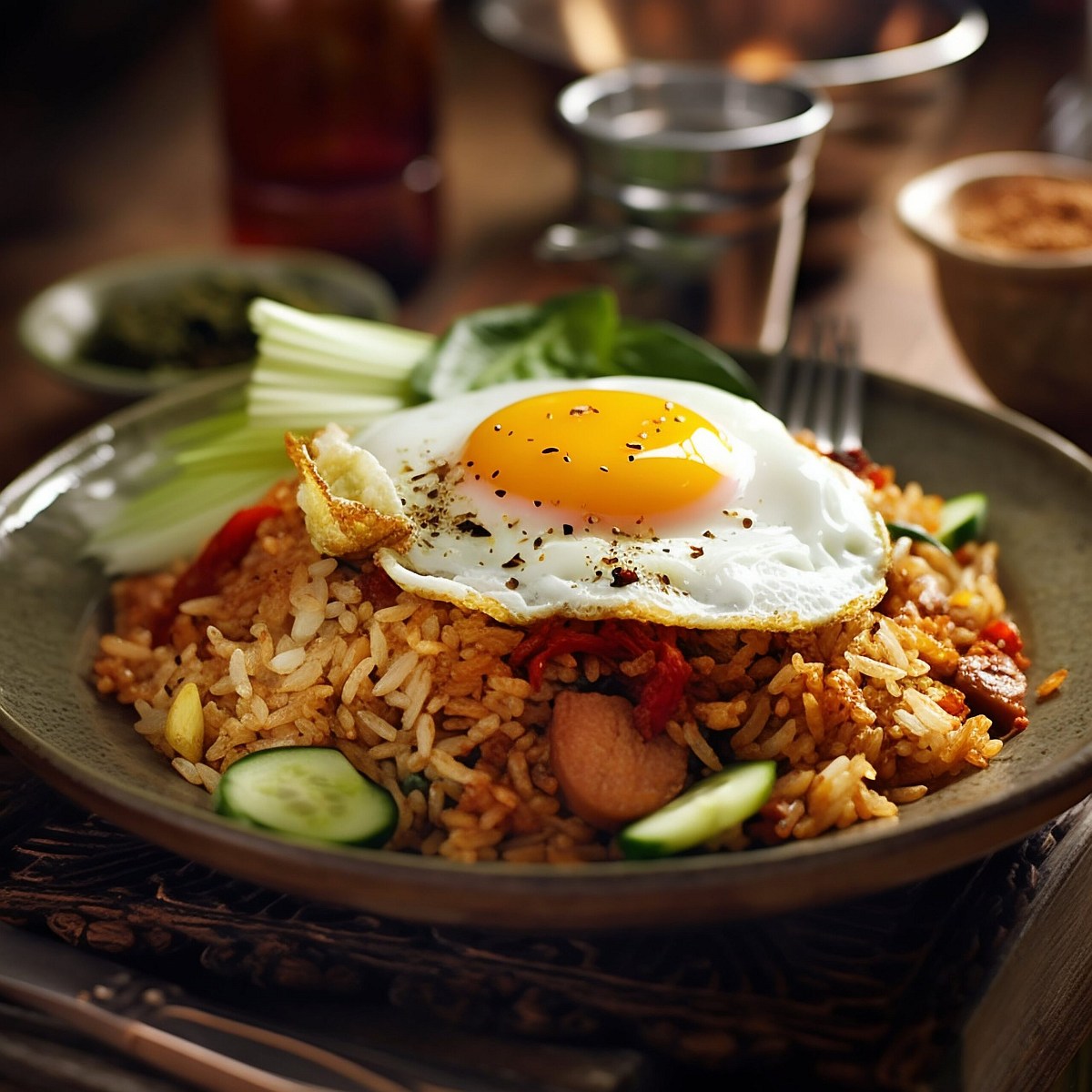
Nasi Goreng
A bold fried rice dish with garlic, chili and sweet soy sauce, often topped with a fried egg.
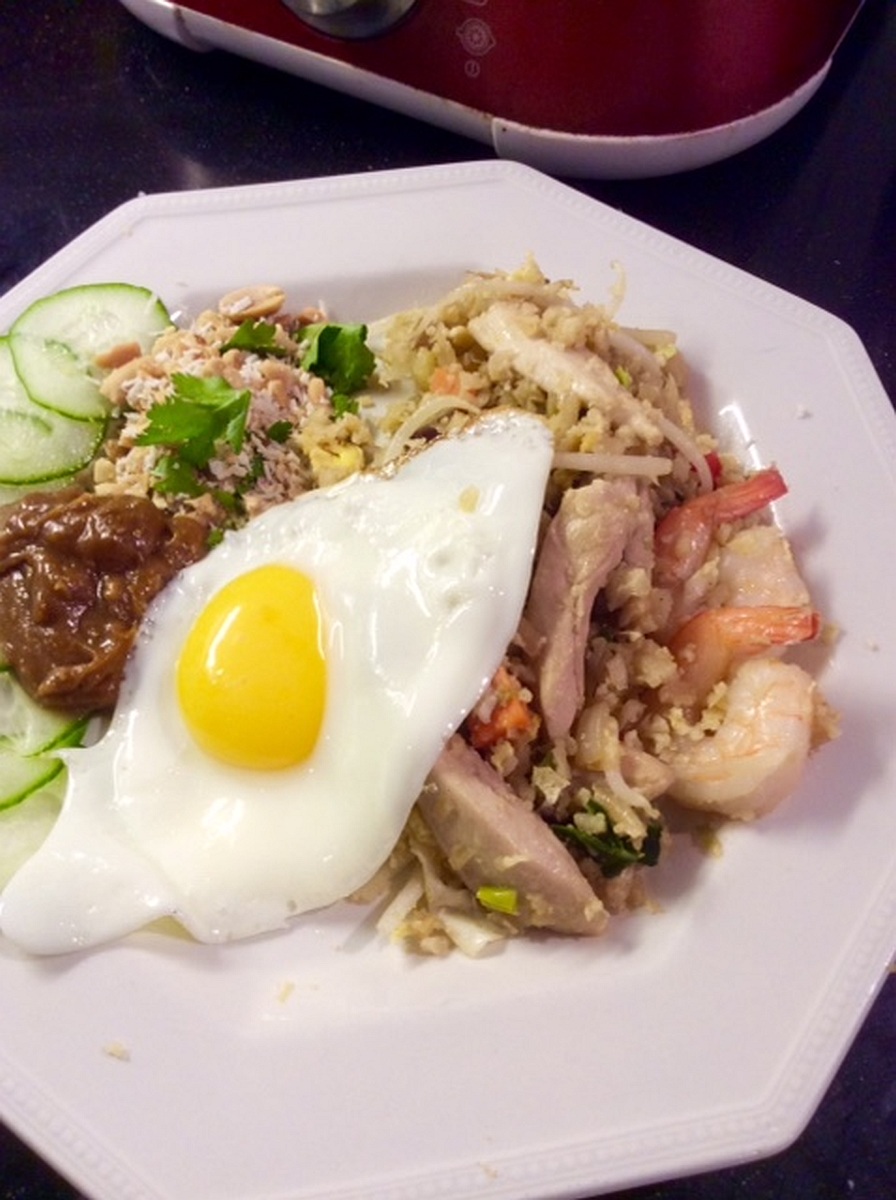
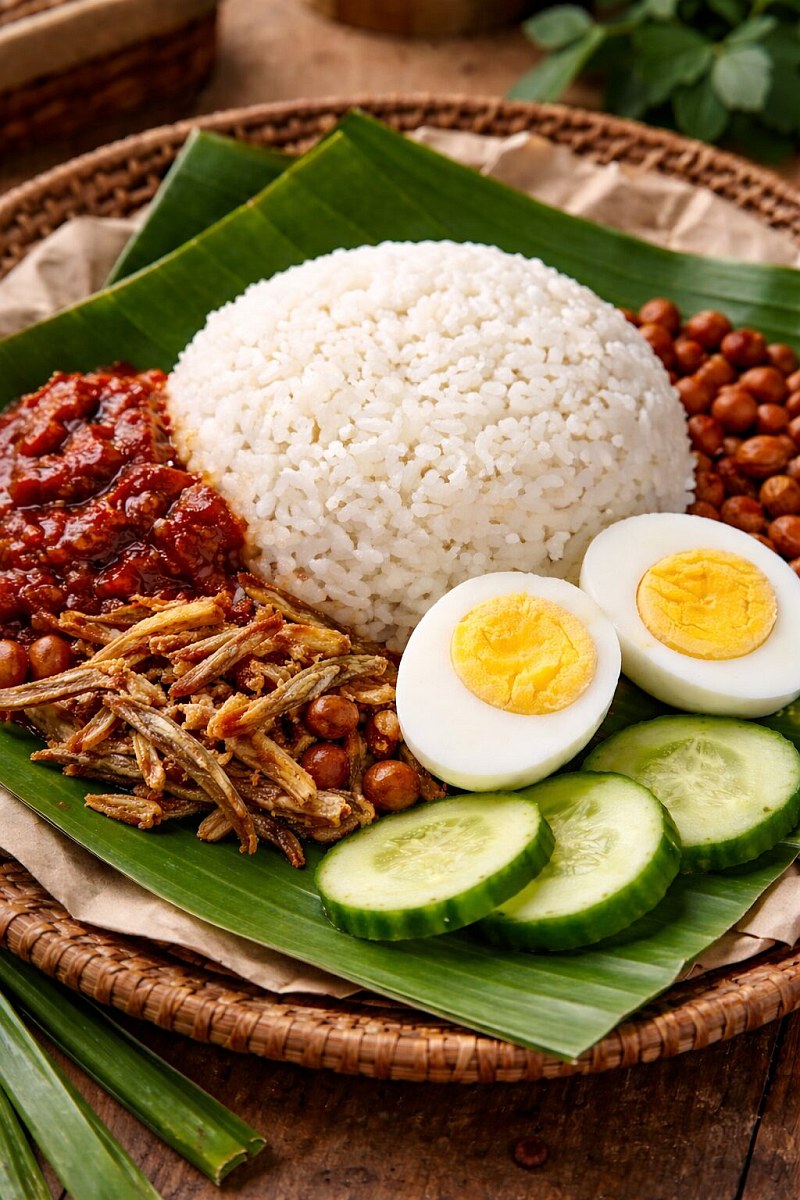
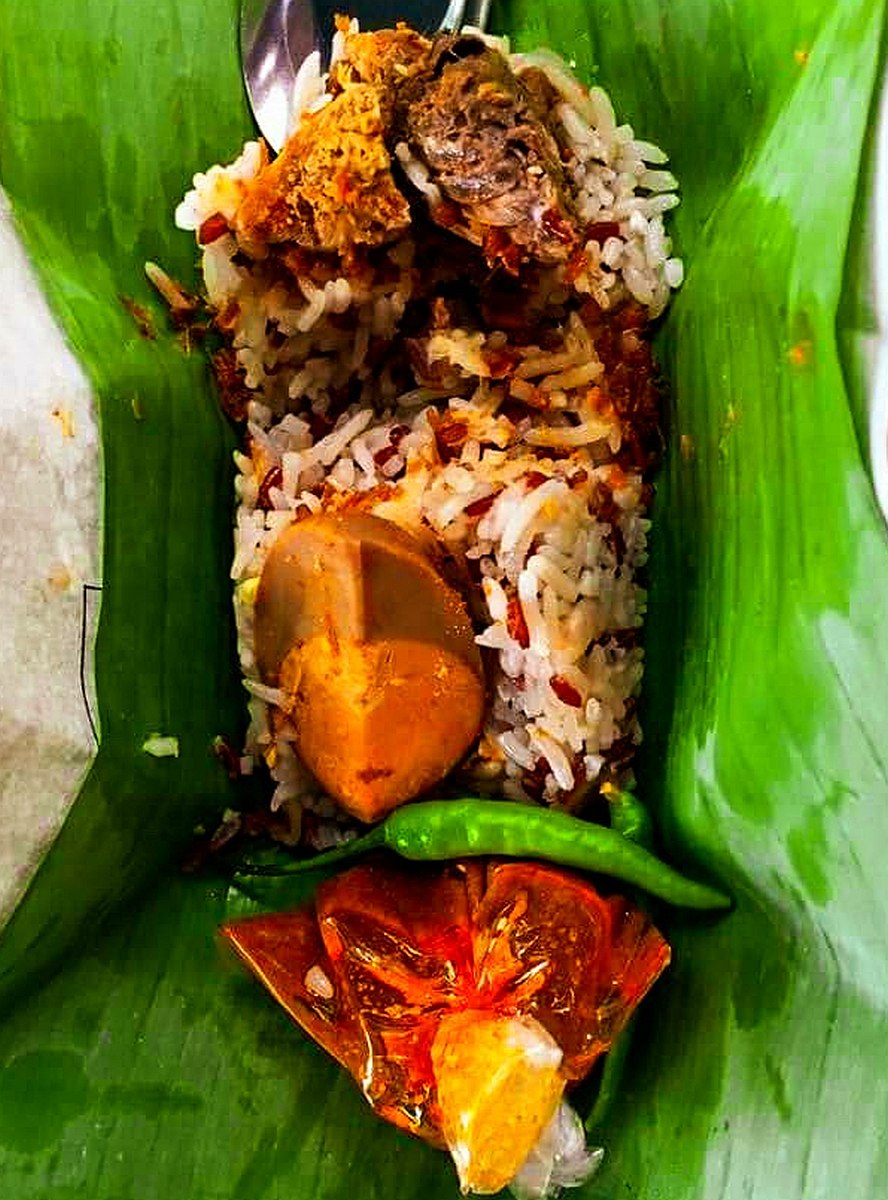
Nasi Lemak
Coconut rice served with sambal, peanuts and anchovies, widely considered Malaysia’s national dish.
Noodles and Soups
Malaysian noodle dishes range from rich curry laksa to tangy fish broths and lighter dry noodle bowls. These recipes show how much flavor can come from spice pastes, shrimp-based ingredients, herbs, aromatics and high-impact sauces.
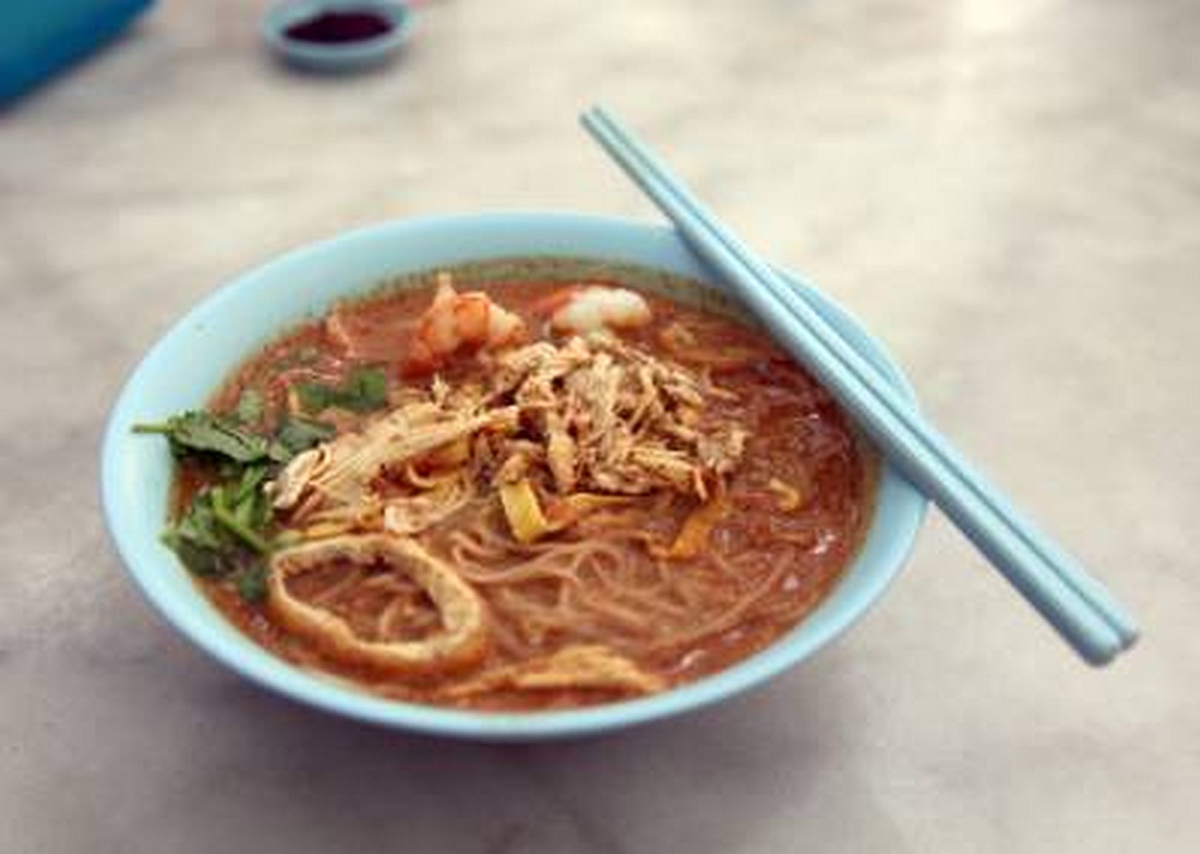
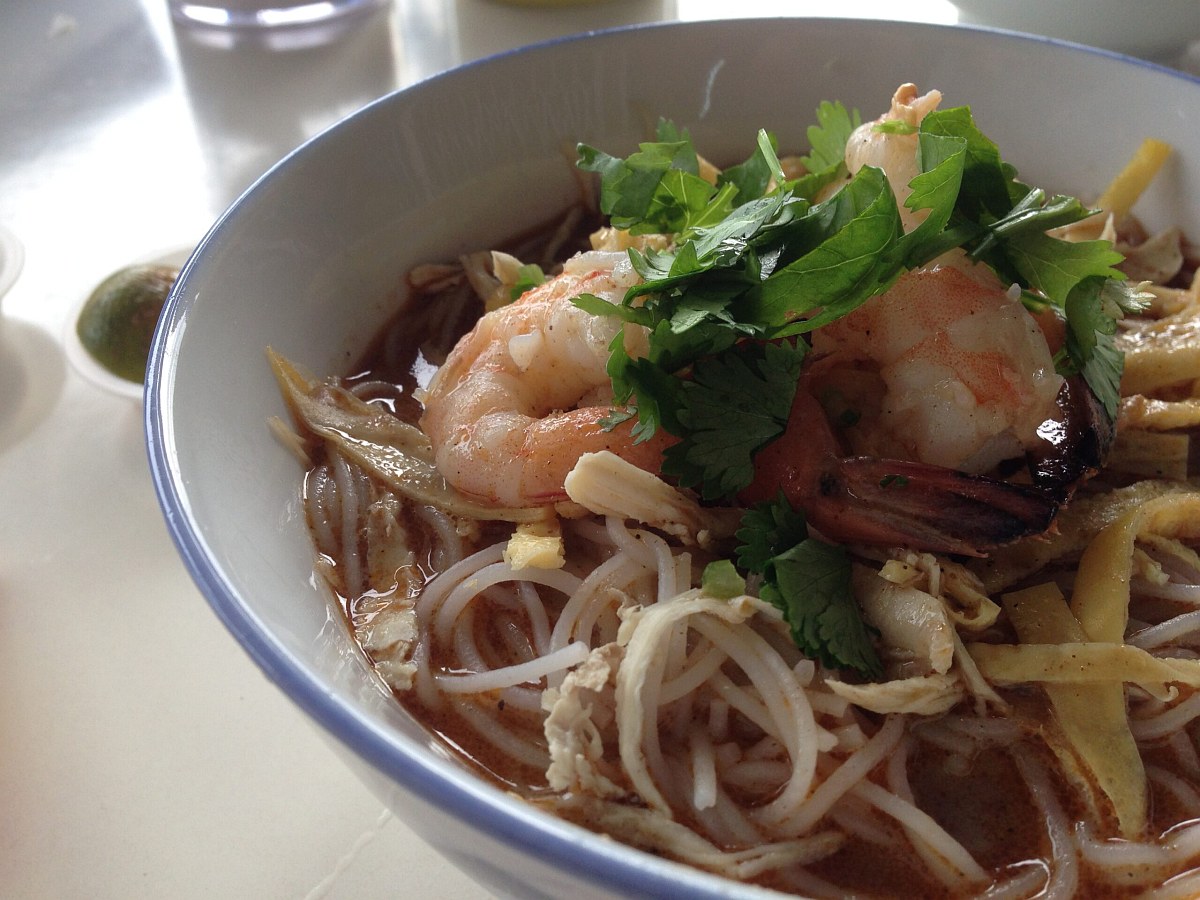
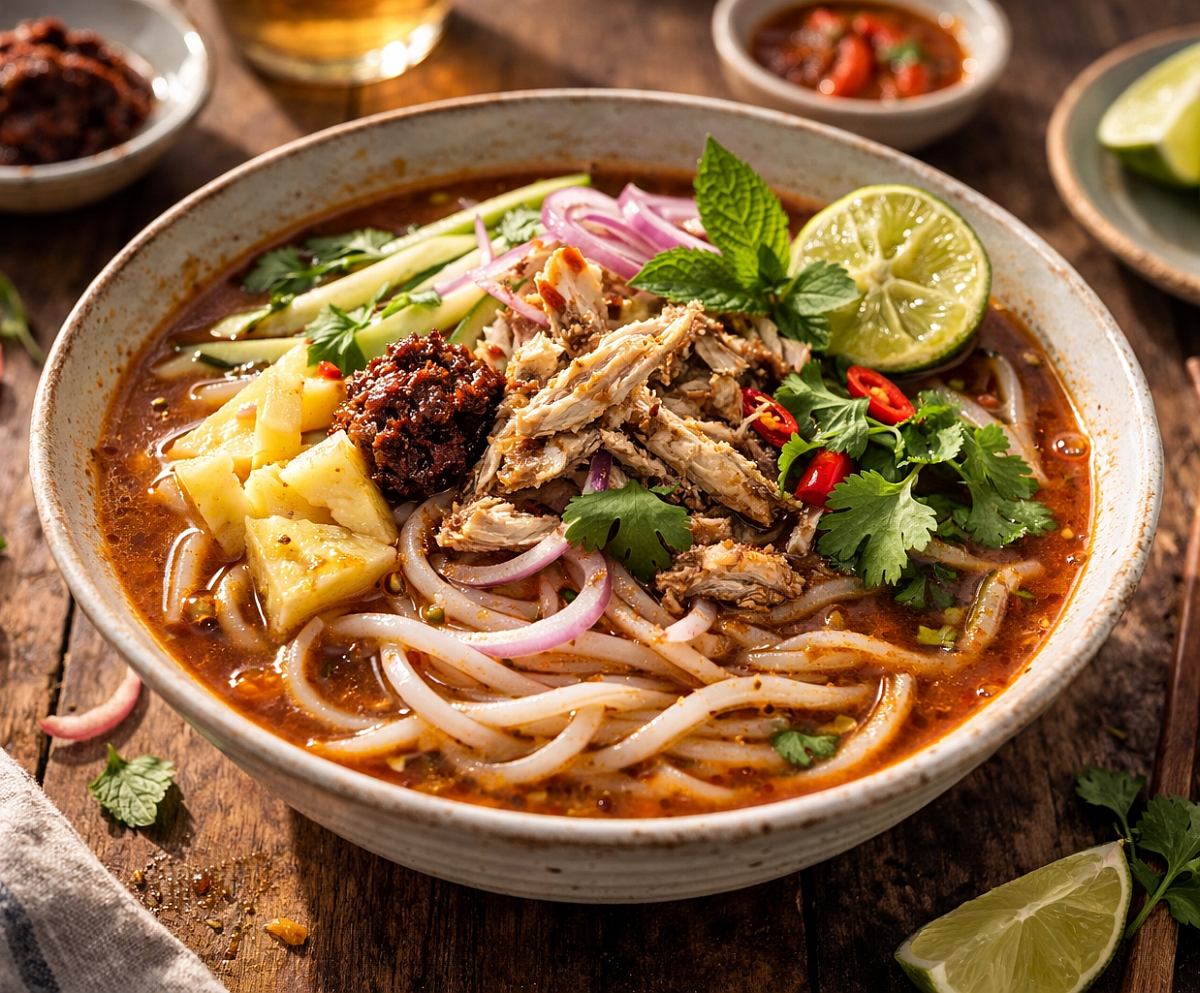
Penang Assam Laksa
A tangy fish-based noodle soup with tamarind and herbs, very different from creamy curry laksa.
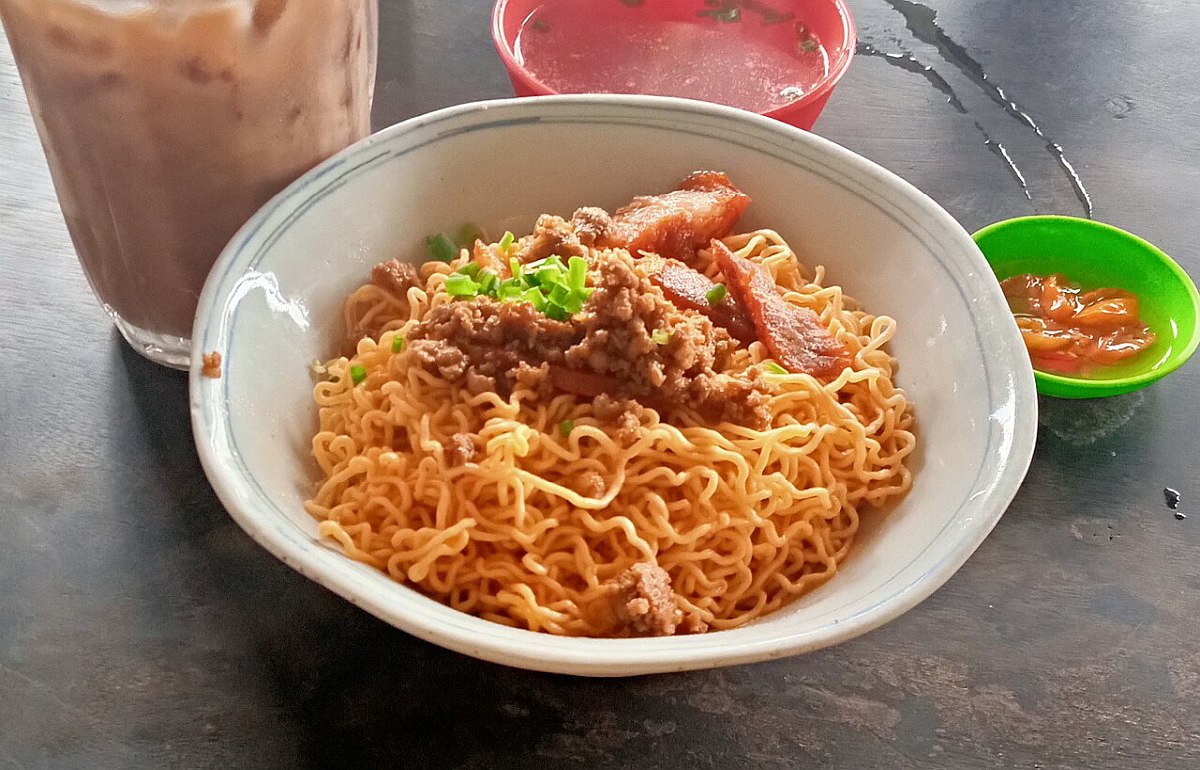
Kolo Mee
A simple dry noodle dish with a light savory seasoning and a very different feel from soup-based laksa.
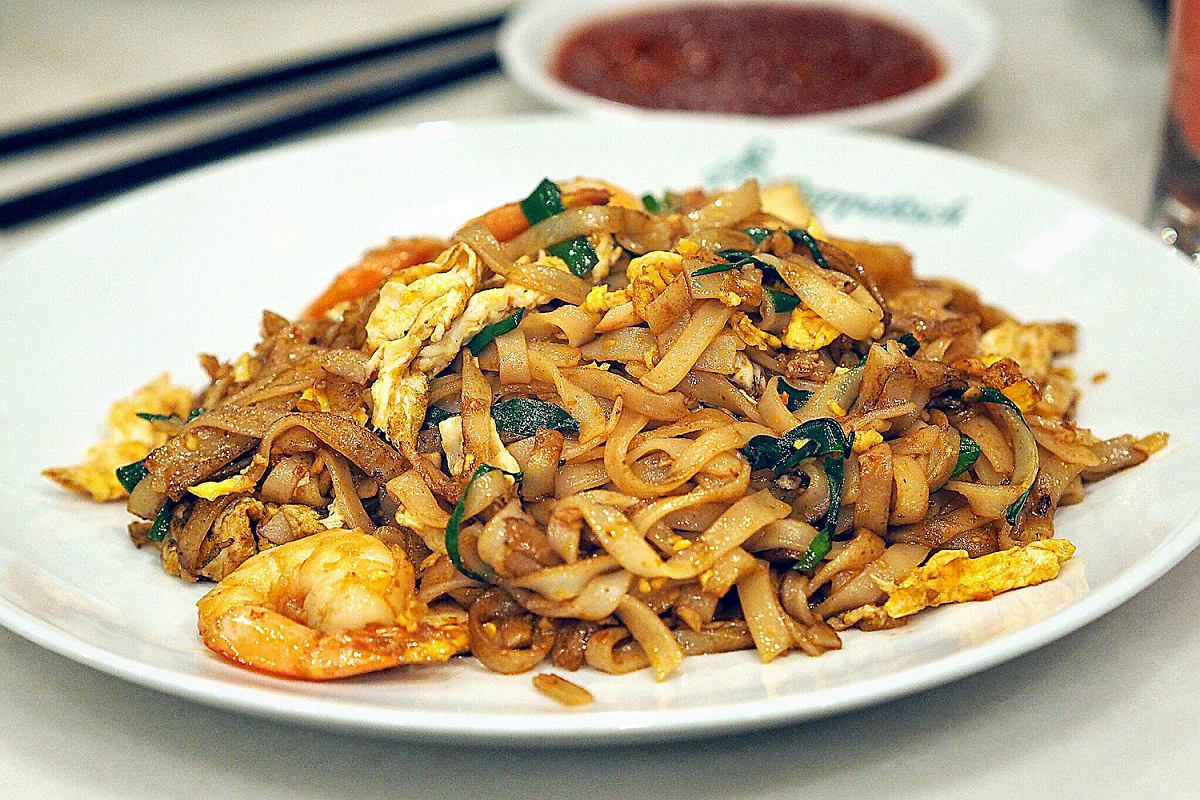
Char Kway Teow
Stir-fried noodles with smoky flavor from high-heat cooking and the savory depth that makes hawker-style noodle dishes so popular.
Street Food and Snacks
Street food is one of the most recognizable parts of Malaysian cooking. These dishes focus on contrast, with flaky breads, wrapped snacks, fresh fillings and bold sauces that make them especially good for casual meals and shared plates.
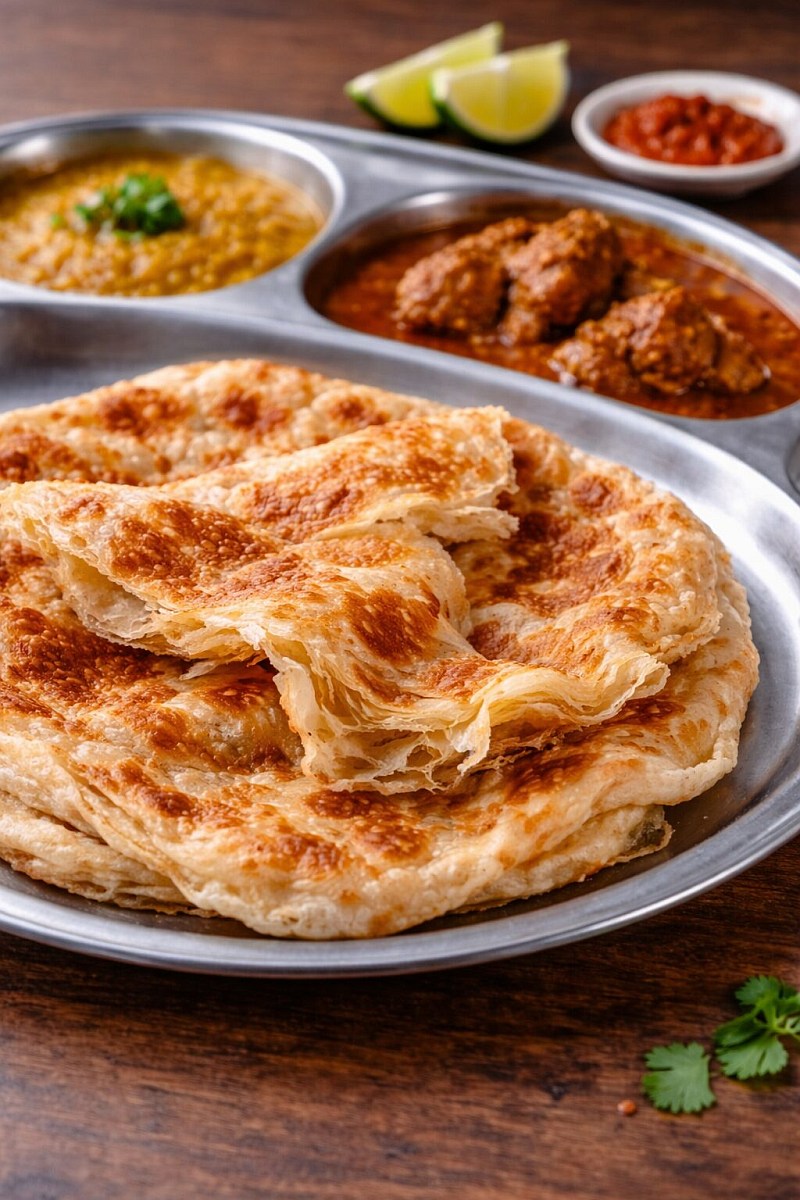
Roti Canai
A layered flatbread served with curry for dipping and one of the best-known Malaysian street food staples.
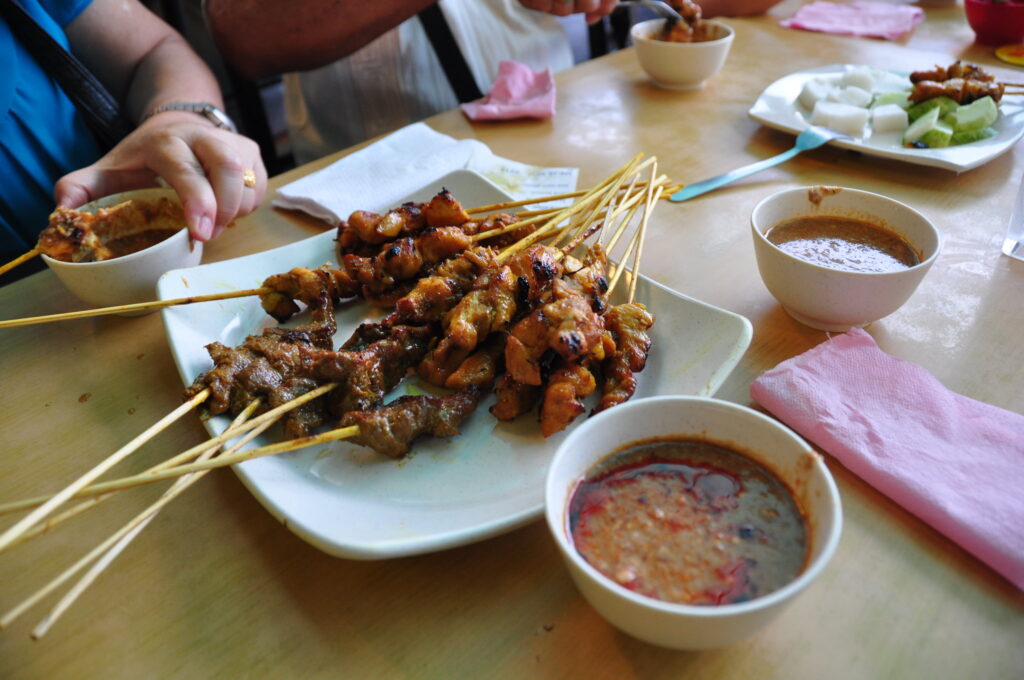
Malaysian Satay
Grilled skewers with a turmeric-based marinade, a lightly smoky finish and rich peanut sauce on the side.
Popiah
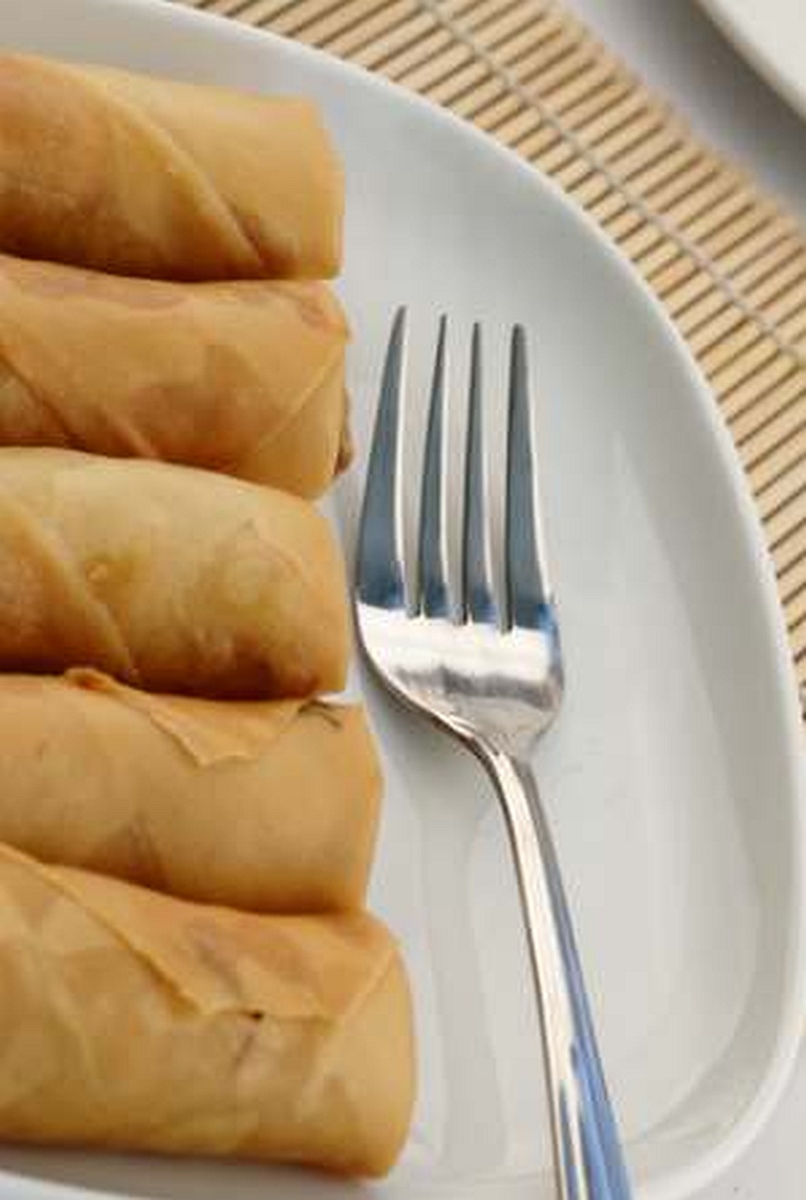
Fresh spring rolls filled with vegetables and savory elements. Can be enjoyed fresh or fried.
Curries and Main Dishes
Malaysian main dishes are known for their depth of flavor, often starting with a cooked spice paste or marinade that builds richness before the main ingredients are added. This section includes curries, braises and grilled dishes that show the range of Malaysian home cooking.
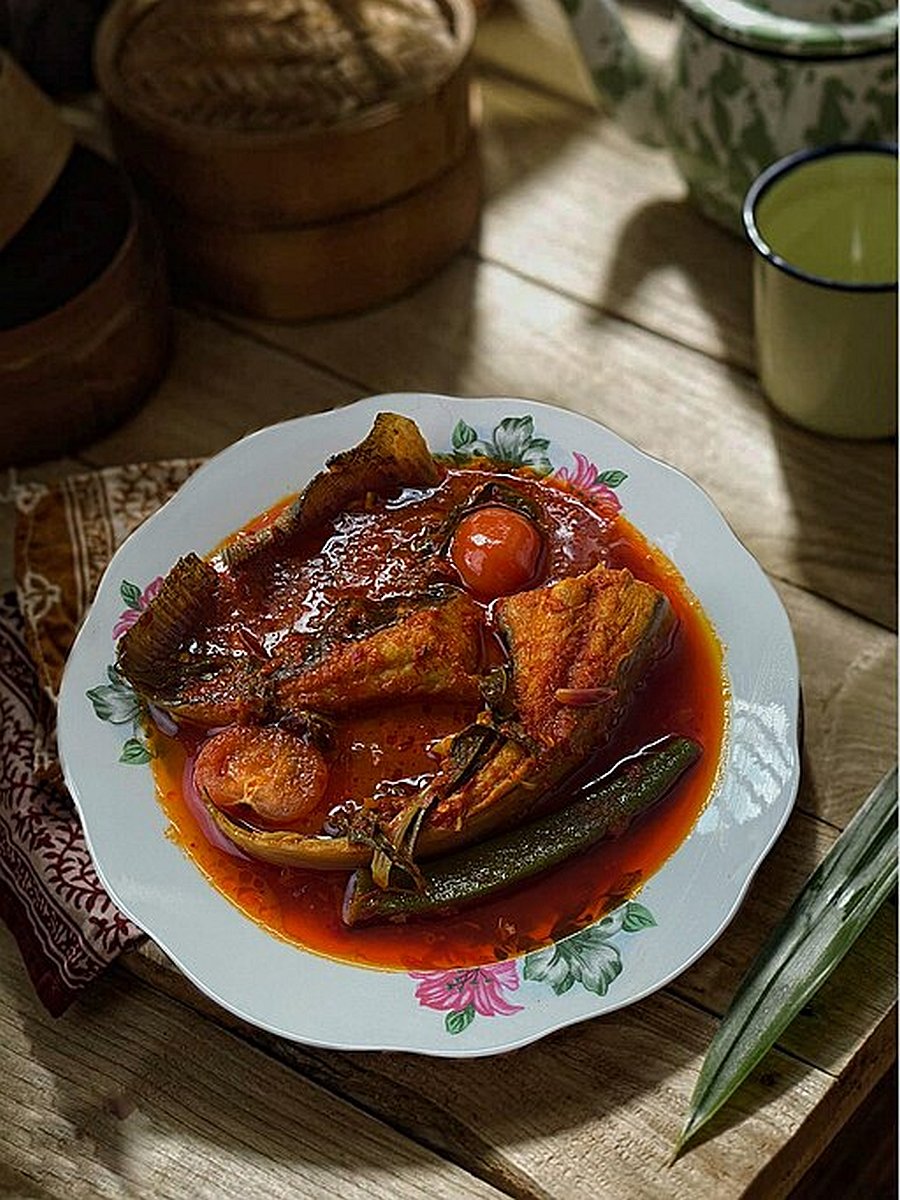
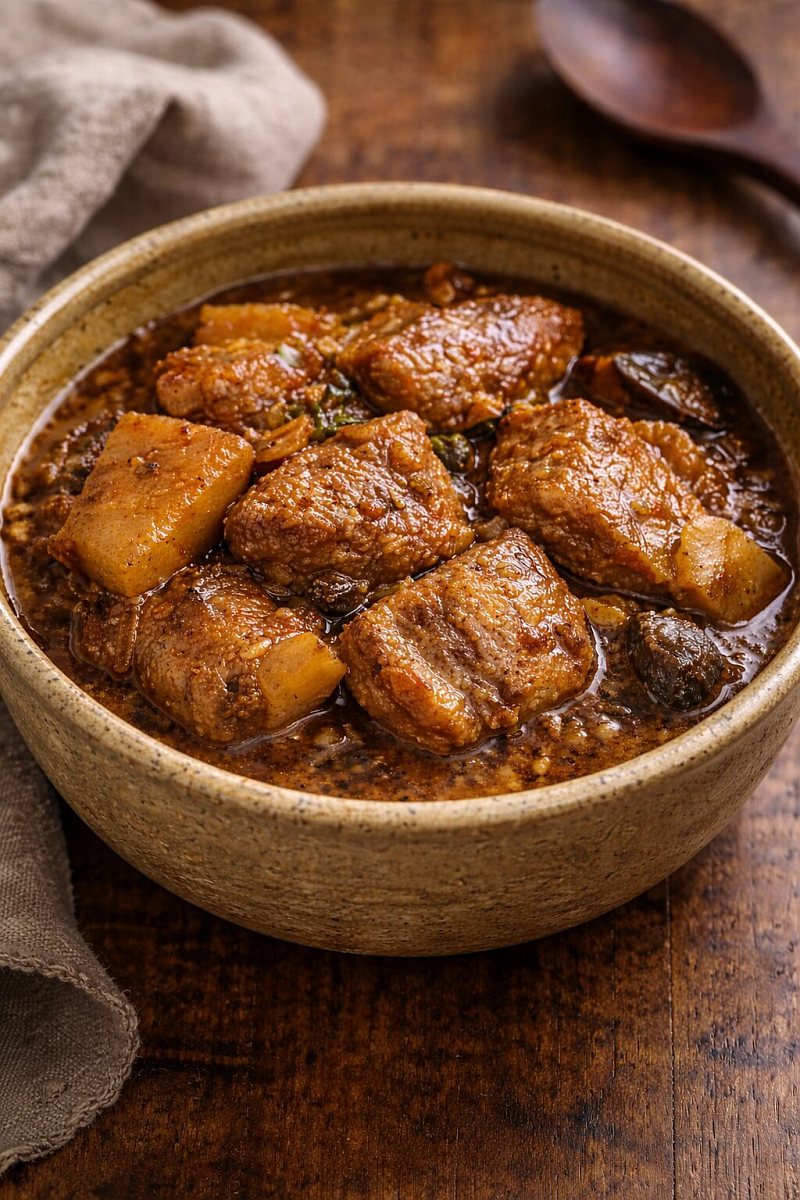
Babi Pongteh
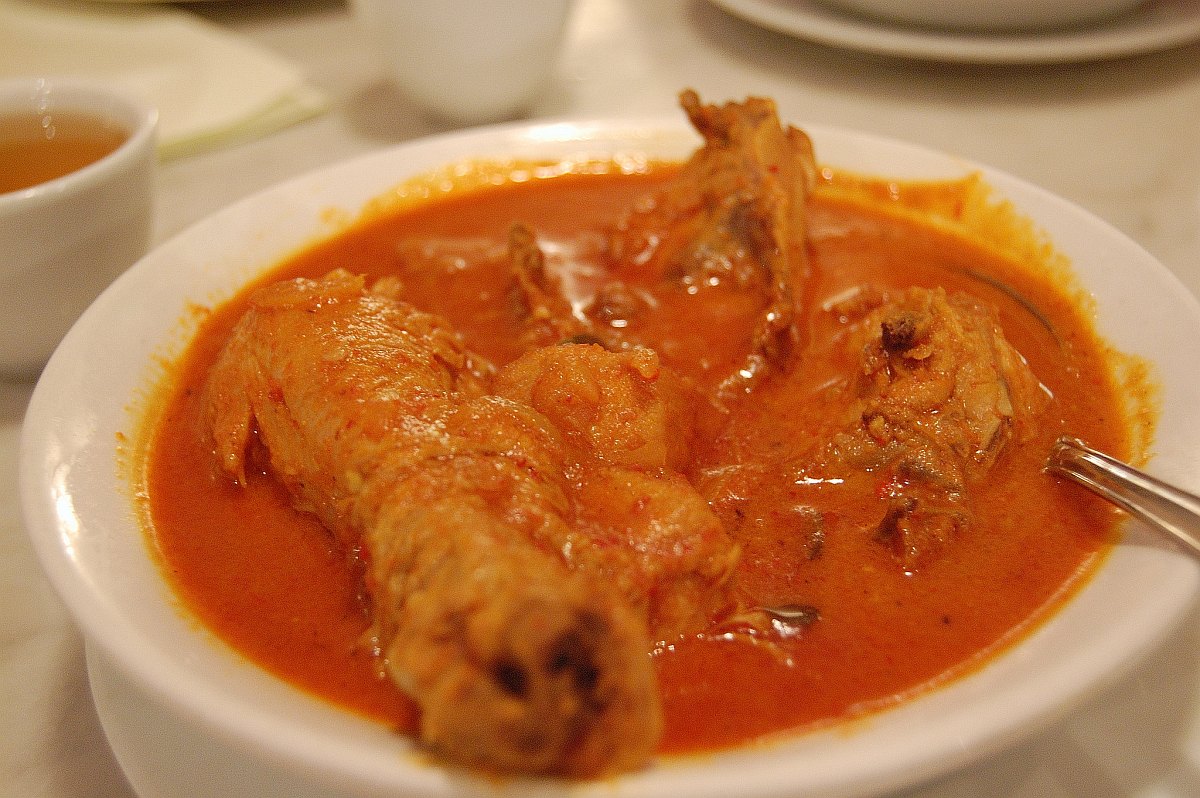
A savory braised dish with a slightly sweet and salty profile and roots in Peranakan cooking.
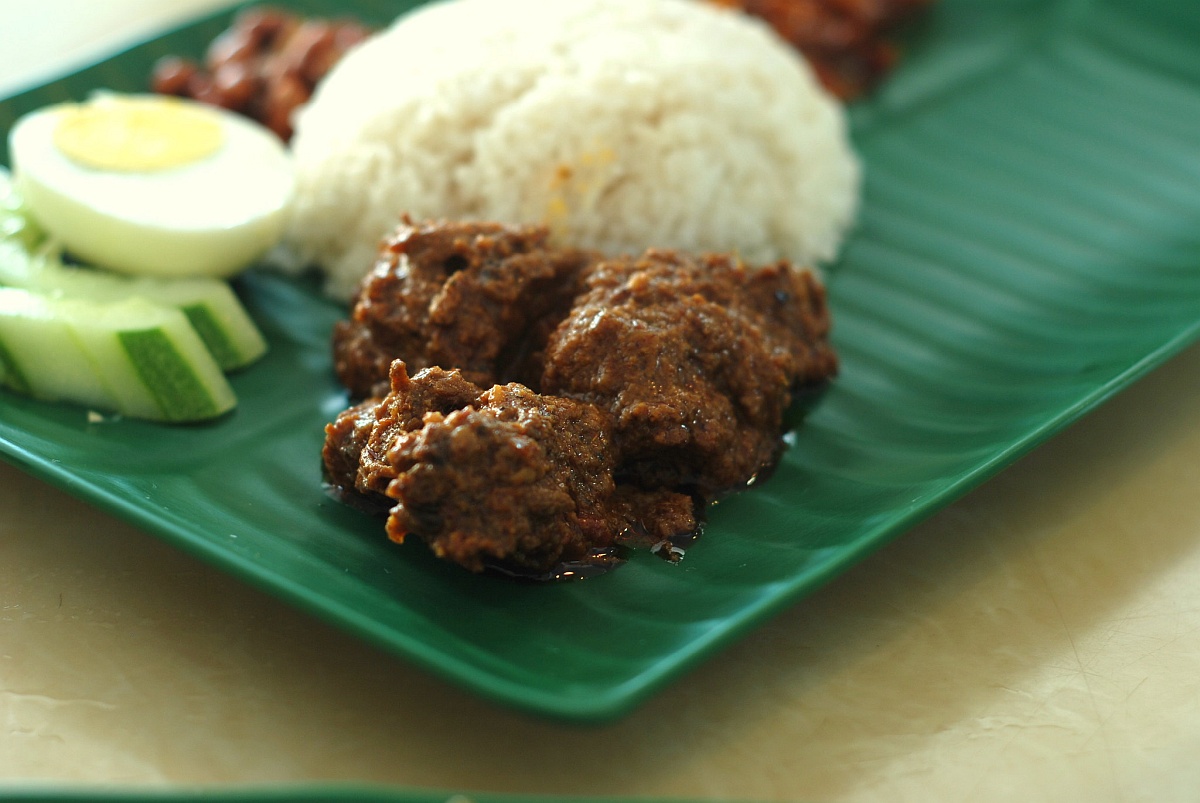
Beef Rendang
Slow-cooked beef in a reduced spiced sauce with concentrated flavor and deep aromatic richness.
Sambals and Essentials
No Malaysian recipe collection feels complete without the ingredients and condiments that bring heat, depth and character to so many dishes. Sambals and pantry staples help tie the whole cuisine together and are worth exploring alongside the mains.
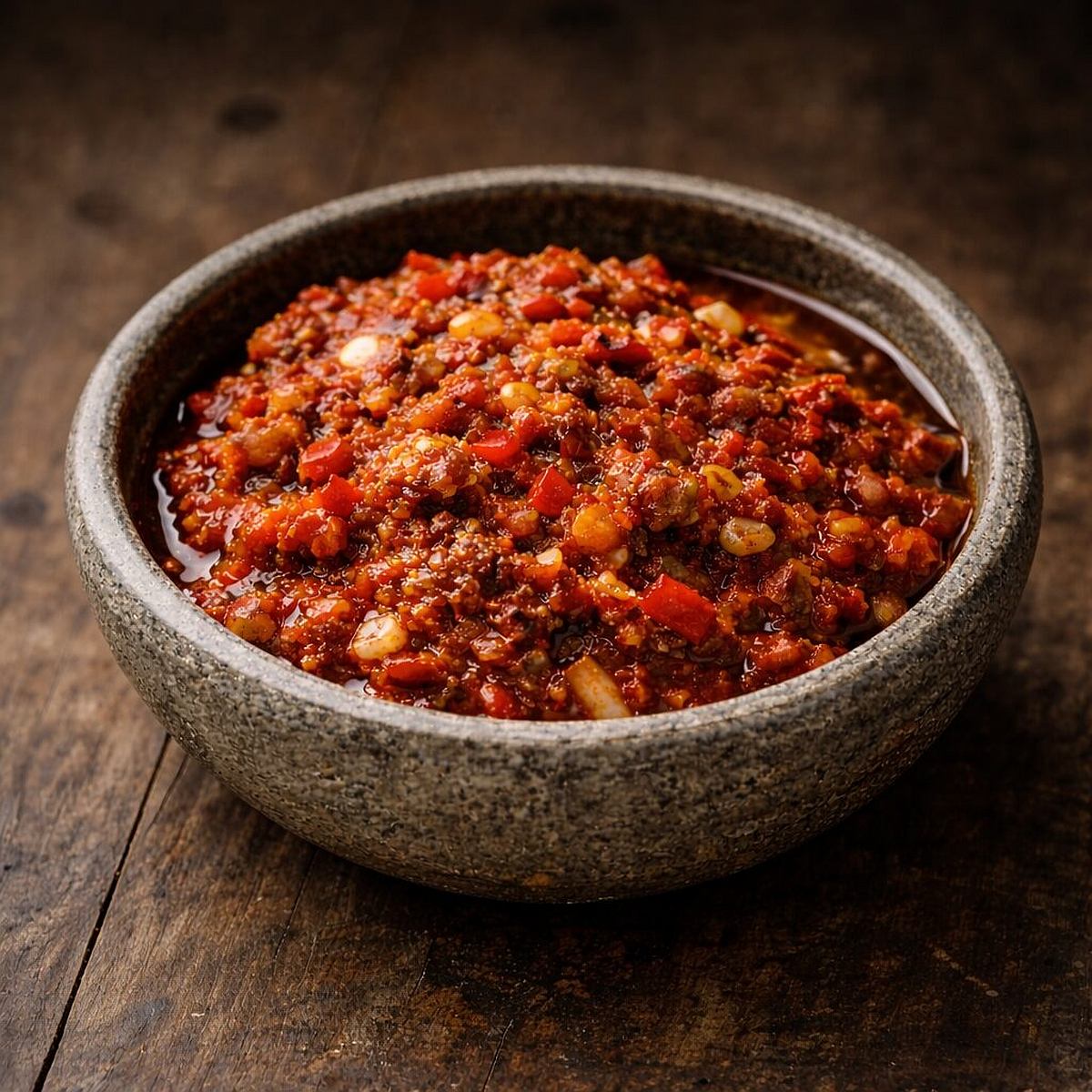
Sambal Belacan
A chili paste made with belacan that delivers heat and umami. It pairs especially well with rice dishes and grilled foods.
Malaysian Pantry Staples and Cooking Terms
Stocking a few key ingredients makes Malaysian cooking much easier. Many dishes rely on the same pantry staples, especially fermented ingredients, spices and coconut-based products.
Belacan is fermented shrimp paste used in many sambals and seasoning bases. Tamarind paste gives dishes like asam laksa and asam pedas their sour backbone. Coconut milk appears in curries, desserts and rice dishes, while palm sugar adds depth and sweetness to sauces and sambals. Dried chilies are the starting point for many rempah pastes, and candlenuts are often used to thicken them. Fresh ingredients such as laksa leaf, torch ginger and ulam also play an important role in the final flavor of many dishes.
How Malaysian Flavors are Built
One thing that stands out in Malaysian cooking is how much flavor comes from fresh spice pastes rather than dry spice blends. Many dishes start with a rempah made from chilies, shallots, garlic, ginger, galangal and other aromatics. The paste is blended or pounded, then cooked slowly in oil until fragrant and concentrated. That step gives many curries, sambals and braised dishes their backbone.
Flavor is usually built in layers. A dish might start with a cooked spice paste, then take on richness from coconut milk or stock, then get finished with herbs, lime or toasted shrimp paste. That layering is a big part of what gives Malaysian food its depth.
Malaysian Regional Influences
Malaysian cuisine reflects the country’s multicultural history. Malay cooking forms the foundation, while Chinese Malaysian communities contribute noodle dishes and wok cooking. Indian Muslim traditions bring flatbreads such as roti canai as well as rice dishes and spice-based curries. Peranakan cooking blends Chinese techniques with Malay ingredients to create a style with its own identity. Those overlapping traditions are one reason Malaysian food has such a wide range of flavors and techniques.
Common Malaysian Sauces and Condiments
Many Malaysian meals are served with sauces and condiments that add heat, sweetness or acidity. Sambal is the best known and comes in many forms. Kicap manis, also called ketjap manis, is a thick sweet soy sauce used in fried rice and noodle dishes. Cincalok is a fermented shrimp condiment common in Peranakan cooking. Acar refers to pickled vegetables that bring crunch and brightness to richer dishes.
Banana Leaf Cooking
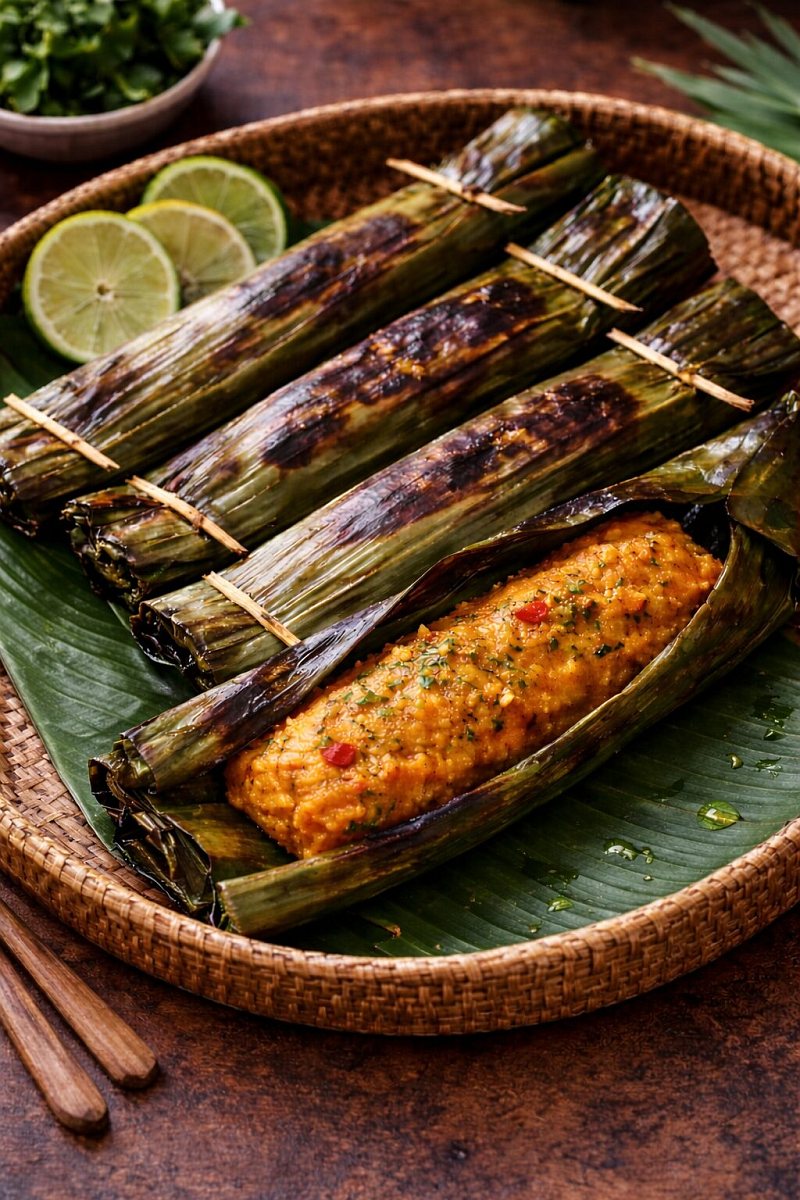
Banana leaves are widely used in Malaysian cooking to wrap fish, rice and spice pastes before grilling or steaming. The leaves protect the food while it cooks and add a subtle herbal aroma. They also help hold softer fillings together, which is one reason they’re so closely associated with dishes like otak-otak.
Penang Dishes
Penang is often the first place food lovers think of when Malaysian cuisine comes up, but even there the range is wide. Penang assam laksa is tamarind-forward, aromatic and nothing like coconut laksa. Char kway teow shows the high-heat wok cooking Penang is famous for, with the smoky flavor known as wok hei. The region is a good reminder that Malaysian food can’t be reduced to one style.
Peranakan Cooking
Peranakan, or Nyonya, cooking blends Chinese techniques with Malay ingredients and often centers on candlenuts, tamarind and layered spice pastes. Kari kapitan is a strong example of this style, while babi pongteh brings together fermented soybean paste, palm sugar and slow braising for a savory dish with gentle sweetness.
It’s a cuisine with real depth and a very recognizable character once you’ve tasted a few dishes.
Traditional Regional Malaysian Recipes
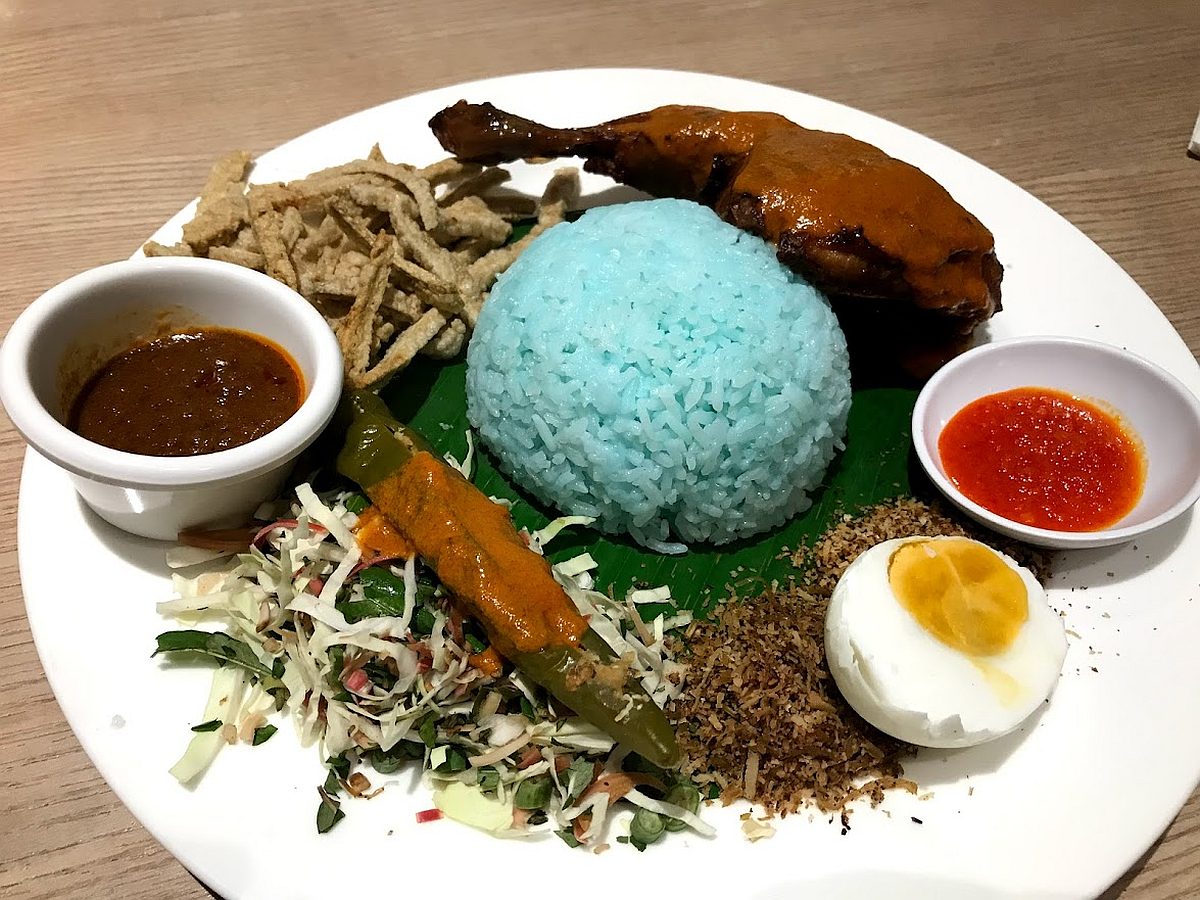
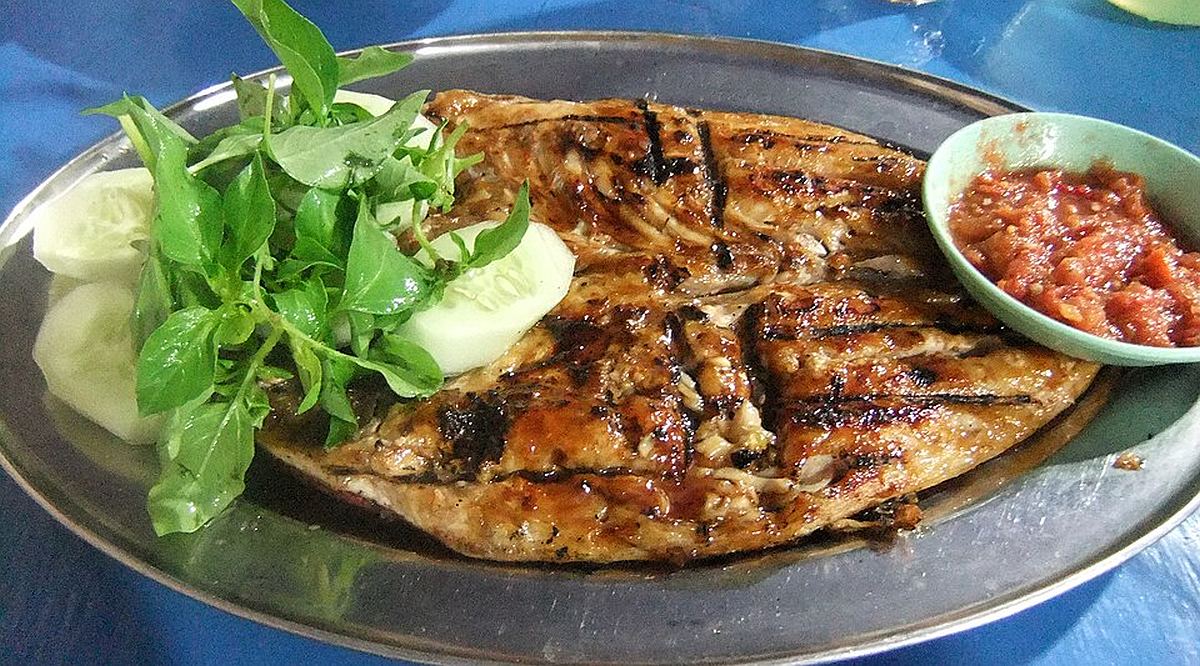
Traditional Malaysian cooking goes far beyond the dishes most people already know. Asam pedas shows the hot and sour side of Malay cooking. Nasi kerabu and nasi dagang reflect east coast traditions. Ikan bakar highlights charcoal grilling and spice marinades, while rendang shows how coconut milk and aromatics can be cooked down into something thick, rich and concentrated.
East Malaysia: Sarawak and Sabah
East Malaysian cooking differs from Penang and Kuala Lumpur in ways that surprise a lot of people. Sarawak laksa has its own distinct paste and broth, and dishes such as kolo mee show how important dry noodle preparations are in the region. Indigenous ingredients and local traditions are also more visible in East Malaysia, especially in Sarawak.
Street Food and Hawker Culture
A lot of Malaysian recipes grew out of hawker stalls and street vendors. In cities such as Penang and Kuala Lumpur, entire food scenes revolve around small stalls specializing in just one or two dishes. You’ll find vendors making laksa, char kway teow, satay and noodle soups all day long. These recipes are often closely held family traditions passed down through generations.
This hawker culture is one reason Malaysian food has such strong regional identities. A dish can shift noticeably from one city to the next depending on local ingredients, community influences and long-established cooking habits.
Malaysian Herbs and Fresh Elements
Malaysian cooking isn’t only about spice and richness. Fresh herbs and raw elements matter just as much. Many dishes are finished with herbs such as mint, laksa leaf, Vietnamese coriander or torch ginger. Crunchy vegetables, shredded greens and lime wedges often appear alongside richer foods to balance the plate. You’ll also see ulam, a Malay tradition of serving fresh herbs and vegetables with sambal.
Malay Cooking Techniques
Several cooking techniques appear again and again across Malaysian recipes. Charcoal grilling is common, especially for seafood and satay. Slow simmering is used for curries and braised dishes where spice pastes cook down with coconut milk or stock.
Quick wok cooking shows up in noodle dishes where high heat and speed are essential. Even simple dishes often combine these methods with fresh herbs and condiments added right at the end.
Sambal: The Heart of Malaysian Cooking
Sambal deserves its own mention because it appears in so many forms across Malaysian cuisine. At its simplest, sambal can be a chili paste made with chilies, belacan and lime. Other versions include fried sambal, sweet sambal, sambal made with anchovies or sambal cooked down into a thick sauce.
Different regions and families prepare sambal in their own ways. Some are fiery and sharp while others are more savory or gently sweet.
Cooking Malaysian Recipes at Home
Malaysian cooking can look complex at first, but many dishes are very manageable in a home kitchen. Once you have a few core ingredients such as belacan, tamarind paste, coconut milk and dried chilies, a lot of recipes become much more approachable. Many spice pastes can also be prepared ahead and frozen.
The key is understanding the flavor structure. Once you recognize how sour, spicy, salty and rich elements balance each other, the cuisine starts to make a lot more sense.
What Makes Malaysian Food Unique?
Malaysian cuisine stands out because it combines several culinary traditions into one cooking culture. Malay, Chinese, Indian and Peranakan influences all shape the flavors and techniques used in everyday dishes.
Many Malaysian recipes begin with a spice paste known as rempah, made from ingredients such as chilies, shallots, garlic, ginger and galangal. These pastes are cooked slowly to build the base flavor of curries, sambals and stews.
Another defining feature is balance. Malaysian dishes often combine spicy, sour, savory and slightly sweet elements in the same meal. Tamarind, coconut milk, chili, palm sugar and fermented ingredients like belacan frequently appear together. That layering of ingredients and influences is what gives Malaysian food its distinctive character.
Malaysian Food FAQs
What is Malaysian food known for?
Malaysian cuisine is known for its balance of spicy, sour, savory and slightly sweet flavors. Dishes often combine ingredients such as coconut milk, tamarind, chili and fermented shrimp paste.
What is Malaysia’s national dish?
Nasi lemak is widely considered Malaysia’s national dish. It features coconut rice served with sambal, fried anchovies, peanuts, egg and cucumber.
Is Malaysian food spicy?
Many Malaysian dishes include chili, but the cuisine balances heat with sour, sweet and savory elements.
Is Malaysian food similar to Thai or Indonesian food?
Malaysian cuisine shares ingredients with neighboring countries but has its own flavor profile shaped by Malay, Chinese, Indian and Peranakan cooking traditions.
Malaysian Recipes: More Regional Than People Realize
Malaysia is a relatively small country geographically, but the cooking traditions are incredibly diverse. Northern dishes from Penang often show strong Chinese influence and emphasize noodles and seafood. Southern cooking near Johor reflects connections with Singapore and Indonesia.
East Malaysian food in Sarawak and Sabah introduces different ingredients and techniques shaped by local traditions and indigenous communities.
That’s why a Malaysian recipe hub can never really be complete. There are always more regional dishes to explore.
All Malaysian Recipes (Quick Index)
- Asam Pedas
- Babi Pongteh
- Beef Rendang
- Cauliflower Nasi Goreng
- Char Kway Teow
- Chicken Laksa
- Ikan Bakar
- Kari Kapitan
- Kolo Mee
- Laksa Sarawak
- Malaysian Satay
- Nasi Dagang
- Nasi Goreng
- Nasi Kerabu
- Nasi Lemak
- Otak-Otak
- Penang Assam Laksa
- Popiah
- Roti Canai
- Sambal Belacan
Some images in this guide are sourced from Pexels.